
Rural hospitals at a loss as doctors quit over P4P
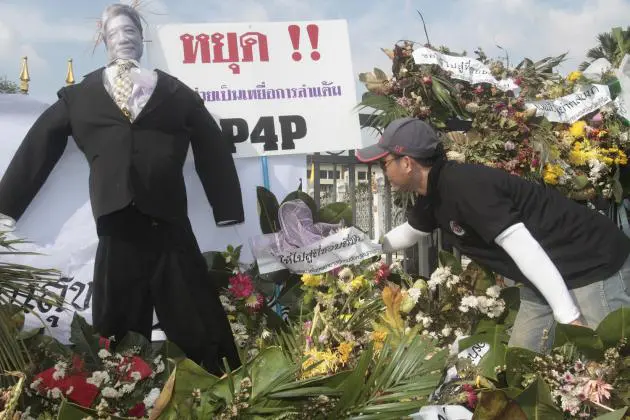


The mass resignation of doctors and specialists in protest over the new pay-for-performance (P4P) scheme is causing chaos in many rural hospitals.
According to the P4P scheme, a doctor’s salary and additional allowance are calculated according to the number of patients they see.
Since the Public Health Ministry initiated its plan to implement the P4P scheme on April 1, up to 148 doctors have quit rural hospitals. Some have moved to state hospitals in town, private hospitals or beauty clinics.
Yala’s Raman Hospital is one of the many that have put the P4P scheme in place, and appears to be suffering badly from it. So far, one specialist has asked hospital director Dr Rosalee Pattayabut for a transfer, which would leave the hospital with no obstetrician to provide treatment for pregnancy, childbirth and reproductive health.
“I’m wondering if I should let this obstetrician go or ask her to stay. If she moves, local people will have to travel 26 kilometres from Raman to seek obstetric care in town,” Rosalee said.
Previously, doctors and medical staff were paid additional allowances based on remoteness and the number of years in their job. This method was meant to retain medical workers in rural and remote areas where doctors are in short supply.
The P4P scheme, on the other hand, is aimed at improving medical workers’ efficiency at state hospitals nationwide. Unfortunately, it is making doctors in remote areas unsure about how much work they need to do to be eligible for the same amount of extra wages they were previously being paid.
“It’s difficult to find a specialist who is willing to work in a restive area. We were lucky to have an obstetrician to provide care for pregnant women, but now we’ve lost her,” Rosalee said.
The 60-bed Raman Hospital only eight has doctors now to serve 300 to 400 patients per day, over and above having to visit villages to provide primary care and health-promotion services.
Ever since the obstetrician submitted her request, other doctors appeared to be disheartened and have gone on leave.
“I promised to do what I can to protect them,” Rosalee said.
He is the only doctor on duty at the hospital for the time being.
Roi-Et’s 60-bed Selaphum Hospital is facing a similar problem, as doctors are seeking to quit and move to work in town-based hospitals.
“Some said they wanted to move because they were no longer motivated to work at a rural hospital,” Selaphum Hospital director Upathin Runguthaisiri said. The hospital only has seven general physicians and two specialists to treat up to 400 patients daily.
Rural hospitals are the key healthcare unit to screen patients before they are referred to provincial hospitals. Hence retaining medical workers is necessary, and to do that they need to be paid an additional allowance.
The number of rural doctors willing to give up their jobs is on the rise, leaving some hospitals with just two doctors on duty.
