
Are digital devices taking over our lives?


Play
The first message I saw on my Facebook timeline yesterday morning was one from my colleague, saying she was afraid of losing her smartphone.
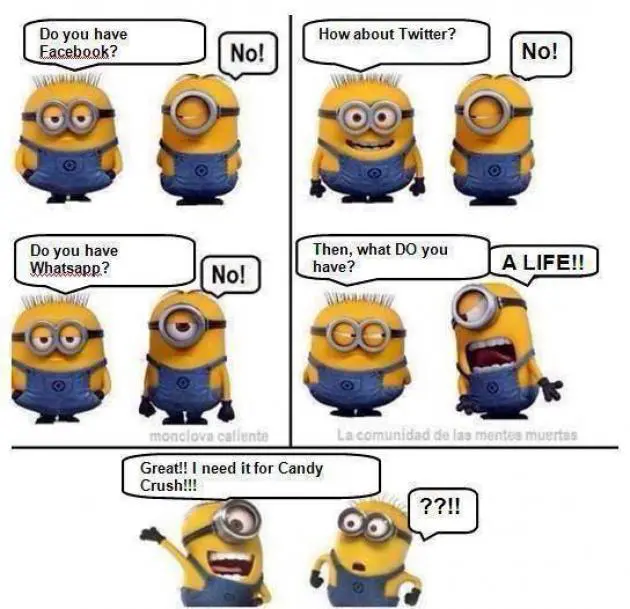
Yes, Facebook and Twitter is one of the first things I check in the morning – my excuse is that as a journalist I need to keep up with the news. Of course, a lot of people not in the news business also don’t want to miss any updates.
However, it might be time to ask ourselves how attached we are to our digital devices and if this attachment might put our lives in danger.
Late last month, the headlines in San Francisco were buzzing about a case where a gun-toting man on a crowded commuter train went unnoticed because everybody was so absorbed in their smart devices – that is until he shot a student who was getting off the train.
This should, perhaps, serve as a lesson and remind us that criminals will take advantage if you are distracted. This obsession with what’s going on in cyber space also seeps into our daily life, distracting us from our duties or stopping us from interacting with people in real life.
This obsession probably explains why “digital detox” is fast becoming an emerging trend. Some travel service providers have started promoting retreats and some hotels even offer a discount if guests agree to drop their smart devices off at the reception desk.
In fact, “digital detox” is now listed in the Oxford dictionary, which defines it as “a period of time during which a person refrains from using electronic devices; regarded as an opportunity to reduce stress or focus on social interaction in the physical world”.
The Bradford Regional Medical Centre in Pennsylvania last month announced that it would accept patients whose lives had gone out of control because they were so “wired up”. This programme is perhaps the first of its kind when it comes to accepting patients with such problems.
The Daily Mail quoted Dr Allen Frances, a psychiatrist with the Duke University, saying Internet addiction has yet to be established as a condition, while Santa Clara University psychology professor Thomas Plante told The Denver Post that solid clinical research on tech-induced anxiety is still in its early stages.
Still, he says, all you have to do is look at that person behind the wheel texting at the red light to see firsthand “how we are constantly using our phones to deal with boredom or to get an immediate answer to some trivial question. We’ve reached a point where it’s getting increasingly hard for people to have their mind at quiet.”
Perhaps, you might want to stop off at www.donothingfor2minutes.com, or download an app that helps you take a few minutes off. Many of these apps block access to social-media networks or disable the phone.
But wait, do we really need our digital devices to teach us how to take a break? Why don’t we just switch things off ourselves and go on a short walk or pick up a “newspaper”?
