
BOT chief backs bonds for rice scheme debt


Play
The Bank of Thailand (BOT) governor has agreed with the Ministry of Finance's decision to issue long-term bonds to cover debt worth Bt682 billion from the costly rice pledging scheme. But he said management of the amount of each offer and the spread betw
The central bank also commented that the ministry’s idea of introducing “nano-finance” might cause unnecessary complications and the ministry should make “life easier” by revising regulations of existing micro-finance schemes instead of launching a new loan scheme.
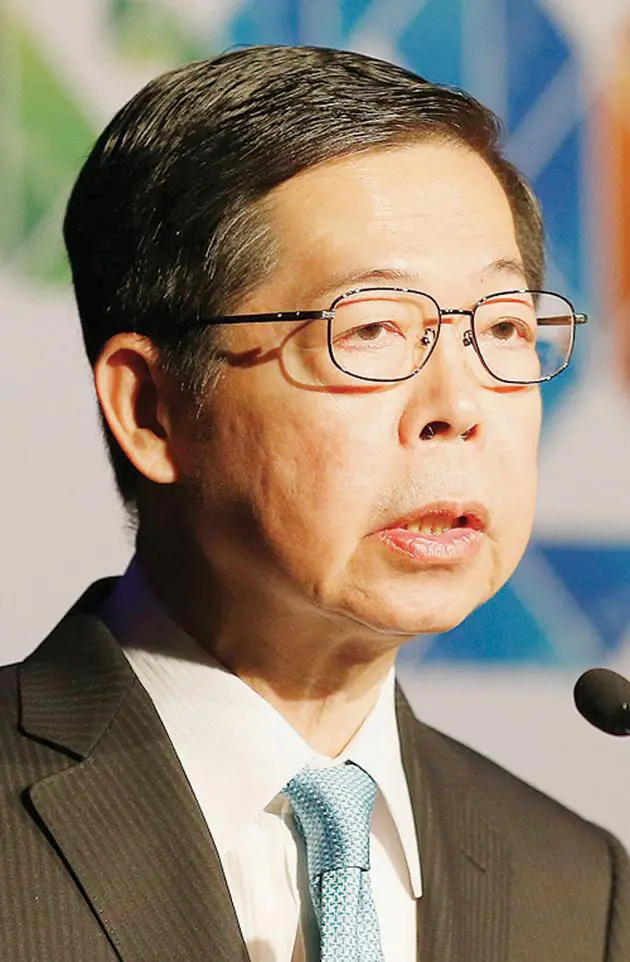
BOT Governor Prasarn Trairatvorakul told reporters at the central bank’s annual meeting with the press yesterday that “the rice bonds being issued to get rid of the huge short-term debt was the right thing to do in order to ease a burden that is naturally covered by the state”. But he said the spread of offerings between the maturity of each issue should be done with other debt burdens in mind – so it does not become an obstacle in repaying other debts or other state operations that require government debts, such as spending on infrastructure investments in the next seven to eight years.
“The offering of the bonds and the spread of the bonds between each maturity from three to 10 years should not be in a bunch, and it should not distort demand for capital or loans in the market, since if the offering is bunched up, the private sector would fight over the resources,” he said.
In terms of the interest rate for the bonds, Prasarn said if demand is more than the supply, the interest rate would be expensive, while the issuing of these bonds should not effect the economic situation, financial stability and the inflation rate. If it does, the central bank might have to do something to manage the situation.
But he said the BOT was not worried as the bank was confident about the Public Debt Management Office and the amount of debt was manageable.
In regard to “nano-finance”, the governor said the BOT would propose to the Finance Ministry that it revise its decision to introduce the programme, as regulations of the micro-finance scheme do not state a minimum loan amount and has a maximum limit of only Bt200,000 – which means the loan amount could be Bt100,000 or even Bt60,000. But one part of its regulations that should be changed was the part that states that the loan should only be for consumption and cannot be used to fund business operations.
Prasarn said the micro-finance move could be changed by the central bank right away, if needed, and the ministry should make “life easier” for themselves and concentrate on other matters that require more immediate attention instead of spending time introducing the new scheme.
Meanwhile, the increase in government investments next year and direct subsidies to rice and rubber farmers should not create problems for government’s liquidity, since the new expenditure amount was not “too much” and things were still “manageable” he said.
