
Doctors lose case against 'right to die' rule


Play
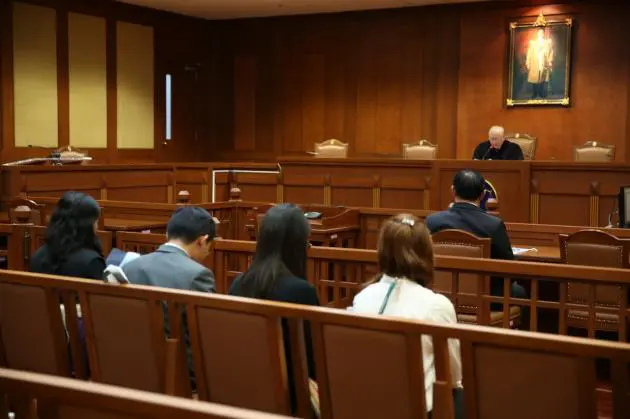
THE SUPREME Administrative Court yesterday dismissed a petition from some doctors opposing a ministerial regulation that, in effect, gives patients "the right to die".
The regulation, which came into effect during the term of the Yingluck Shinawatra-led government, recognises patients’ living wills, in which they can spell out their preferences for medical care at a time when they are unable to make decisions for themselves. In the living will, they can state what kind of treatments they would or would not want to receive when they reach a terminal stage. Doctors are legally required to comply with these wills.
The Supreme Court said yesterday that this regulation was in line with Article 38 of the 2007 Constitution, which enshrines people’s rights and liberties, as well as the World Medical Association’s announcement on patients’ rights.
“This regulation has already taken into account the opinions of professional bodies and various organisations,” the court added.
Dr Thapanawong Tang-uraiwan, Dr Cherdchoo Ariyasriwattana, and Dr Oraphan Methadilokkul have been trying to get this regulation nullified, as they believe it goes against the Medical Practice Act and is unethical.
They also pointed out that the regulation requires doctors to stop treating patients, when doctors have been taught to never stop saving a life.
The three doctors also said that many lives would be unnecessarily lost if this regulation is enforced.
“Nobody really knows when exactly a condition can become terminal,” the petition said.
Defendants in the case are former PM Yingluck and then-public health minister Wittaya Buranasiri, as the regulation was passed by their administration. None of the complainants showed up at court yesterday, though officials from the Public Health Ministry turned up as representatives of the defendants.
