
Myanmar, Thailand urged to protect Moken's basic rights


Play
The governments of Myanmar and Thailand are urged to immediately end discrimination and other rights abuses against the Moken, sea nomads who are among the few remaining hunter-gatherer populations in Southeast Asia, Human Rights Watch said in a new repor
The 25-page report “Stateless at Sea: The Moken of Myanmarand Thailand” was released yesterday in Bangkok, describing in words and photographs serious violations of the rights of the Moken by state authorities – particularly the Myanmar navy – including extortion, bribery, arbitrary arrest, and confiscation of property. Human Rights Watch also examines tightening immigration and maritime conservation laws that threaten their freedom of movement and traditional lifestyle. Most Moken are stateless, making them extremely vulnerable to human rights abuse and depriving them of access to medical care, education, and employment opportunities.
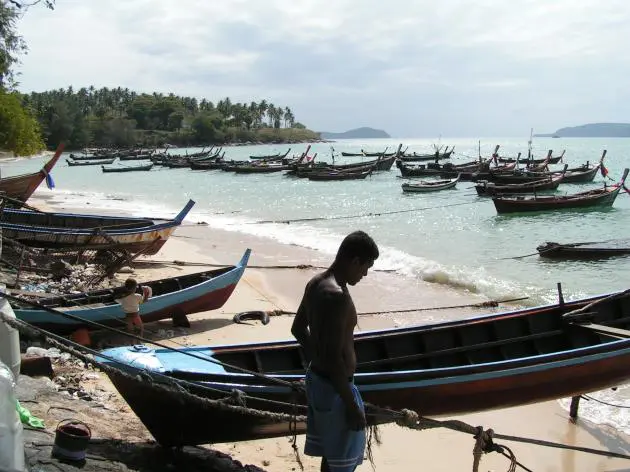
It estimated that approximately 3,000 Moken live mostly on small boats within the Mergui archipelago along Myanmar’s southern coast, while another 800 are settled in Thailand.
“Far from the idyllic image that tourism promotes of the Moken people, these sea nomads face increasing restrictions and attacks at sea, and systematic discrimination on land,” said Brad Adams, Asia director at Human Rights Watch. “By effectively denying them citizenship, the Thai and Burmese governments make the Moken easy targets for exploitation and other threats to their very existence.”
The rights group noted that though listed as one of the 135 recognised “ethnic races” of Myanmar under the 1982 Citizenship Act, but the Moken still sees difficulties in obtaining national ID cards. The issuance has been inconsistent, hindering their travel within the country, it said.
It urged the government to provide national ID cards to all who are entitled; to ensure birth registration documents are issued to all Moken children; and to provide the Moken equal access to social welfare, education, health, and other services provided to other Myanmar citizens. The Moken have also suffered from violent attacks and seizure of property by the Myanmar navy.
“[The navy] point their guns at us so we just jump into the water. If we show them that we have money then sometimes they stop bothering us and don’t take anything else. If we decide to stay on an island, or fish around it, then we have to pay the island head – and these are also Myanmar soldiers,” said a Moken man named Gamat from Dung Island, Myanmar.
“The Burmese soldiers sometimes shoot at our boat while we are fishing. They have done this to me many times. My older brother was shot by a Burmese navy officer while fishing with other Moken and died. Those other Moken who were on the boat just jumped into the water and swam away,” Gamat added.
A Moken woman from Ply Island, Thailand, said she has met the Myanmar navy men and they always asked for money or food.
The rights group also noted that in Thailand, the Moken’s ability to pursue their traditional livelihoods is limited by marine conservation regulations, such as the ban on gathering sea products for trade and chopping trees to build or repair boats. Thai middlemen exploit Moken vulnerability in order to persuade them to undertake illegal and dangerous work, such as dynamite fishing. On land the Moken also face forced displacement, since they own no title to the traditional shore areas where they live for part of the year.
Thailand is urged to review all applications from Moken for citizenship and grant those with legitimate claims. The authorities should also end threats of forced resettlement of Moken populations, create a complaints mechanism that Moken can easily access when their rights are violated, and support access to culturally suitable education for Moken children and lawful work opportunities.
Both governments are urged to protect and promote their rights, including providing a pathway to citizenship and protecting them from economic exploitation that threatens their way of life. They should ensure that the Moken, as people indigenous to the Mergui archipelago and the Andaman sea coast, are treated in accordance with the United Nations Declaration on the Rights of Indigenous Peoples.
“Burma and Thailand need to recognise and respect the rights of the Moken people to live as they always have,” Adams said. “Protecting them from abuses, ensuring a path to citizenship, and providing access to basic services is best way forward for these indigenous and too often exploited people.”
