
EU condemns media intimidation, violence


Play
The European Union condemns the increasing level of intimidation and violence that journalists, human rights defenders, media actors and other individuals face in many countries across the world when exercising the right to freedom of opinion and expressi
In the declaration to mark World Press Freedom Day on May 3, EU High Representative Federica Mogherini said the EU is determined to fight against laws or practices that impose censorship, encourage self-censorship or provide legal penalties, including criminal, financial and administrative sanctions, misuse of market powers and poor economic conditions.
"The EU reaffirms its determination to promote and support, freedoms of opinion and expression as rights to be exercised by everyone everywhere, based on the principles of equality, nondiscrimination and universality – through any media and regardless of frontiers," she said.
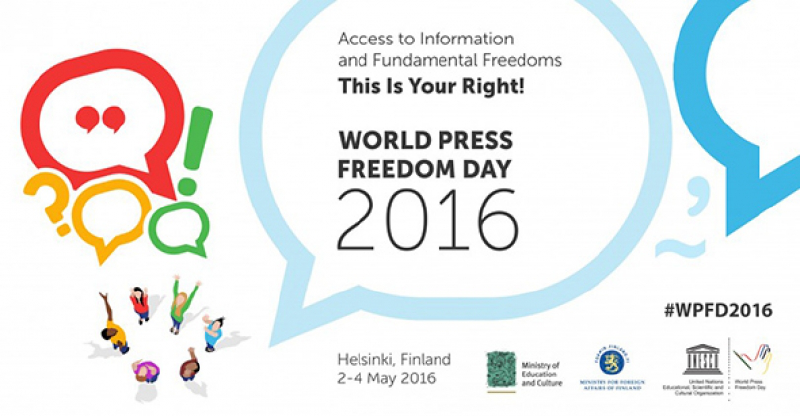
The United Nations is hosting an event in Helsinki, Finland to mark the day. This year's theme is: Access to Information and Fundamental Freedoms - This Is Your Right!
On this occasion, UN Secretary-General Ban Ki-moon said: "On this World Press Freedom Day, I urge all governments, politicians, businesses and citizens to commit to nurturing and protecting an independent, free media. Without this fundamental right, people are less free and less empowered. With it, we can work together for a world of dignity and opportunity for all."
In April, EU ambassadors voiced concern over Thailand's restrictions on the freedom of speech.
The ambassadors emphasised that the use of attitude adjustment goes against the principles of freedom of expression and opinion. The recent announcement that this tool will continue to be used, and even for longer periods, against those expressing a dissenting view is an alarming development.
The EU Ambassadors expressed concern about the recent Order 13/2559 of the Thai military government. The order grants military from the rank of sub-lieutenant broad powers to conduct inquiries, and proceed with arrests and detentions without a court warrant for offences which are broad and ill-defined. Granting powers of the police and the judiciary to military personnel increases the risk of arbitrary detentions, breaches the rule of law and deprives citizens of essential legal protection and due judicial process.
In her declaration, Mogherrini noted that the right to freedom of opinion and expression includes freedom to seek, receive and impart information. It is a key component of democratic governance and development. People need to be fully informed to be able to form an opinion and participate in decision-making processes that affect their lives. Freedom of information also contributes to better governance as it enhances transparency in public affairs and can be used as a tool to make governments accountable for their actions, in particular when access to information results in the exposure of human rights violations or corruption practices.
Ensuring access to information can serve to promote justice and reparation, in particular after periods of grave violations of human rights.
