
Gambia's longtime ruler refuses to bow out, demands fresh polls
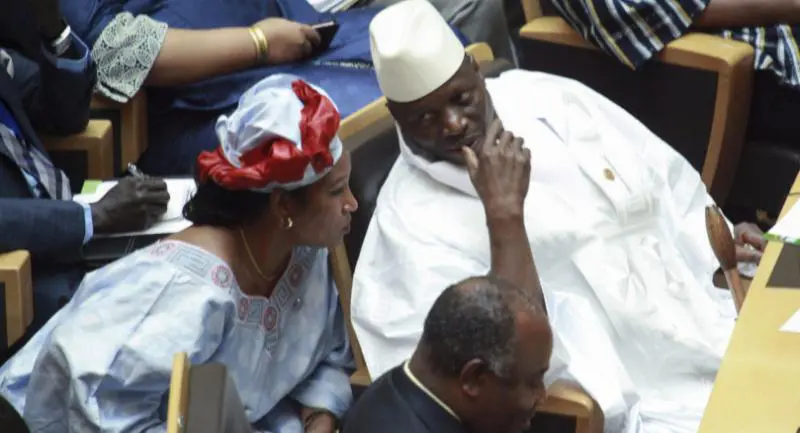


Gambia's leader of some 22 years Yahya Jammeh announced late Friday he would no longer accept defeat in recent elections, plunging the West African country into turmoil with a demand for fresh polls.
Investigations into the December 1 vote have revealed a string of "unacceptable errors" on the part of electoral authorities, Jammeh said in a speech broadcast on state television, adding that he would no longer concede to opponent Adama Barrow.
"In the same way that I accepted the results faithfully believing that the Independent Electoral Commission was independent and honest and reliable, I hereby reject the results in totality," he said.
"Let me repeat: I will not accept the results based on what has happened," he added, warning Gambians not to take to the streets to protest his decision.
Soldiers were seen placing sandbags in strategic locations across the capital Banjul Friday, a development which triggered widespread unease among the already-spooked population, who had been panic-buying food before the vote due to fear of unrest.
As the military deployed onto the streets of the tiny nation, the US Embassy in Banjul urged the army to continue to show "respect for the rule of law and the outcome of the presidential election."
"The Gambian people have made a clear choice for change and a new start," the embassy added.
Latest official figures gave Barrow 43.29 percent of the votes in the presidential election, while Jammeh took 39.64 percent. The turnout was at 59 percent.
Opposition spokeswoman Isatou Touray criticised on social media a "violation of democracy" and called for people to "remain calm, lucid, vigilant and not retreat."
On December 2, Jammeh made a magnanimous concession speech on television and promised -- to general surprise -- a peaceful and swift handover of power to President-elect Barrow, sparking celebrations in the country.
But on Friday he pointed to errors which awarded victory to his opponent Adama Barrow with a slimmer margin than initially announced, claiming that numerous voters had not been able to cast their ballots.
"This is the most dubious election we ever had in the history of this country," he said.
"We will go back to the polls because I want to make sure every Gambian votes under an electoral commission that is impartial, independent, neutral and free from foreign influence," he said.
