
Reform controversy: some background


Thailand's most updated English news website, newspaper english, breaking news : The Nation
WHAT’S IS THE MEDIA REGULATION ABOUT? HOW IS THE REFORM BODY DEALING WITH IT?
The National Reform Steering Assembly (NRSA) will deliberate on the “Protection of Media Rights and Freedom, and Promotion of Ethics and Professional Standards” bill today. The bill is a part of efforts to reform the media.
The NRSA’s media reform committee has stated that there are issues with the media’s social responsibility, and self-regulation has not been effective. So the media regulatory bill is needed in order to rectify the failing media.
The rectification, according to the draft bill, will set a code of ethics and professional standards and institute a licensing system.
HOW IS THE MEDIA RESPONDING TO THE REFORM?
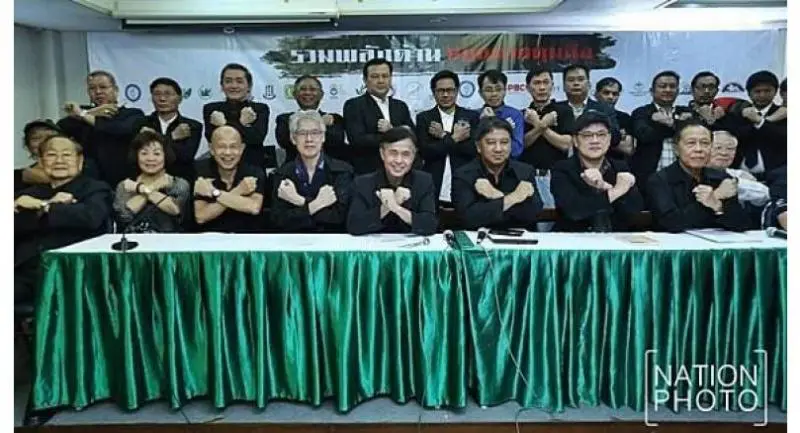
The media agree on the need for reform, but strongly oppose regulation by a professional council under a licensing system. They reject the licensing system completely as it stipulates a heavy penalty of up to Bt60,000 fine and up to three years in jail if journalists don’t have licences.
The media views the professional council, which would include two permanent secretaries from the Prime Minister’s Office and the Ministry of Culture, as opening the way for state interference in media affairs. They argue that the council would undermine the media’s role in scrutinising the state, as it held the power to revoke professional licences.
Ultimately, when press freedom is limited, people’s rights to access information is undermined, too, they say.
They insist that self-regulation and social sanctions are sufficient mechanisms to regulate the media.
WHAT IS THE PUBLIC OPINION ON THE ISSUE?
As seen from comments on social media, many members of the public have expressed disappointment over the quality of media coverage and agree that it should be regulated by the law.
Some people point out that some media have been politically partisan. They also complain that the media often report inappropriate news such as the broadcast of live suicides.
