
Dry zone may face food crisis due to climate change


Play
The arid zone in the central Myanmar is likely to face a food crisis in coming three years if the current climate pattern continues, said Dr Ohmar Khaing, project coordinator of the Food Security Working Group at a talk on "Assessing the Vulnerability of
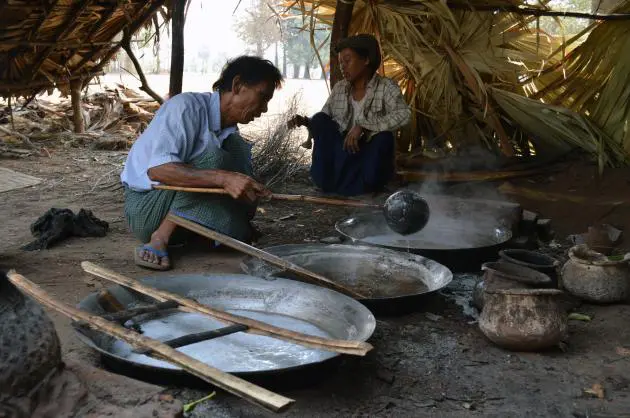
“The dry zone may face a food crisis if the current climate change consecutively goes on for three years. Even now farmers have to face a loss of sesame plantations due to the lack of rain water. But some regions in the dry zone see a good sesame harvest while other regions have a bad harvest. So the government should extend a helping hand to those who suffer the losses in cooperation with the NGOs and the UN. It needs to rebalance the opportunities of farmers there. For instance, it needs to seek the ways to help local people in exporting jaggery and handicrafts during the off season. We are to make arrangements for them when their agricultural businesses are not doing well," said the coordinator.
The dry zone’s average population density is 1.7 percent higher than that in the other regions of the country. The paddy growers account for 22 percent of total population. The 29 percent of farmers has an easy access to the irrigation system while the remaining 90 percent has to rely on the rain water. Beans and pulses and sesame are the major products of the arid zone.
Farmers there are mired in the poverty due to climate change, deforestation and debt crisis. In addition, 40 in 100 households are facing food insufficiency and 27 percent of children are facing malnutrition. The debt is the major problem of the dry zone, according to the Mercy Corps’ report released on August 25. The talk is jointly organized by the Food Security Working Group and the Mercy Corps.
