
Catering |to the rich


Play
Forum examines the changing face |of the luxury goods market in Asia
More than 30 years ago, the world’s luxury brands catered to the affluent of Europe and the US. Now they are looking to Asia and reaping the very profitable benefits.
Today Hong Kong has more Hermes and Gucci stores than Paris and the luxury market in China has risen to some 28 per cent of global sales.
To try and explain the world of luxury, its markets and consumer behaviour, Luxellence Centre, a leading institute in luxury brand management, hosted a forum last week dubbed “Inside Asia’s Luxury Market”.
Centre director Dr Thitiporn Sanguanpiyapan points out that the luxury market has changed considerably over the years, with its definition and value varying according to the country and the consumer.
“In Thailand, the value of luxury products is transforming from ‘having’ to ‘experiencing,’” she says. “The affluent no longer purchase products based simply on quality or status but because they want to experience the brands’ legacies, stories, inspirations and so on. They are becoming part of the brands.”
The brands are also having to adapt to meet the demands of this new Asian centre, which is home to some of the biggest spenders in the world.
“The brands’ principals have to think about changing their designs to suit customers. China is an enormous market but eyeglasses designed for Westerners don’t look the same on the Chinese face,” says Dr Chatchai Noraseththaporn, vice managing director of Central Marketing Group’s human resource management.
Social media and its effect on potential buyers are also being closely monitored.. “Social media are very important channels in creating new accessibility. Many consumers prefer to do online research to gather information about products and talk to their friends on social media, rather than look at the advertisements. The way brands promote themselves needs to further evolve” Thitiporn adds.
Suchada Supakarn, who heads up My Care Research and Business Strategic Development, recently undertook a study of affluent consumers and their behaviour and says that only about 10 per cent of Thais can really be counted as belonging to the affluent, which she defines as having a personal monthly income of more than Bt80,000.
“My research shows that when women consumers are depressed, they either eat or go shopping, Women may say they never have anything to wear but they still own an average of 437 personal care items. They have the power of the purse,” says Suchada.
“The affluent females are normally executives, entrepreneurs and housewives. They prefer pricey items but tend to stick to a brand they know and trust. They purchase quality, whether it’s clothes, accessories or cosmetics but they are not frequent shoppers. They are smart, rational women, often at the top of their fields. So the marketing and sales staff from luxury brand cannot approach them using a simple strategy,” Suchada says.
Chatchai agrees, pointing out that competition is high to win the hearts of the small but powerful affluent group. Since preferences are usually entrenched, bringing them over to a rival brand is not easy. And finding the right people to work in the luxury market sphere is even more difficult, he adds.
“Luxury brands require that their staff love and show loyalty to the brands. Recruits must know the history of the brand and feel a real passion for it,” he says. “The luxury market is increasing steadily but the human resources for this field are decreasing. Young people these days have lots of choice. They prefer to change jobs after just a few years, unlike the older generation who tended to stay with a company for life.
“When we do manage to recruit good and smart employees, it is our duty to take care of them in every way. We should treat them as an asset especially for the complicated high-end brands, which require everything to be under control from the ambience in the boutique to the sales staff. Communicating about luxury brands needs negotiation skills. That’s why it is very important to understand this luxury market within its bigger picture and know how to connect with affluent consumers. This becomes even more important as we head towards the opening of the Asean Economic community. Distributors of brands need to set up a strategy for this,” he notes.
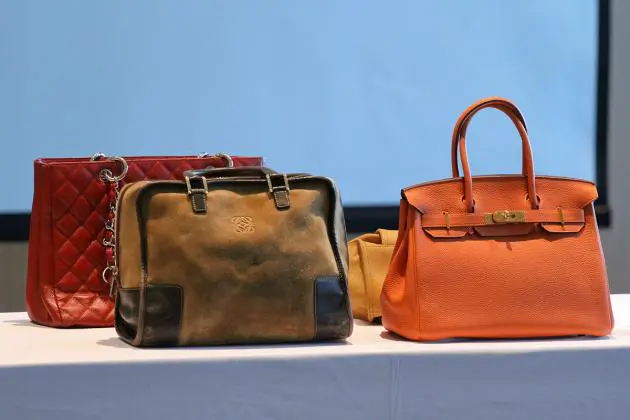
One of the successful providers of luxury services is Rananthorn Polchart’s My Bag Spa Thailand.
“In order to restore your bag to a new condition, we must understand the problems of each individual bag. For that reason, we have specialists who can identify the root causes and recommend the services,” Rananthorn says. “We do not accept counterfeit products, or change counterfeit spare parts, and we will not apply any colour restoration that is not available in the market for such bag models.
“Any business involved in this market has to comprehend this point in order to win the hearts of these sophisticated customers.”
