
Thai heritage arts take global stage in Frankfurt and Seoul as soft power push gains pace
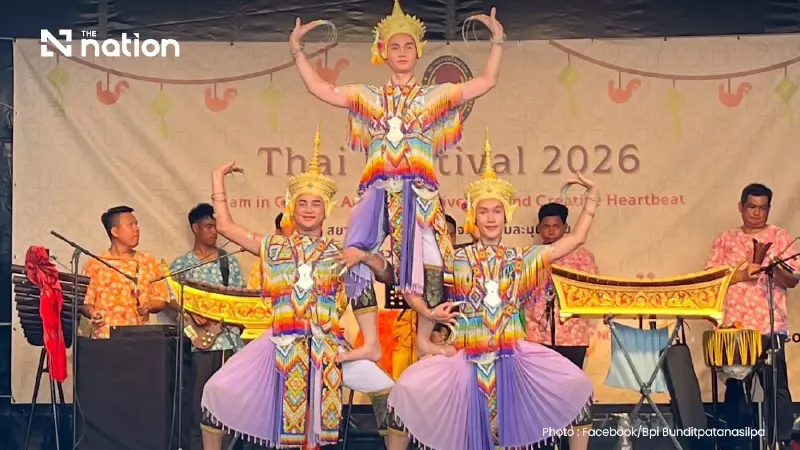


Thailand showcases Khon, Nora, Songkran traditions and Thai classical dance in Germany and South Korea as part of a wider cultural soft-power drive led by the Culture Ministry.
Thailand’s world heritage-level performing arts have taken centre stage in Europe and South Korea, as Khon, Nora, Songkran traditions and Thai classical dance were showcased in Frankfurt and Seoul as part of a wider push to promote Thai cultural soft power overseas.
The overseas showcases were driven by the Bunditpatanasilpa Institute, in cooperation with Sabeeda Thaised, Minister of Culture, as Thailand seeks to raise the international profile of its cultural capital and strengthen the country’s image as a creative cultural nation.
Thai culture promoted on major international stages
Key performances were presented at the Thai Festival 2026 in Frankfurt, Germany, from June 19–21, under the project “Thai Songkran, Celebrated Across the World”. The festival was held at Roßmarkt in central Frankfurt and featured Thai cultural performances, Thai textiles, food, music and other activities promoting Thai identity.

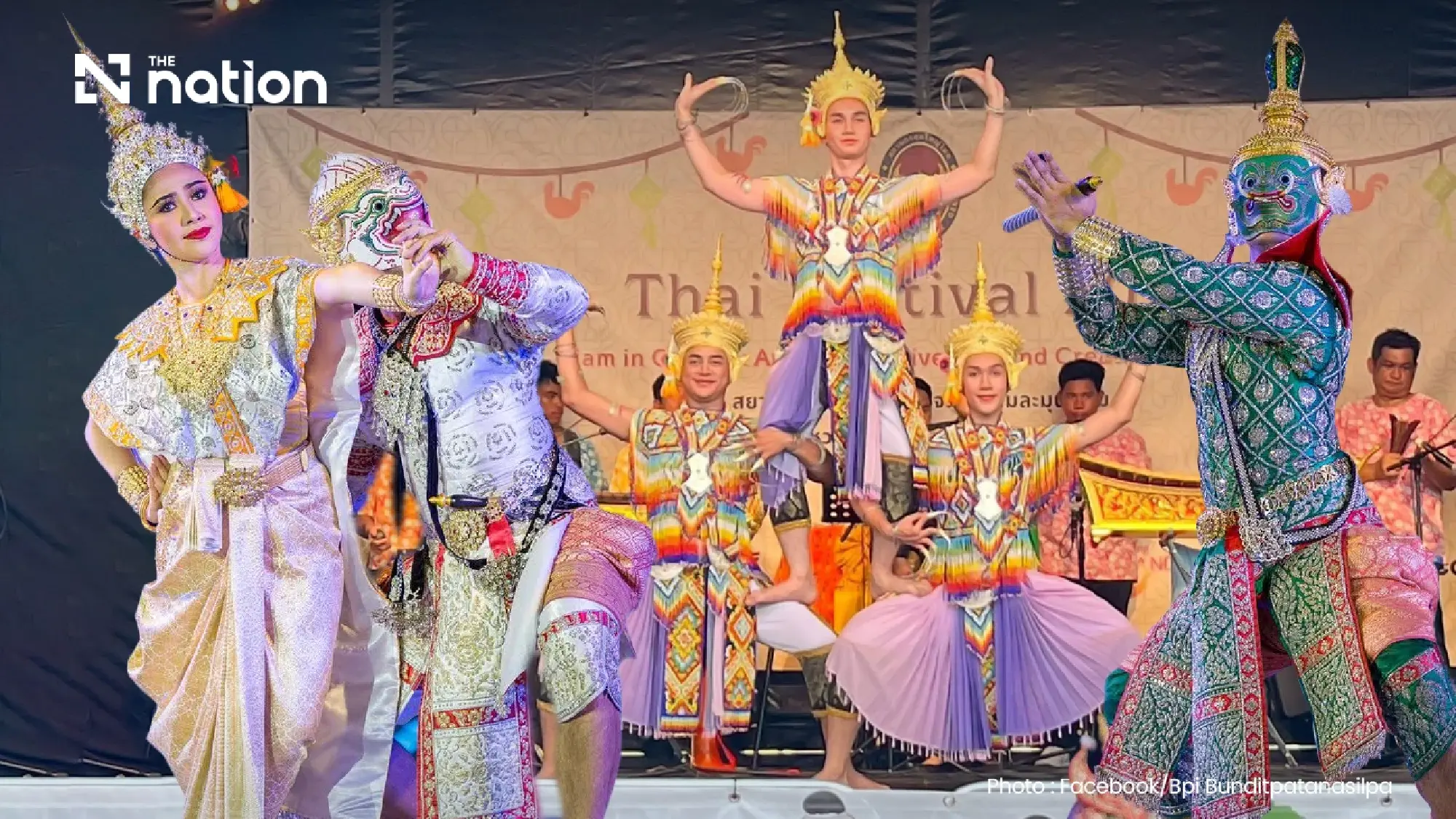
The Frankfurt programme highlighted some of Thailand’s most recognisable performing arts and traditions, including Khon, Nora, Songkran-related activities, a cultural procession and a Buddha image bathing ceremony.
The performances were designed to present Thai identity through both refined classical arts and living traditions, giving international audiences a closer view of the country’s cultural heritage.
Khon, Nora and Songkran reinforce Thailand’s cultural credentials
The showcase drew on cultural elements that already carry international recognition. UNESCO lists Khon masked dance drama, Nora dance drama in southern Thailand and Songkran in Thailand, traditional Thai New Year festival, among Thailand’s intangible cultural heritage elements.

Alongside Khon and Nora, the performances included dance presentations featuring Thai royal-endorsed traditional dress, Thai classical dance and traditional music.
Contemporary performances representing ways of life from Thailand’s four regions were also staged, broadening the presentation from courtly and classical traditions to regional culture and modern creativity.
Seoul festival extends soft-power reach in Asia
The Bunditpatanasilpa Institute’s delegation also joined the 11th Sawasdee Seoul Thai Festival 2026, held at Cheonggye Plaza in Seoul from June 20–21.

The Royal Thai Embassy in Seoul described the festival as a two-day Thai experience featuring art and culture, food, innovation and Thai ways of life, under the theme “Creative Life & Creative Heartbeat”.
The Seoul event provided another major platform for Thailand to present its cultural identity to Korean and international audiences, while strengthening people-to-people ties through performance, food, creativity and contemporary Thai culture.

Culture positioned as economic soft power
The Ministry of Culture has placed cultural soft power at the centre of its policy direction, with an emphasis on using Thai cultural assets to support the creative economy, generate income and enhance Thailand’s competitiveness on the global stage.
The success of the Frankfurt and Seoul showcases reflects Thailand’s broader effort to turn heritage into international influence, linking traditional arts with tourism, creative industries and national branding.
By taking Khon, Nora, Songkran traditions and Thai classical performance to prominent overseas venues, Thailand is seeking not only to preserve its cultural legacy, but also to project it as a living soft-power asset for the global era.


