
Japan’s restaurant sector prepares for wider consumption tax gap


A two-year reduction will leave dine-in meals taxed at 10%, prompting restaurant changes, urgent till upgrades and calls for farmer support.
- A new tax policy will create a nine-percentage-point gap, with meals eaten inside restaurants taxed at 10% while takeaway food will be taxed at 1%.
- In response, restaurant chains are strengthening their takeaway and delivery services and considering adding takeaway-exclusive menu items.
- Restaurant operators are concerned that the significant tax difference will drive customers away from dining in, leading to a loss of business.
- An industry group is urging the government to bolster demand with measures like premium dining vouchers to counteract the negative effects.
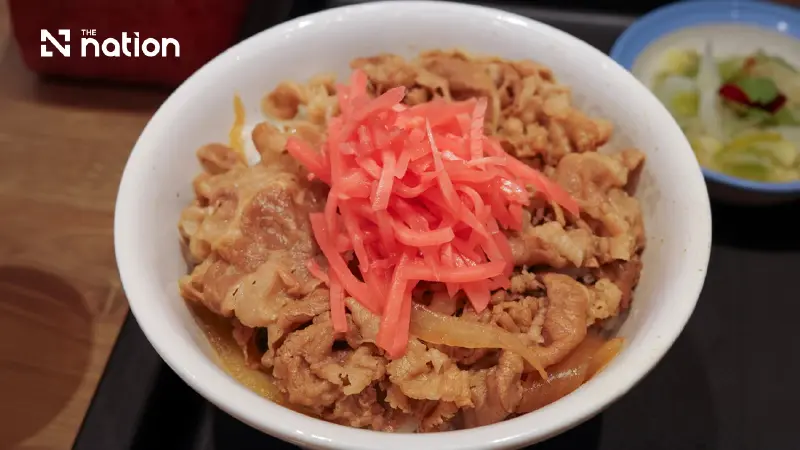
Zensho Holdings Co., operator of Sukiya gyudon beef-on-rice restaurants and other chains, plans to strengthen its takeaway and delivery services as Japan’s restaurant sector prepares for a far wider tax divide between meals eaten in and food consumed elsewhere.
“We are ready to accept any circumstances,” Chief Financial Officer Kiyohiko Niwa said.
Royal Host is also examining whether to introduce menu items offered only for takeaway, according to Masataka Abe, president of its parent company, Royal Holdings Co.
The change will lower the consumption tax on food from 8% to 1% for two years beginning next April, while meals eaten inside restaurants will remain taxed at 10%.
As a result, the gap between dine-in orders and precooked food sold by supermarkets and convenience stores will increase from two to nine percentage points.
Restaurant operators are therefore poised to add more bento boxes and other prepared dishes to their takeaway ranges, although they fear customers may cut back on dining out.
Warning that the policy could drive customers away, Miki Watanabe, chairman and CEO of Watami Co., which operates Japanese-style izakaya pubs, said: “This is extremely difficult.
Restaurants will lose customers.”
A restaurant industry group has meanwhile urged the government to bolster demand, including through premium dining vouchers.
Shops face a different deadline: their cash-register systems must be adjusted to apply the new rate.
An official at a major register maker said revising a system and introducing it across stores generally takes about six months.
“We will make all-out efforts to avoid any confusion for consumers,” said Shinichiro Nakamura, an executive at the All Japan Supermarket Association.
Small-scale farmers are also expected to receive less income.
Those recording annual sales of 10 million yen or less are exempt from tax payments and may retain as revenue the consumption tax paid by buyers, leaving them with a smaller amount once the rate is reduced.
The government is considering assistance for these farmers and restaurant operators.
Yoshito Shinno, chief of the Central Union of Agricultural Cooperatives, or JA-Zenchu, said: “We hope measures will be taken to help resolve the problems.”

[Copyright The Jiji Press, Ltd.]
