
Donkoi Model turns royal guidance into jobs and modern textiles
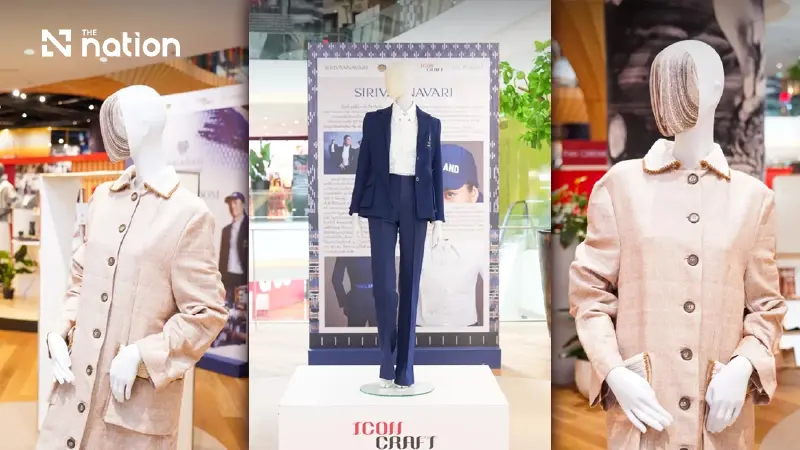


The Donkoi Model, inspired by Princess Sirivannavari’s guidance, turns Sakon Nakhon weaving into modern fashion, jobs and Asian Games attire.
- The Donkoi Model was established following guidance from HRH Princess Sirivannavari Nariratana Rajakanya to help modernise traditional Thai textiles.
- This initiative creates jobs and economic opportunities for local weavers by transforming their handwoven, indigo-dyed fabrics into contemporary fashion and lifestyle products.
- A key achievement is the selection of Donkoi fabrics for the ceremonial outfits of Thailand's athletes at the 2026 Asian Games, showcasing the modern application of the craft.
The Donkoi Model is showing how generations of Thai textile knowledge can be transformed into contemporary designs, creating new economic opportunities for local communities while taking traditional craftsmanship to a wider Asian audience.
The project’s achievements are being showcased in the exhibition “Donkoi Model: FROM LOCAL WISDOM TO ASIAN PRIDE”, running at ICONCRAFT on the fourth floor of ICONSIAM in Bangkok until September 22.
Presented by ICONCRAFT in collaboration with the SIRIVANNAVARI brand, the Community Development Department under the Ministry of Interior and the “Thai Fabrics, Fun to Wear” project, the exhibition traces the development of naturally dyed, handwoven indigo cotton from the Ban Don Koi community in Phanna Nikhom district, Sakon Nakhon province.
Visitors can follow the process from traditional textile knowledge, natural indigo dyeing and handweaving through to the transformation of the fabrics into contemporary fashion and lifestyle products.

Royal guidance drives community development
A major turning point came in 2020, when Her Royal Highness Princess Sirivannavari Nariratana Rajakanya visited the Ban Don Koi indigo weaving group and observed its textile production process.
The Princess offered guidance on developing Thai textiles through improvements in design, fabric quality, patterns, colours and production standards, helping local fabrics meet contemporary needs while increasing their economic value.

Her guidance helped shape the Donkoi Model and the Ban Don Koi Indigo-Dyed Fabric Learning Centre, which combine the preservation of traditional knowledge with product development, job creation and efforts to raise community incomes.
The Community Development Department has also supported the development of products towards Premium One Tambon One Product (OTOP) standards while helping bring Thai textiles to a broader market.
The model therefore extends beyond conserving traditional fabrics. It brings together the skills of local weavers with contemporary design expertise and the demands of modern consumers.

From community weaving to the Asian Games stage
Patterns, fabric textures, colours and applications have been developed further to help locally woven textiles reach consumers beyond traditional community markets.
Another milestone is the use of Donkoi fabrics in contemporary fashion, including ceremonial outfits for Thailand’s athletes to wear at the opening ceremony of the Asian Games 2026 in Japan on September 19.
The appearance of the fabrics at the Games will place Sakon Nakhon craftsmanship on a major Asian stage, demonstrating how local textile traditions can be adapted for contemporary use.

Sustainable design broadens the Donkoi story
The exhibition also presents fashion and lifestyle products made from Donkoi textiles, including work by Kramin, a lifestyle fashion brand that combines handicrafts from communities across Thailand with designs created for modern urban living.
Kramin focuses on natural fibres and environmentally conscious dyeing processes, including the use of dye-producing plants grown through crop rotation.
Among the local textiles developed into Kramin products are fabrics from the Ban Phak Kham Phu Bark-Dyed Cotton Weaving Group in Sakon Nakhon, one of the producer groups participating in the Donkoi Model.

From local identity to new markets
The Donkoi Model illustrates how Thai woven textiles can evolve from community products into design-led goods with the potential to reach new markets, combining local identity and traditional knowledge with contemporary design, improved quality and higher production standards.
The “Donkoi Model: FROM LOCAL WISDOM TO ASIAN PRIDE” exhibition runs until September 22 at ICONCRAFT on the fourth floor of ICONSIAM. Visitors can view and purchase products made from Donkoi textiles.
For more information, call 1338 or visit ICONCRAFT’s Facebook page.
