
Anne Carson wins 2026 Nobel Prize in Literature for inventive work
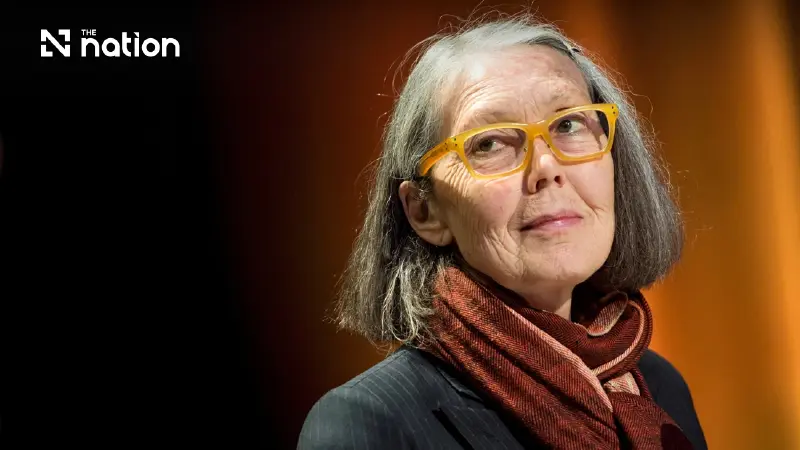


Canadian poet Anne Carson wins the 2026 Nobel Prize in Literature for genre-defying work shaped by classical Greek writing and literary experimentation.
Canadian poet, writer and translator Anne Carson has won the 2026 Nobel Prize in Literature for a body of work that breaks conventional literary boundaries and brings classical traditions into new forms of contemporary writing.
The Swedish Academy announced the award on October 8, 2026, recognising the 76-year-old for what it described as her “bold and inventive oeuvre” and her playful dialogue with classical literature.
The prize is worth 12 million Swedish kronor, or about US$1.2 million.

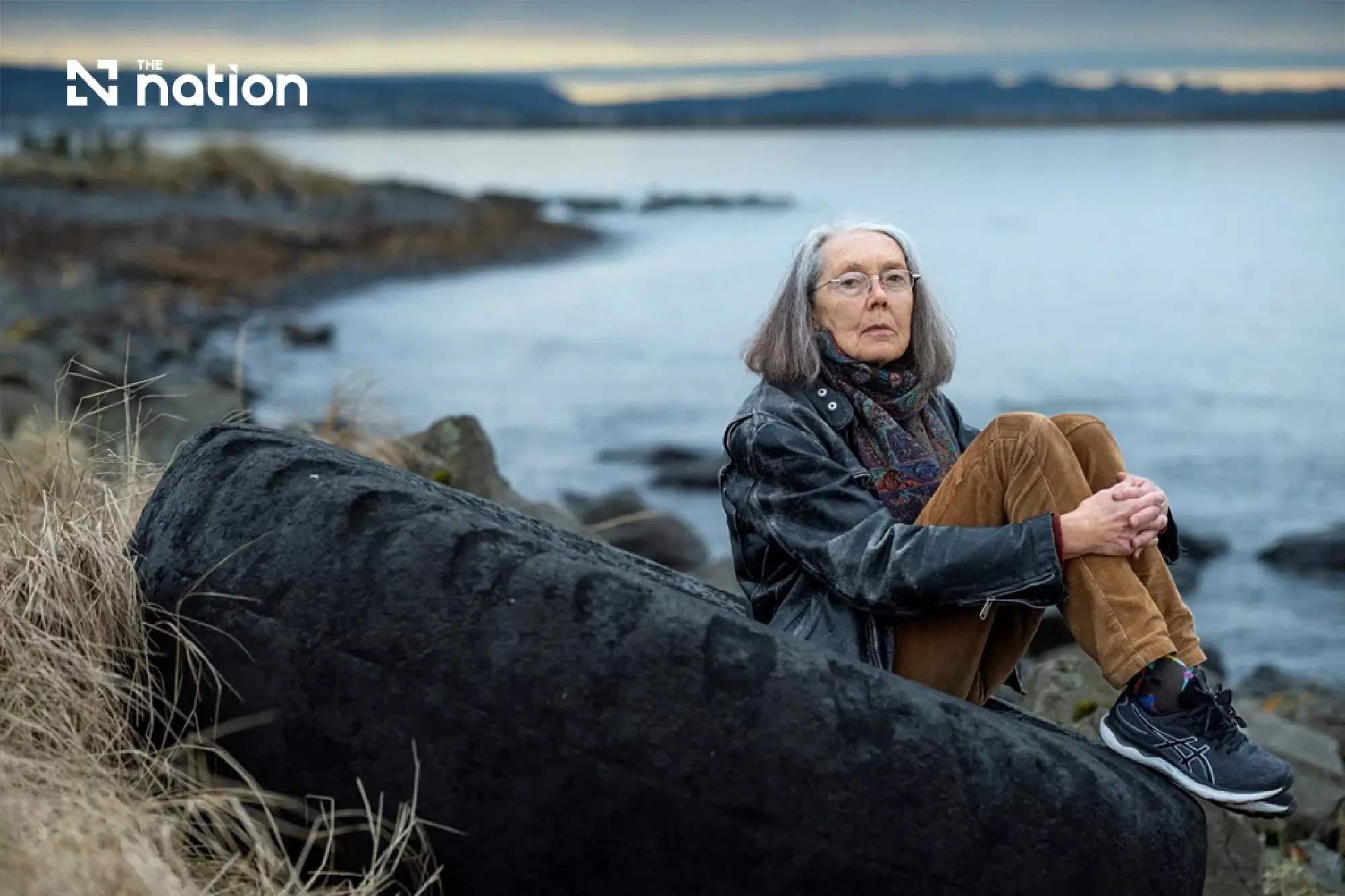
Carson, who was born in Toronto and holds both Canadian and Icelandic citizenship, was in Iceland when she received the news.
Ingrid Carlberg, Permanent Secretary of the Swedish Academy, said Carson had been deeply surprised by the call. She recalled that the writer had only enough time to say she was in Iceland “listening to the wind”.
Carson later responded characteristically to Icelandic broadcaster RÚV when asked how she felt about winning.
“Crazy, I think they’re all crazy,” she said, joking that at least her books would now have a Nobel sticker on the cover.

A writer who defies literary categories
Carson is known for combining poetry, prose, dialogue, translation, literary criticism and performance writing in works that resist conventional classification.
Ancient Greek literature has been a central influence throughout her career, both as a scholar and translator. Rather than simply retelling classical stories, Carson frequently takes ancient characters and ideas into unexpected settings to explore love, desire, identity and human relationships.
Swedish novelist and Nobel Committee member Steve Sem-Sandberg said conventional literary genres were largely useful to booksellers deciding where to place a title.
Carson, he suggested, belongs on “a shelf of her own”.
The Swedish Academy said much of her writing emerged from the meeting point between a philologist’s fascination with words and a poet’s search for new meaning.
It also highlighted her interest in etymology and praised her translations from Classical Greek as literary works in their own right.

‘Autobiography of Red’ reimagines Greek myth
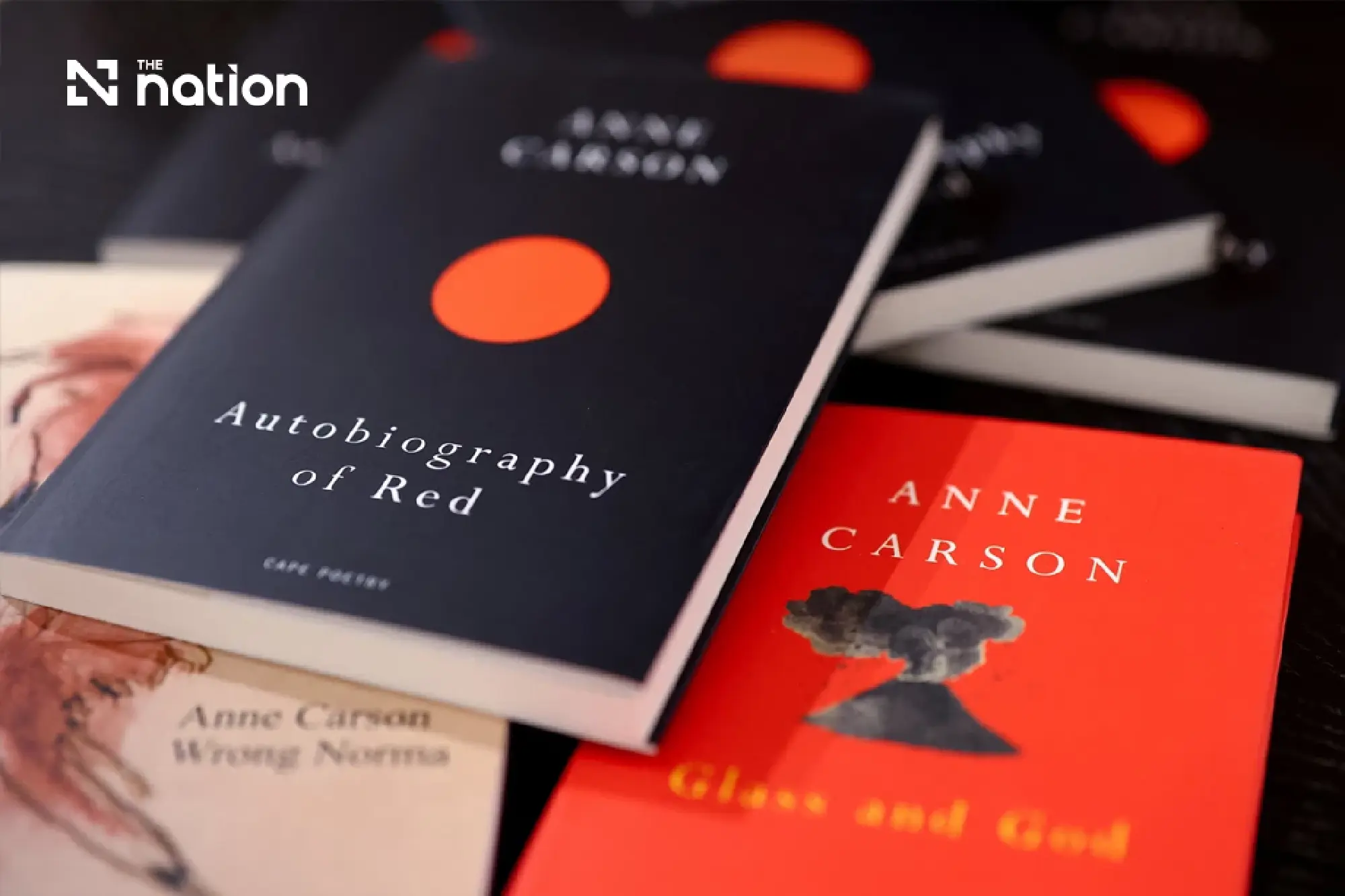
Among Carson’s best-known works is Autobiography of Red, published in 1998.
The verse novel reworks an ancient Greek myth through a contemporary story of love and desire, examining what happens when someone falls in love with a person capable of ultimately destroying them.
The Swedish Academy cited the book as an example of Carson’s ability to bring the classical literary tradition into the present.
Her experimentation is also evident in Norma Jeane Baker of Troy, published in 2019, which brings together Helen of Troy from Euripides’ Helen and Hollywood star Marilyn Monroe.
The work uses figures from antiquity and modern popular culture to explore ideas surrounding beauty, fame and the representation of women.

Seven years reading Proust inspires another book
Carson’s influences extend beyond the ancient world.
She spent seven years reading Marcel Proust’s In Search of Lost Time and told Canada’s CBC Radio One in 2016 that finishing it left her experiencing something resembling withdrawal.
That experience led her to write The Albertine Workout, based on Albertine, one of the loves of Marcel, Proust’s narrator.
Carson described the world after completing Proust as continuing normally while somehow appearing greyer, illustrating the way she sees literature as an experience capable of changing how a reader perceives life.

Boxing after Parkinson’s diagnosis
Carson has also spoken publicly about living with Parkinson’s disease and its effect on her writing and movement.
She began taking boxing lessons while in her 70s after being diagnosed with the neurological condition.
Carson explained during a 2024 interview at the Louisiana Literature festival in Denmark that boxing had been recommended as a form of therapy because it requires hand-eye coordination and sequences of movement.
The disease has also affected her handwriting. She described sometimes crossing out entire passages because she was embarrassed by how her handwriting had deteriorated.
Despite those physical challenges, Carson has continued experimenting with the form and visual presentation of her work.
Poetry as an object and a work of art
Carson, who has taught classics at universities in Canada and the United States, has described herself as a visual artist as much as a writer.
She has said she thinks of creating a poem as making an object, viewing poems more like drawings than conventional texts, although drawings that readers can enter through language.
Carson has also argued that poetry may suit the pace of contemporary life because it can communicate meaning more briefly than long-form prose.
Yet when asked about the relevance of the ancient stories that repeatedly appear in her writing, her answer was characteristically resistant to literary expectations.
“I don’t think I’m interested in relevance,” she said.
Among the writers she identifies as important to her is Homer, the ancient Greek poet traditionally credited with The Odyssey.
Canada and Iceland both part of Carson’s life
Carson and her husband, artist Robert Currie, first travelled to Iceland after the country’s 2008 banking collapse and gradually began spending more time there.
The couple developed close connections with people in Iceland, and Carson was granted Icelandic citizenship in 2022. Currie received citizenship at the same time.
Carson has said the couple grew attached to the people they met there, while Currie has described Iceland as one of only two places that immediately felt like home to him, alongside New York City in the 1970s.
Her Nobel Prize places Carson among some of literature’s most celebrated laureates, including Ernest Hemingway, Aleksandr Solzhenitsyn and fellow Canadian Alice Munro.
Established under the will of Swedish inventor and businessman Alfred Nobel, the Nobel Prizes were first awarded in 1901.
