
Welcome to the future


Play
From 3d printing to driverless cars, here are eight technologies to watch in 2014
The technology trends of 2013 will set the tone for the coming year. Here are some to watch.
KEEP MOVING
Everything is going online as smartphones and tablets continue their gain in popularity. Checking email and Facebook on the go is old hat – now mobile devices are for shopping and banking. All this is forcing losses in the PC and camera markets. Analysts note that manufacturers are going to have to keep up with customers’ habits if they want to stay in business.
LOOKING GLASS
Computers you can wear look like the next big thing. Google’s Glass, a headpiece with a screen over the eye and an online connection, might be released widely in 2014, while Samsung could release the Galaxy Gear computer watch, even if it has had bad reviews. There’s also an iWatch from Apple being discussed.
PRINT ANYTHING
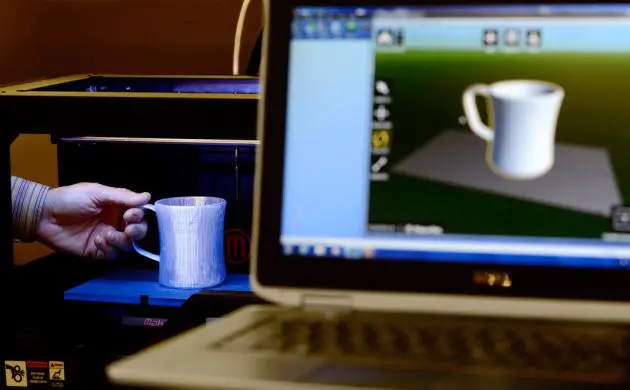
A new way of printing objects can create anything from guns to doorknobs to replacement parts for a dishwasher. The technology seems to be only a short way from mass-market appeal as it grow cheaper. Online retailers are eyeing a world where people shop on the Internet and then print out their purchases at home.
ROBO DRIVER
What seemed like science fiction only recently is now the subject of a real competition: getting the first self-driving car to the market. Google, Daimler, Nissan and parts-maker Continental all have their hats in the ring. It suddenly seems possible that these could be on road by 2020, although legal and technical questions remain. Single elements of this new technology are already becoming standard in premium cars.
HOME LINKS
After years of discussing things like Internet-connected washing machines, everything from lamps to the heat can finally be controlled by smartphone. There could be up to 50 billion networked items online in a few years, though the industry is still working on common standards.
LARGE DATA
Modern life generates ever more data. Now high-powered computers are trying to crunch that into useful facts that can be used to recognise spreading disease, prevent accidents or direct production lines to meet present needs. However, recent privacy scandals could endanger this movement.
YOUR TWO BITS
A bitcoin went for US$13 (Bt417) at the start of 2013. Now one is worth more than $1,000, with the price still rising. The digital currency, regulated by no country and only available online, i s raising questions among financial experts about currency fluctuation and what that does to customer expectations.
COMMON CODE
Methods to secure electronic communications are nothing new, but they’ve become more popular as ever more news emerges about detection programs favoured by US spies. Many have been too complicated for the regular user to date, but they could grow easier to access as demand percolates. Also expect stronger encryption software to hit the market.
