
BOJ policymakers signal more rate rises after June hike to 1 per cent
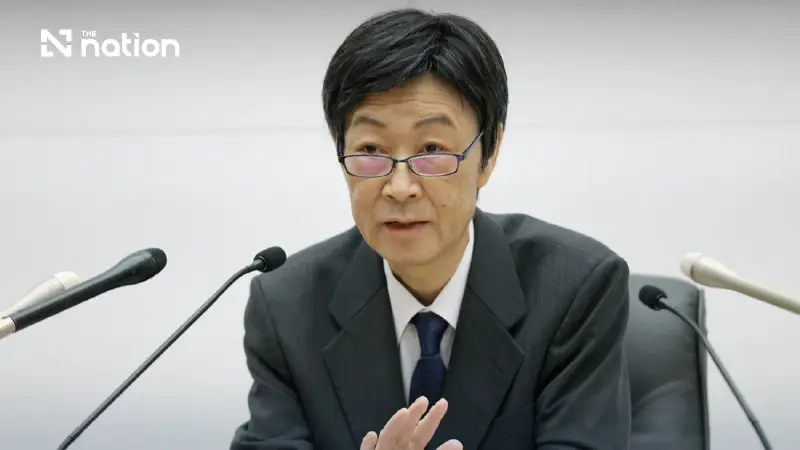


A BOJ summary showed broad support for continued tightening, while one member warned higher rates could weaken demand and jobs.
- At its June meeting, the Bank of Japan's (BOJ) Policy Board voted to increase its key interest rate to approximately 1% from 0.75%.
- A summary of the meeting revealed that many policymakers support the need for continued interest rate increases in the future.
- The push for rate hikes is driven by concerns that inflation, influenced by factors like high crude oil prices, could surpass the central bank's 2% target.
- Some members suggested a proactive stance, with one proposing rate increases every few months to continue tightening monetary policy.
Many Bank of Japan policymakers backed the case for continued interest rate increases at the central bank’s June policy meeting, where its first rate rise since December was approved, according to a summary of opinions released on Wednesday (June 24).
The BOJ’s Policy Board met on June 15 and 16 and voted to lift the policy rate to around 1 per cent from around 0.75 per cent, as members weighed the risk that inflation could move above the central bank’s 2 per cent target amid higher crude oil prices.
One board member said it was “appropriate” for the BOJ to raise the policy interest rate and adjust the degree of monetary accommodation, citing the risk that core consumer price growth could exceed the target.
Several members also pointed to the need for further tightening.
One said it would be “desirable” to consider rate increases every few months, given that Japan’s neutral interest rate, which neither stimulates nor restrains the economy, was believed to be around 2 per cent.
Another said the BOJ “should maintain its stance to continue to raise the policy interest rate”, adding that financial conditions were expected to remain accommodative even after the latest increase.
BOJ Governor Kazuo Ueda was absent from the meeting because he was in the hospital at the time.
Voting was conducted by the remaining eight Policy Board members, with the rate rise approved by seven votes to one.
A dissenting member, believed to be Toichiro Asada, argued that the BOJ should “hold the rate steady at this point”, saying a rate increase “could suppress aggregate demand” by discouraging corporate fixed investment and could lead to simultaneous declines in inflation, production and employment.
The meeting also decided to halt reductions in the BOJ’s outright purchases of Japanese government bonds from April 2027.
One board member said the move would not “hamper market functioning”.
On the domestic economy, one board member said downside risks “have decreased”, pointing to strong AI-related demand, various government measures and progress in securing alternative sources of raw materials.
A Cabinet Office representative raised concern that the rate increase could weigh on the economy, saying it was important for the BOJ to “fulfil its accountability” while taking “proactive and appropriate action in the event of excessive fluctuations in economic activity.”

[Copyright The Jiji Press, Ltd.]
