
Roadside land values in Japan see strongest growth since 2010
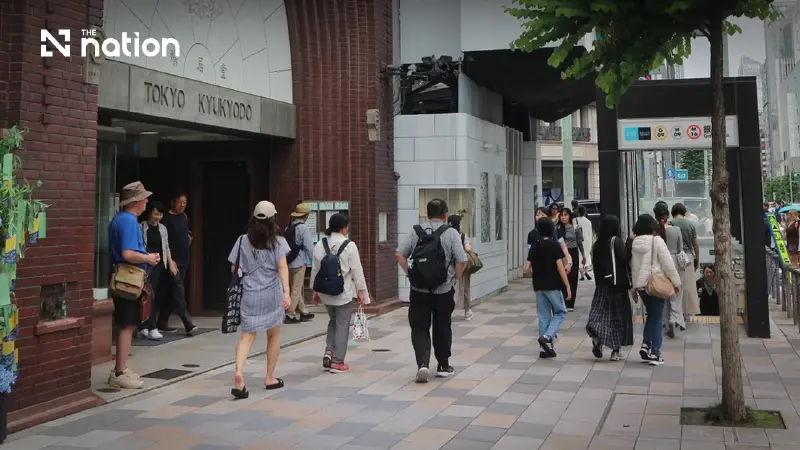


The National Tax Agency said average roadside values rose 2.9 per cent, with gains spreading across 36 prefectures and Ginza setting another record.
- Japan's roadside land values increased by an average of 2.9%, the fastest growth rate since the current calculation method was introduced in 2010.
- The rise was attributed to strong housing demand, especially in Tokyo, and resort development aimed at inbound tourists.
- Values increased in 36 of Japan's 47 prefectures, with Tokyo seeing the sharpest gain at 9.4%.
- The country's most expensive plot of land, in Tokyo's Ginza district, grew 11.0% to a record value of 53.36 million yen per square meter.
Japan’s roadside land values rose by an average of 2.9 per cent from a year earlier as at 1 January, extending their increase for a fifth consecutive year, the National Tax Agency said on Wednesday (July 1).
The rise was the fastest since the current calculation method began in 2010. It appears to have been supported by stronger housing demand, particularly in Tokyo, as well as resort development aimed at inbound tourists.
The values, used as a basis for calculating inheritance and gift taxes, increased in 36 of Japan’s 47 prefectures. Tokyo posted the sharpest prefectural gain, up 9.4 per cent, followed by Okinawa, Japan’s southernmost prefecture, with a 6.6 per cent rise. Values were flat in three prefectures, including Gifu in central Japan.
Eight prefectures recorded falls, including Niigata in central Japan and Shimane in western Japan, four fewer than a year earlier. The rate of decline also narrowed in five prefectures.
Among prefectural capitals, the highest roadside land values rose in 44 cities, compared with 35 the previous year. Three capitals were unchanged, down from 11, while none reported a fall, the first time that had happened since the 1991 survey during Japan’s bubble economy.
Saga, in southwestern Japan, saw the steepest rise among prefectural capitals at 17.0 per cent, ahead of Morioka in northeastern Japan at 13.0 per cent. The increases are believed to reflect development projects around Saga and Morioka stations.
The country’s most expensive roadside plot remained the land in front of the Kyukyodo stationery shop in Tokyo’s upscale Ginza district. Its value reached a record 53.36 million yen per square metre, up 11.0 per cent from a year earlier, keeping the site in the top spot for the 41st consecutive year. That is equal to about 649,000 yen for an area the size of a 10,000-yen note.

[Copyright The Jiji Press, Ltd.]
