
Anutin urges stronger ASEAN unity amid global challenges
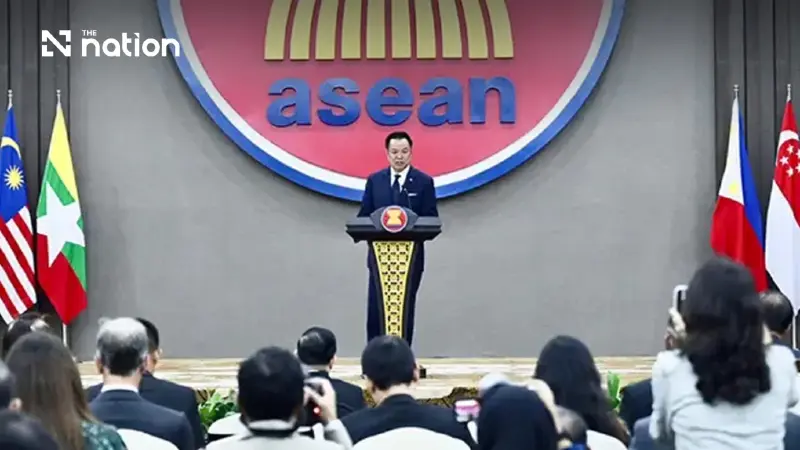


Prime Minister Anutin outlines Thailand’s ASEAN vision, calling for stronger regionalism, greater resilience and benefits for people.
Thai Prime Minister Anutin Charnvirakul has called for stronger ASEAN unity and resilience as the region faces interconnected challenges in geopolitics, economics, technology and security.
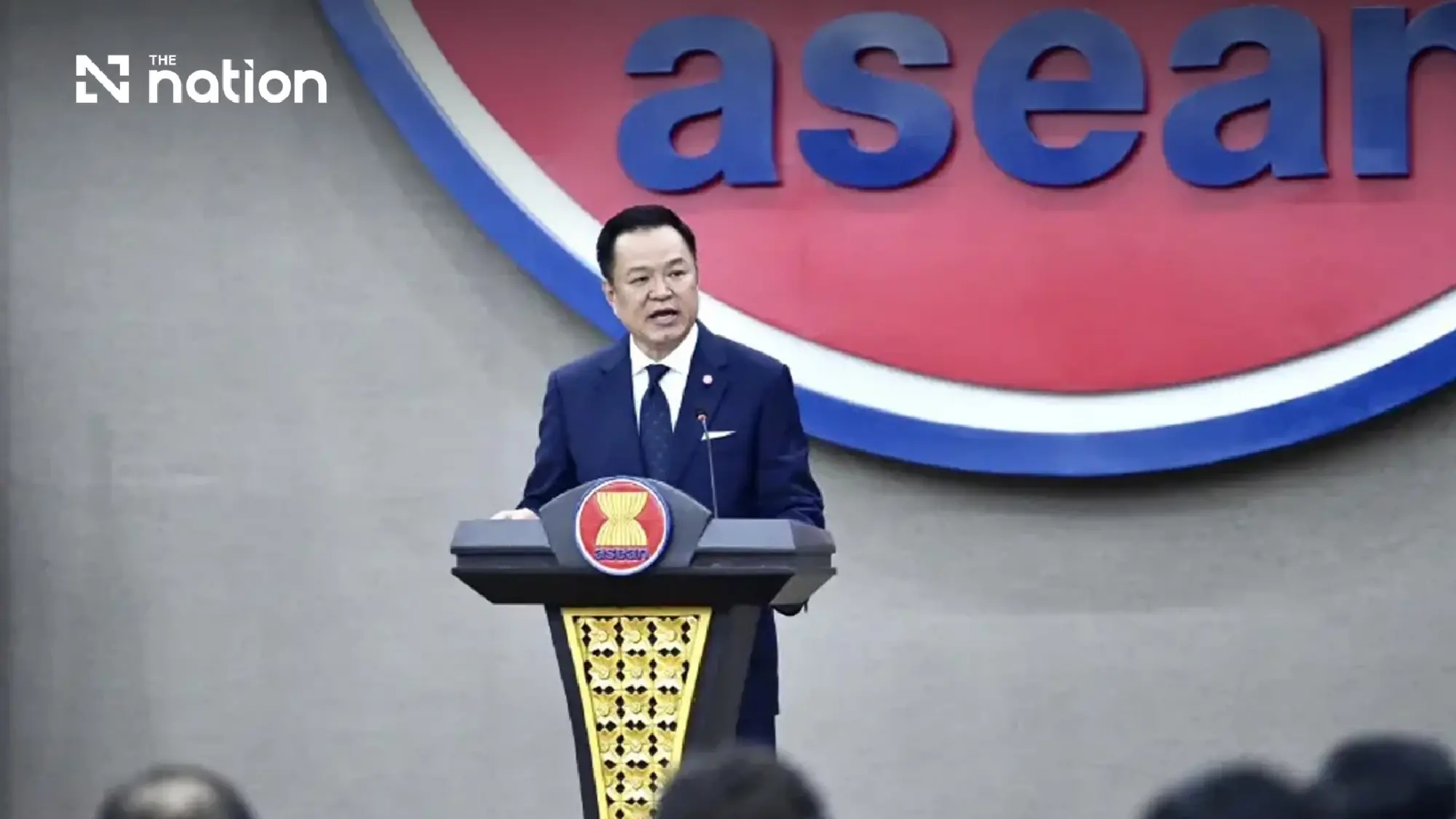
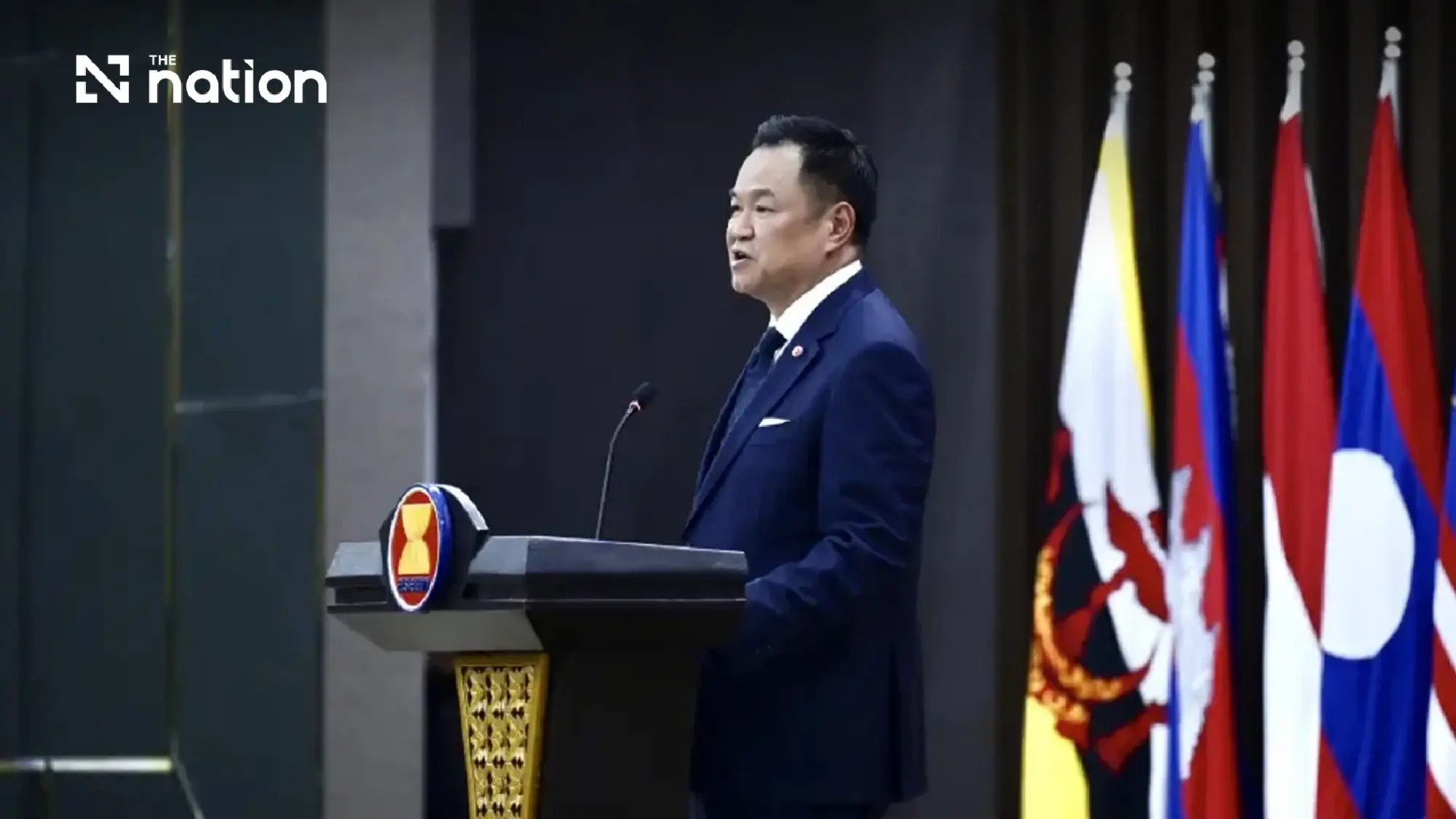
Speaking at the ASEAN Secretariat in Jakarta on Tuesday (August 4), Anutin presented Thailand’s vision for ASEAN’s future, urging the bloc to strengthen regional cooperation, prepare for uncertainty and ensure its work delivers tangible benefits for people.
The speech marked the first address by a Thai prime minister at the ASEAN Secretariat in 17 years, since 2009. It was attended by permanent representatives to the ASEAN Secretariat and diplomats from more than 100 countries.

Prime Minister’s Office spokesperson Ratchada Thanadirek said Anutin proposed three priorities for ASEAN: stronger regionalism, greater resilience and lasting relevance for citizens.
Stronger regionalism needed in divided world
Anutin said global challenges were increasingly interconnected and could not be addressed by individual countries alone.
“Regional challenges require regional solutions,” he said.
The prime minister said ASEAN’s unity and centrality were becoming more important as global divisions deepened. He added that the principles of consensus and non-interference remained the foundation of ASEAN, but should be applied with flexibility to allow the bloc to respond effectively to changing circumstances.

On Myanmar, Anutin said the Five-Point Consensus remained ASEAN’s main framework for addressing the situation.
Thailand has supported a calibrated re-engagement approach aimed at maintaining channels for dialogue, creating space for interaction and responding to developments on the ground while encouraging concrete progress, he said.
Anutin pointed to the International Committee of the Red Cross (ICRC)’s recent visit with Aung San Suu Kyi as a positive development, saying Thailand had consistently advocated for such engagement.
“This is something Thailand has consistently pushed for, and we hope to see further positive developments in the near future,” he said.
He added that a peaceful and stable Myanmar was important not only for Thailand as a neighbouring country, but also for ASEAN unity and regional stability.

ASEAN must build resilience before crises emerge
Under the second priority, greater resilience, Anutin said ASEAN should prepare for disruptions rather than wait until crises occur.
He called for stronger supply chains, energy and food security, along with faster digital connectivity and improved technological capabilities.
The prime minister also encouraged ASEAN to expand cooperation with middle powers and Global South countries to increase options, reduce dependence on any single source and preserve the region’s strategic autonomy.
On Thailand-Cambodia relations, Anutin said both sides had agreed to restore trust and continue bilateral dialogue.
Thailand was ready to begin a new chapter with its neighbour while resolving differences through peaceful means and international law, he said.
He added that this approach must continue alongside efforts to maintain ASEAN unity and shared priorities.

ASEAN’s success measured by benefits for people
Anutin’s third priority focused on ensuring ASEAN remained relevant to citizens over the long term.
He said the bloc’s success should be measured by outcomes people could experience directly, including food and energy security, efforts against transnational crime and threats, job creation, economic opportunities and skills development for younger generations.
The prime minister also stressed the need to strengthen ASEAN institutions and working mechanisms so leaders’ decisions could be translated into practical action.
He said ASEAN, which Thailand helped establish through the Bangkok Declaration 59 years ago, had transformed a region once marked by conflict into a community based on rules, cooperation and dialogue.
Thailand has contributed to ASEAN’s development through initiatives including the ASEAN Free Trade Area (AFTA), the ASEAN Regional Forum (ARF) and the establishment of the ASEAN Intergovernmental Commission on Human Rights (AICHR).
As ASEAN prepares to mark its 60th anniversary next year, Anutin said the milestone would provide an opportunity to shape the bloc’s future direction.
Thailand was ready to play an active role in building an ASEAN that was stronger from within, united, prepared for change and capable of delivering meaningful benefits to its people.
“This is the future of ASEAN that Thailand believes in, and it is the future that we must all build together,” Anutin said.
