
Japan reports largest monthly reserve decline amid yen intervention
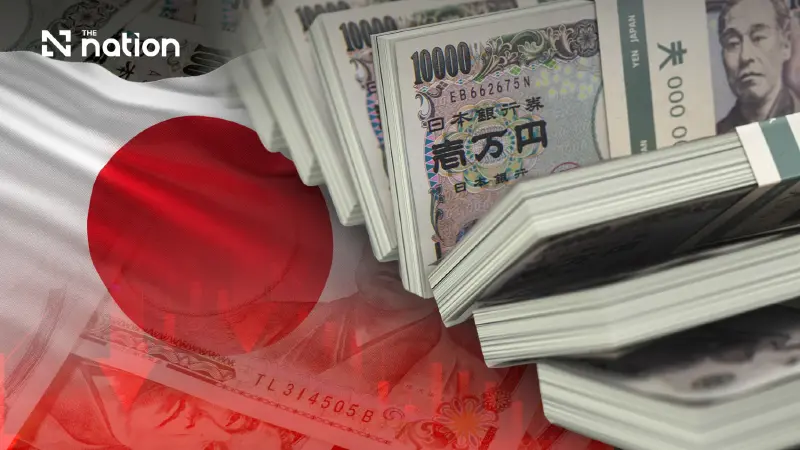


Tokyo’s dollar sales and yen purchases totalled 15.4 trillion yen, while a Federal Reserve facility could provide dollar liquidity without outright sales of US Treasuries.
- Japan's foreign reserves fell by a record US$79.6 billion in August, dropping to a total of US$1.208 trillion.
- The decline was caused by a record-breaking currency intervention, where authorities sold dollars to buy 15.4 trillion yen (US$98.66 billion) to strengthen the currency.
- Most of the reduction in reserves came from the sale of foreign securities, which are mainly US Treasuries.
- The intervention was notable for including the first coordinated currency action between Japan and the United States since 2011.
Japan ended August with US$1.208 trillion in foreign reserves after the total fell 6.18% from US$1.287 trillion a month earlier.
The US$79.6 billion reduction was the largest on record, Ministry of Finance figures published on Monday (September 7) showed.
The decline followed a renewed attempt by Tokyo to counter the yen’s persistent weakness.
Between July 30 and August 26, authorities sold dollars and bought yen in transactions valued at 15.4 trillion yen (US$98.66 billion), separate ministry data released last month showed.
Japan had never previously conducted intervention on that scale in a single month.
By August 3, the operation had helped bring the yen to 155.20 per dollar from a 40-year low near 164.
The currency later moved back towards 160 before strengthening again to around 155–156 in early September.
About 70% of Japan’s reserves are held in foreign securities, and a reduction in this category accounted for most of the August fall.
The portfolio consists mainly of US Treasuries accumulated during dollar-buying intervention around two decades ago.
Despite low market expectations of bilateral action, Washington joined Tokyo in part of the yen-buying operation.
This was the first coordinated currency intervention by Japan and the United States since 2011.
Market concerns over the limits of Japan’s capacity to continue intervening on such a scale prompted Tokyo and Washington to cite a COVID-19-era Federal Reserve backstop available to major central banks.
Established in 2020 to steady markets during the pandemic, the facility enables Japan to raise dollar liquidity without selling US Treasuries outright.
Using it could reduce the funding pressure associated with further intervention.
Exchange rate: US$1 = 156.0900 yen.
Source: Reuters
