
ONWR halts Vajiralongkorn Dam releases as heavy rain nears
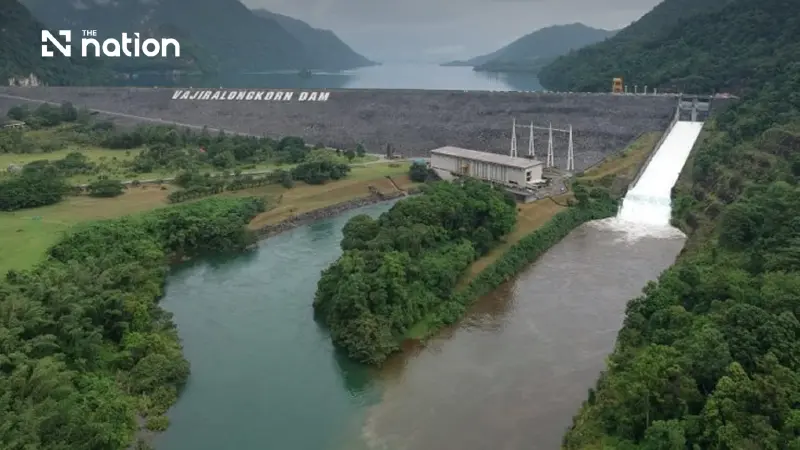


ONWR halts releases from Vajiralongkorn Dam for two days and warns seven northern and western provinces of heavy rain on September 28–29.
The Office of the National Water Resources (ONWR) has ordered a two-day suspension of water releases from Vajiralongkorn Dam in Kanchanaburi to ease flooding downstream, while warning seven northern and western provinces to prepare for heavy rain on September 28–29.
The decision followed a meeting of ONWR’s weather analysis and water situation forecasting working group on Sunday (September 27, 2026), which reviewed reservoir operations nationwide and adjusted discharge plans to minimise the impact on communities.
ONWR also warned that river levels in the eastern coastal basin and lower Central region remained under close watch for possible overflows.

Heavy rain shifts towards North and West
Paitoon Kengkarnchang, deputy secretary-general of ONWR and the agency’s spokesman, chaired the meeting alongside Kanchanaburi Governor Waristha Sanguansœmsri and relevant agencies via electronic conference.
Forecasts from the Thai Meteorological Department and the Hydro-Informatics Institute indicate that rainfall over the East, Central region, Bangkok and surrounding provinces will gradually ease.
However, rain is expected to shift towards the North and West on September 28–29, bringing heavy falls to some areas, particularly Mae Hong Son, Chiang Mai, Lamphun, Lampang, Phayao, Tak and Kamphaeng Phet.
The accumulated rainfall is expected to increase inflows into several reservoirs and could also generate run-off downstream of some dams.
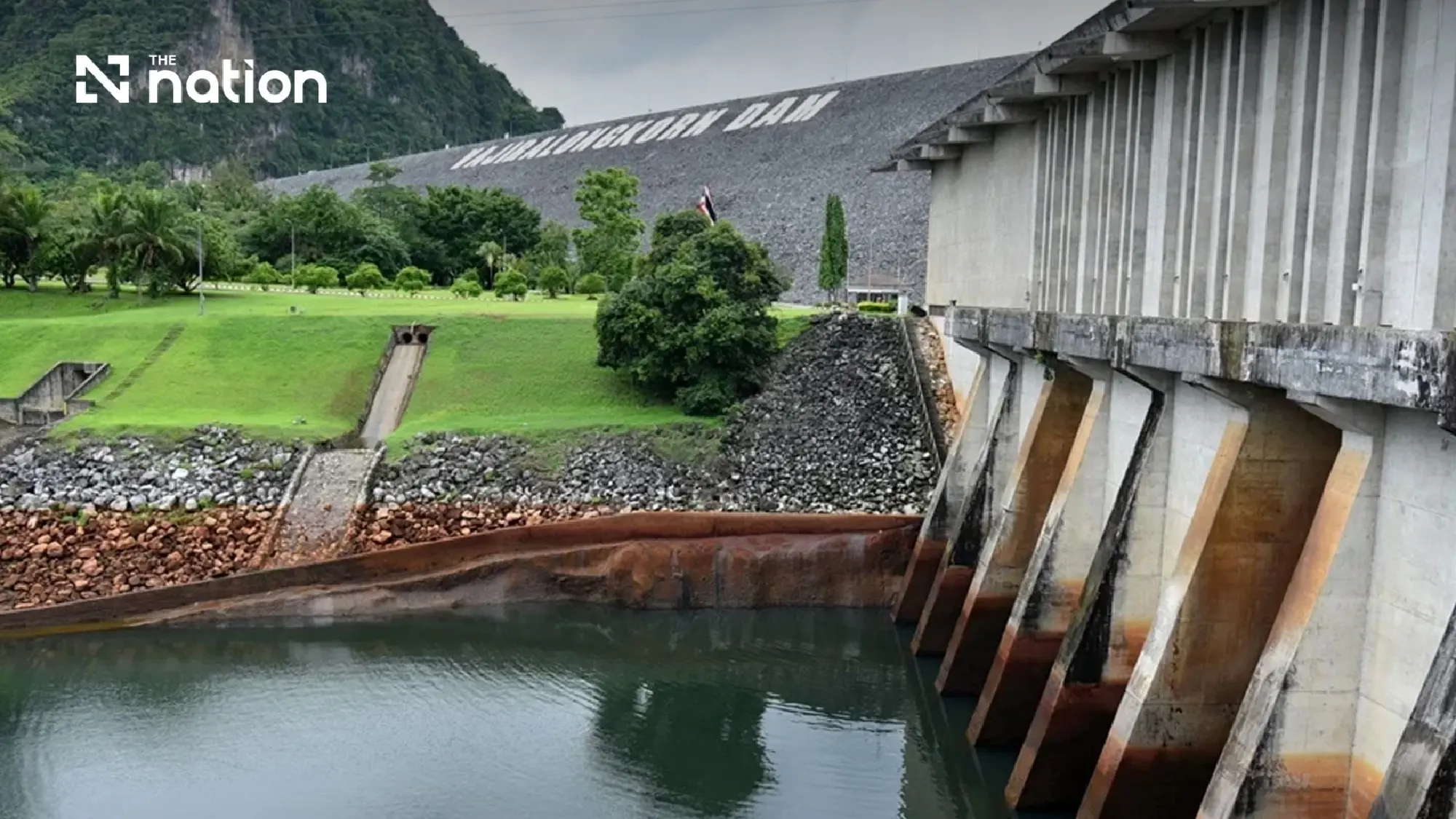
Vajiralongkorn Dam releases suspended for two days
Although Vajiralongkorn Dam in Kanchanaburi currently holds a high volume of water, heavy accumulated rainfall downstream has already caused run-off into the Khwae Noi River and flooding in riverside areas.
ONWR said the reservoir still had capacity to hold an additional 500–700 million cubic metres of water.
The meeting therefore agreed to suspend releases for two days, from September 27–28, to slow downstream flows and reduce the impact on residents.
Srinagarind and Tha Thung Na dams reduce downstream flows
Water-management plans for Srinagarind and Tha Thung Na dams in Kanchanaburi have also been adjusted to delay flows downstream.
Tha Thung Na Dam has reduced its release to 2 million cubic metres per day, while water is being pumped back into Srinagarind Dam to prevent excessive flows through the spillway.
Khun Dan Prakan Chon Dam reaches full capacity
Khun Dan Prakan Chon Dam in Nakhon Nayok is currently at full storage capacity and must release 15 million cubic metres per day to bring its level back within the operating control range.
ONWR expects the operation to take approximately three to seven days and said the releases were not expected to have a major effect on current downstream water levels.
Pa Sak and Kaeng Krachan dams remain under management
Pa Sak Jolasid Dam in Lop Buri is at 89% of storage capacity and will maintain its release at 2 million cubic metres per day to help slow the volume of water moving towards the lower Central region.
Kaeng Krachan Dam in Phetchaburi is slightly above its operating control level, although conditions are improving as inflows have begun to decline steadily.
Chanthaburi faces possible river overflow
In the eastern coastal basin, Chanthaburi remains under close watch as upstream run-off enters the Chanthaburi River.
Water levels in Chanthaburi Municipality and Chanthanimit Municipality could overflow riverbanks and inundate nearby areas within the next one to two days.
Run-off from the Wang Tanot River has also reached Tha Mai district.
Bang Pakong and Prachin Buri rivers expected to rise further
In the Bang Pakong-Prachin Buri basin, water upstream of Bang Pakong Dam is forecast to rise another 20–30 centimetres on September 29–30.
Areas requiring particular attention include Bang Nam Priao, Khlong Khuean and Bang Khla districts in Chachoengsao.
Chao Phraya situation begins to stabilise
Conditions in the Chao Phraya basin have begun to stabilise and show signs of easing as flows from the Ping and Nan rivers decline.
Water passing station C.2 in Nakhon Sawan currently stands at 1,846 cubic metres per second.
As a result, releases downstream of Chao Phraya Dam will continue to be kept at no more than 2,000 cubic metres per second, with adjustments to be made according to actual rainfall.
Mae Klong releases remain high
Downstream water levels in the Mae Klong basin remain elevated, requiring releases from Mae Klong Dam of more than 1,200 cubic metres per second.
The higher releases could affect low-lying areas along the Khwae Noi and Mae Klong rivers in Kanchanaburi, Ratchaburi and Samut Songkhram.
Flood and landslide watch in Phetchaburi and Prachuap Khiri Khan
ONWR is also monitoring the Phetchaburi-Prachuap Khiri Khan basin for flash floods and landslides.
Risk areas include Nong Ya Plong and Kaeng Krachan districts in Phetchaburi, as well as Hua Hin and Bang Saphan districts in Prachuap Khiri Khan.
Paitoon said all relevant agencies had been instructed to prepare response measures and issue timely warnings to people in risk areas.
ONWR will accelerate assessments of how far and how quickly floodwater is expected to travel, along with projected water levels at key locations, to provide more accurate information for water-management decisions.
Agencies have also been instructed to drain inundated areas as quickly as possible to minimise damage to lives and property.
For those who wish to help our fellow citizens suffering and affected by the floods, you can make a donation through the following accounts:
Nation Foundation
Bank of Ayudhya (Krungsri): Account No. 333-0-01399-6
Kasikorn Bank: Account No. 192-3-59782-0
"We will get through this crisis together."
