
Phumtham dismisses call for abolition of two MoUs with Cambodia
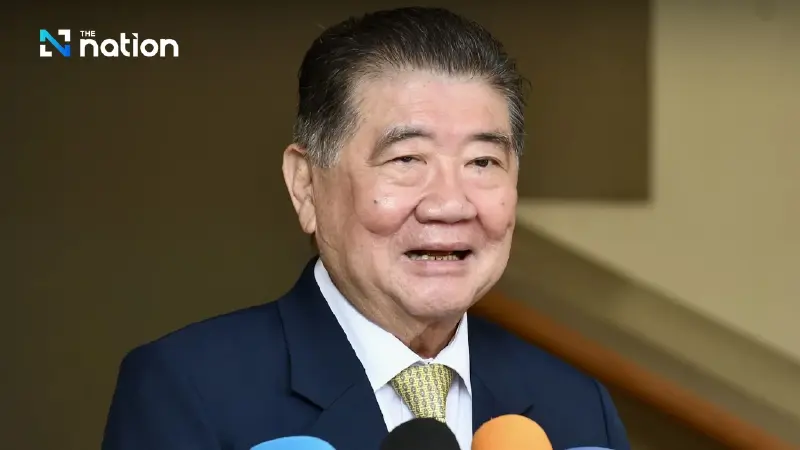


Phumtham rejects calls to scrap MoU 43 and 44 with Cambodia, saying Thailand should focus on landmines and razor wire issues where it holds advantage.
Acting Prime Minister Phumtham Wechayachai on Monday rejected calls for the government to cancel two border agreements with Cambodia, known as MoU 43 and MoU 44.
Phumtham said the government would prioritise issues where Thailand currently holds the advantage, and would not broaden the agenda to matters that could complicate talks with Cambodia.
He explained that Thailand had gained an advantage by erecting razor wire defences around military positions on Thai soil following four days of clashes with Cambodian forces.
Thailand also had evidence that Cambodia had violated the UN convention banning anti-personnel landmines, he added.
“Now, the issues of landmines and razor wire are useful for Thailand. We should focus on the issues that give us the advantage first,” Phumtham said.
“We are in the right regarding the landmines. Cambodia is at a disadvantage on this. The international community is discussing the landmine issue, so we should not shift to other matters as it would make talks more difficult.”
He confirmed that Thailand had been collecting strong evidence showing Cambodian troops had entered Thai territory to plant landmines intended to injure Thai soldiers.
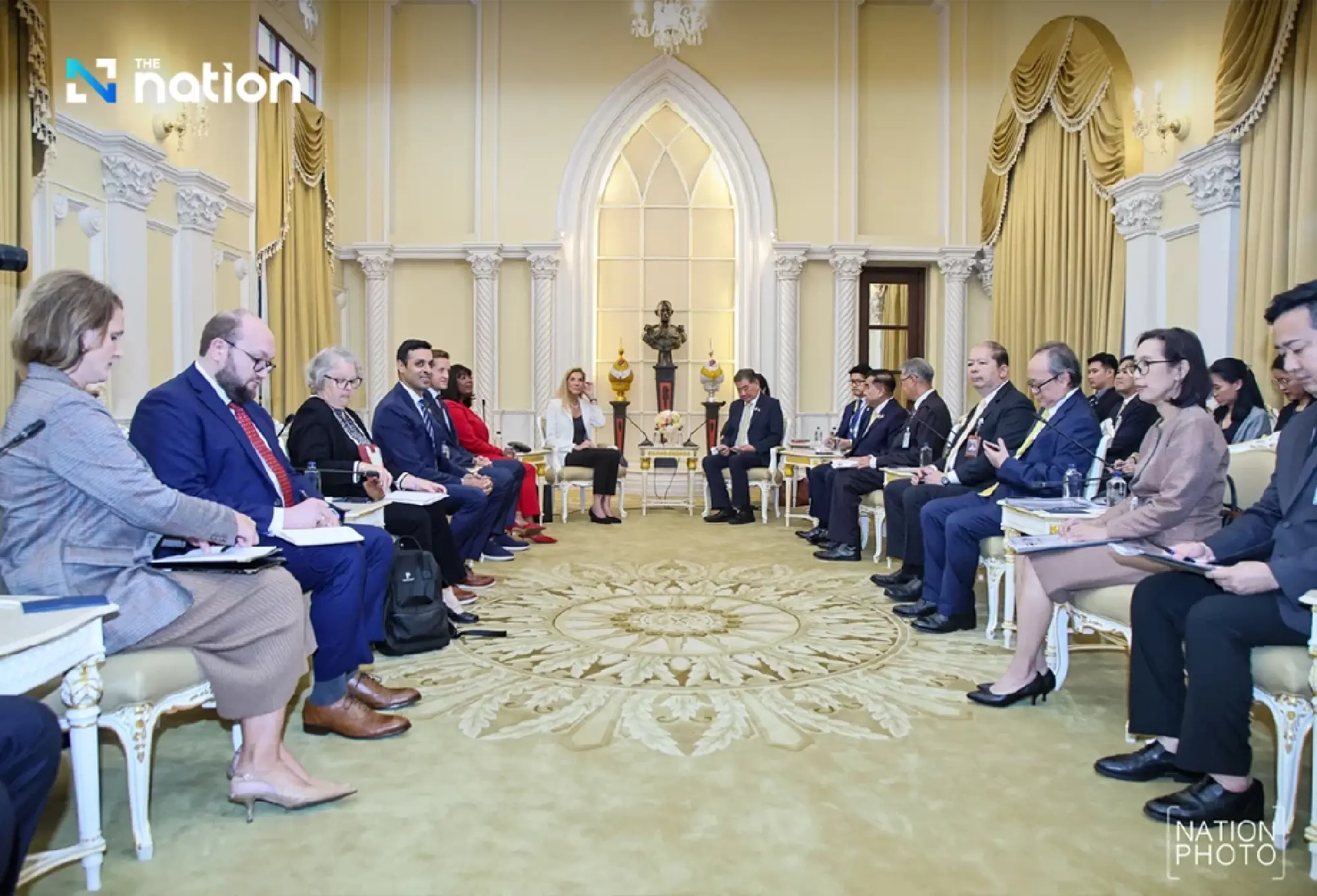

Meeting with US lawmakers
Phumtham made the remarks after meeting with four US lawmakers—two Republicans and two Democrats—at Government House. The delegation visited Thailand to monitor developments in the region and the ongoing Thai-Cambodian border conflict.
Background of the MoUs
- MoU 43 (2000): Provides a framework for demarcating the land border between Thailand and Cambodia, referencing the Franco-Siamese Treaties of 1904 and 1907. It seeks to establish an officially recognised boundary line and border markers.
- MoU 44 (2001): Outlines a framework for negotiations on the overlapping continental shelf claims in the Gulf of Thailand, an area believed to contain significant natural gas and oil reserves.
Both MoUs have become flashpoints in Thai politics, with some factions calling for their cancellation due to perceived lack of progress and Cambodia’s repeated violations. Critics argue that repealing the agreements would allow Thailand to better protect its national interests.
