
Thailand, Malaysia push border corridor to unlock trade and security gains
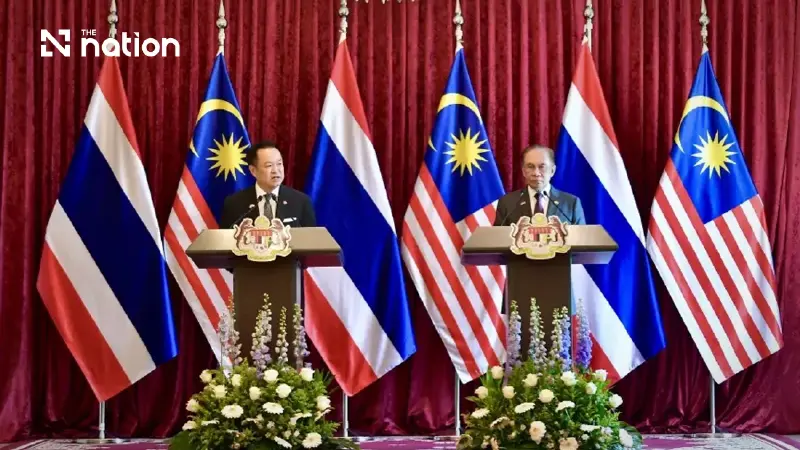


Thailand and Malaysia have agreed to accelerate border connectivity, trade, tourism, agriculture and security cooperation, with a new Sadao–Bukit Kayu Hitam link anchoring a push towards a US$30 billion bilateral trade target.
Thailand and Malaysia have agreed to accelerate border connectivity and economic cooperation, aiming to turn their shared frontier into a new growth corridor through improved transport links, expanded trade, tourism, agriculture and security cooperation.
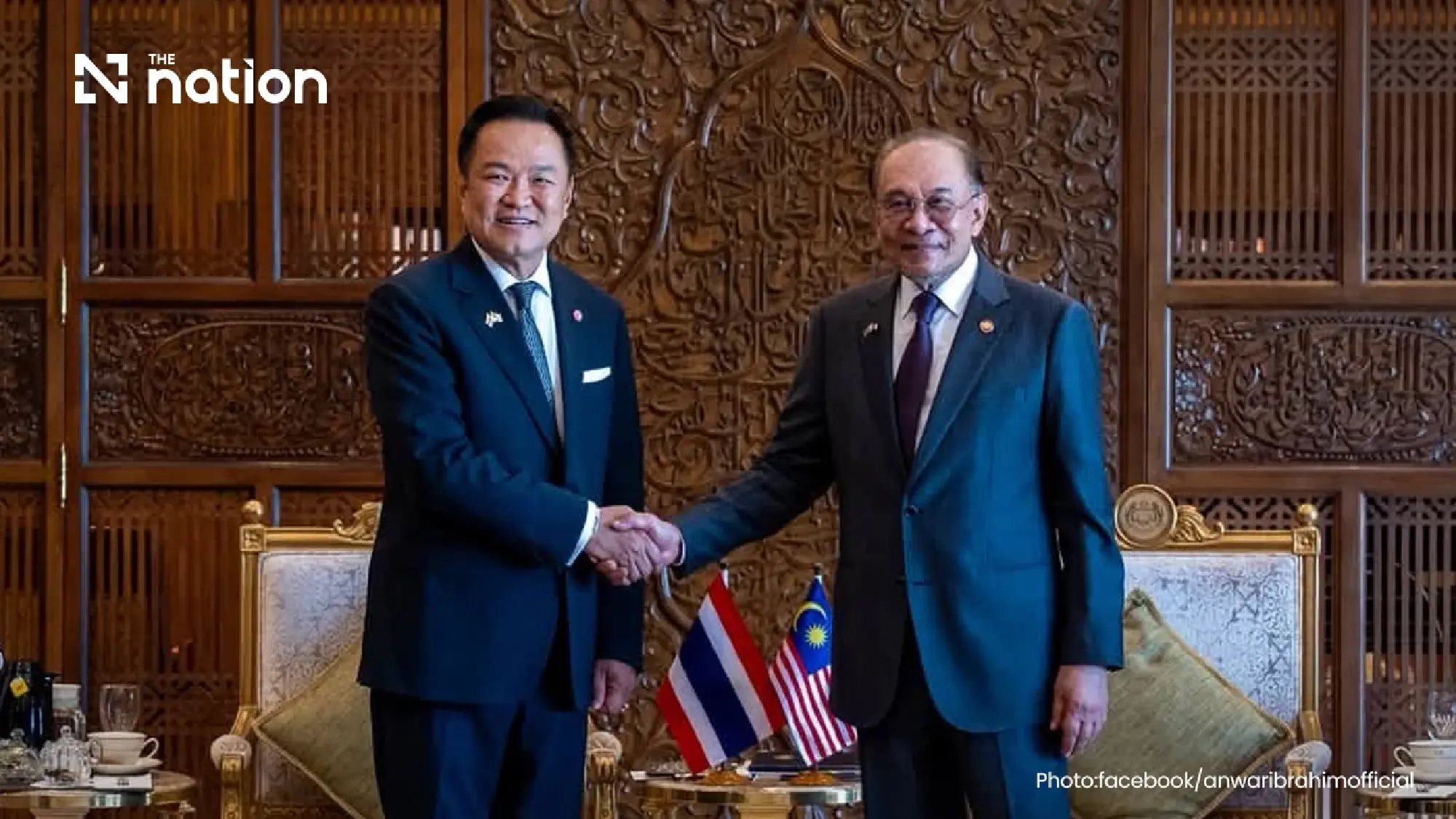
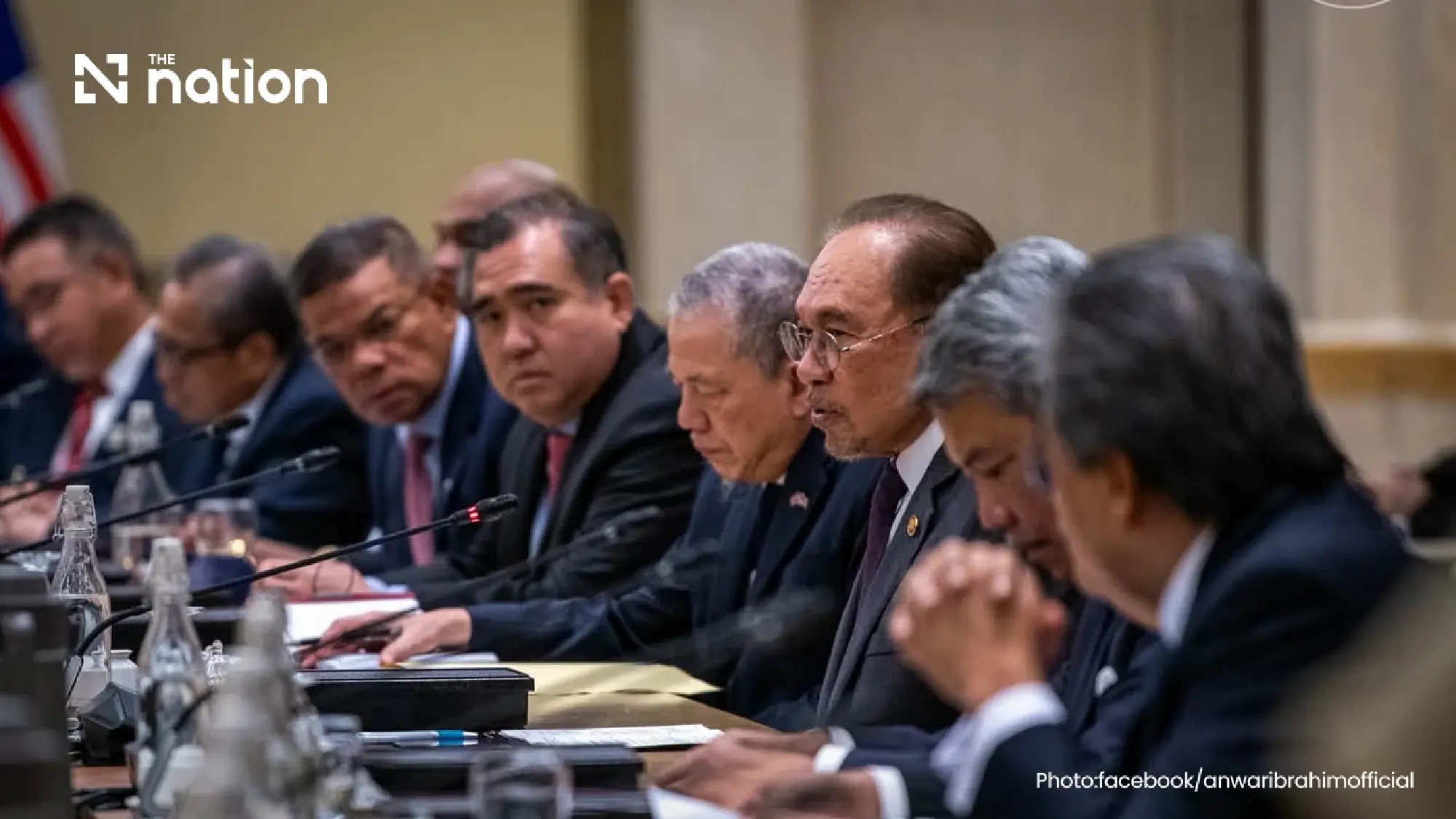
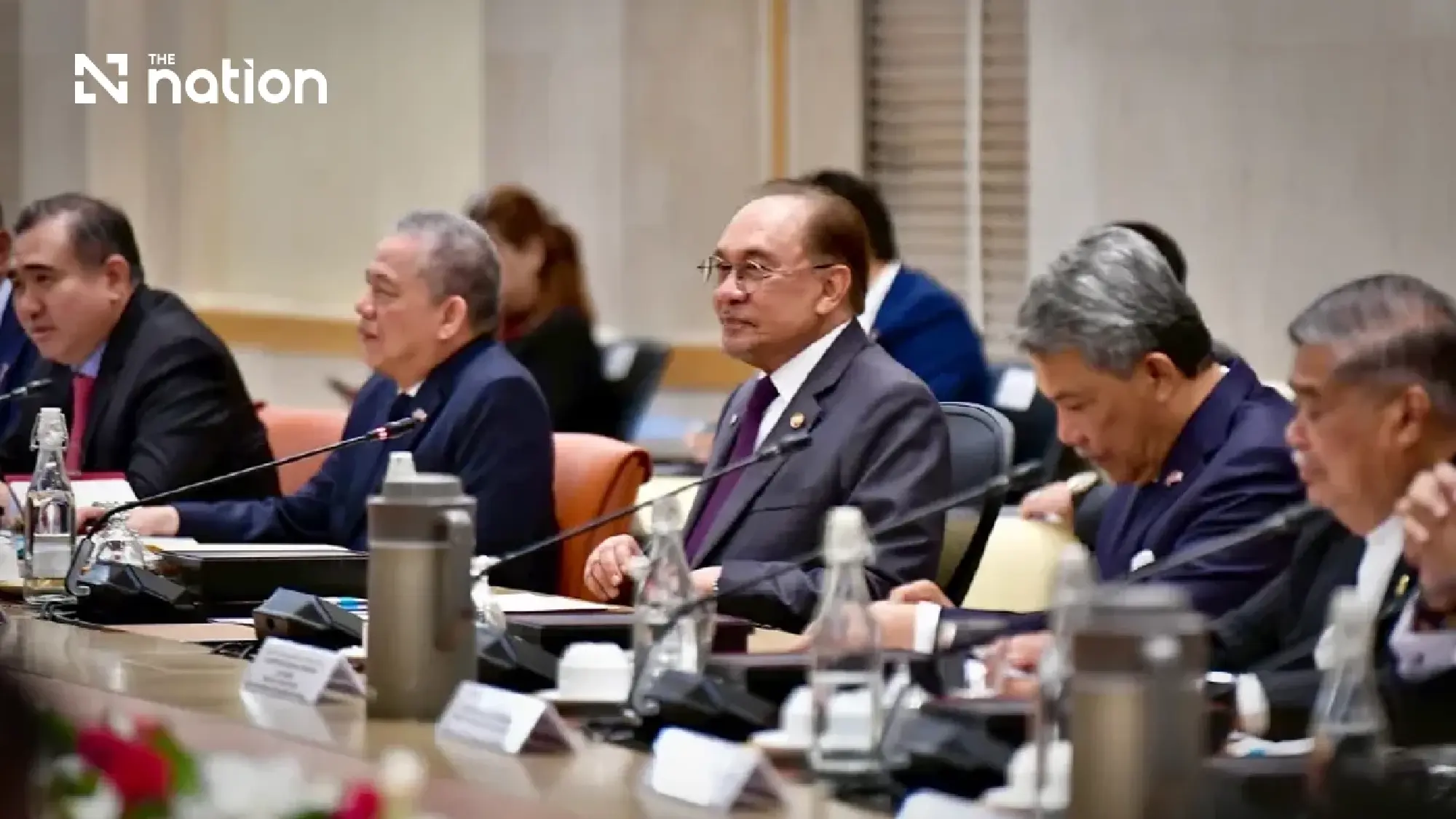
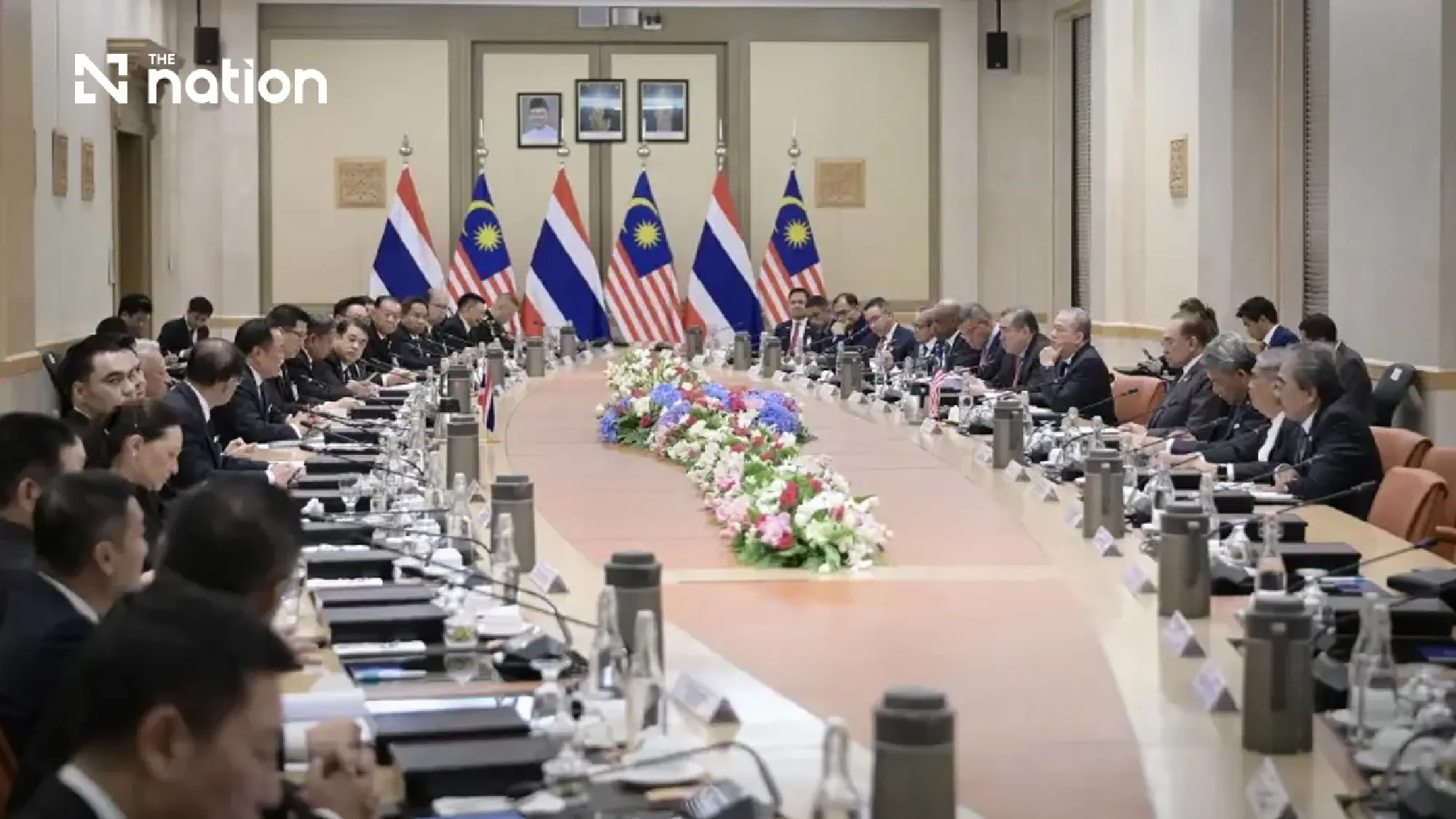
Prime Minister Anutin Charnvirakul held full-delegation talks with Malaysian Prime Minister Dato’ Seri Anwar Ibrahim during his official visit to Malaysia, with both sides pledging to upgrade cooperation across all dimensions and create an “area of opportunity” for people and businesses in both countries.
The visit was intended to deepen cooperation in trade, investment, agriculture and energy security, while improving people’s quality of life.

New border link anchors economic push
A central focus of the talks was the acceleration of Thai-Malaysian infrastructure connectivity to make travel easier, cut logistics costs and increase the potential of border trade.
The two leaders are scheduled to jointly open the new road link connecting Thailand’s Sadao Customs House in Songkhla with Malaysia’s Bukit Kayu Hitam checkpoint, a crossing seen as a key logistics gateway between the two countries. The link is seen as a major infrastructure milestone aimed at streamlining cross-border logistics and strengthening regional connectivity.

The two sides also agreed to move forward with several other connectivity projects, including the resumption of ferry services between Satun and Kuala Perlis, the integration of ticketing systems for the Bangkok–Hat Yai–Butterworth rail route, the revival of the Sungai Kolok–Rantau Panjang railway line and the construction of a new bridge to improve regional transport and logistics.
US$30bn trade target in focus
On the economic front, Thailand and Malaysia aim to push bilateral trade towards US$30 billion in the near future.

Both governments agreed to strengthen supply-chain links in food security, energy and advanced technology industries, while assigning their agriculture ministers to speed up solutions for opening markets for farm and fisheries products.
The two leaders also agreed to proceed with developing a special border economic zone and to facilitate immigration and customs exchanges between the two countries.

Agriculture MOU and seafood dispute resolution
During the talks, the two leaders witnessed the exchange of a memorandum of understanding on agricultural cooperation, covering crops, livestock, fisheries, research, technology transfer, human-resource development and food security.
The two governments also reached a solution on shrimp and sea bass issues, with both agriculture ministers set to push implementation quickly to ease pressure on farmers. The fisheries issue had disrupted seafood trade between the two neighbours and that both sides agreed the resolution should be put into effect within a week.

Development tied to peace and security
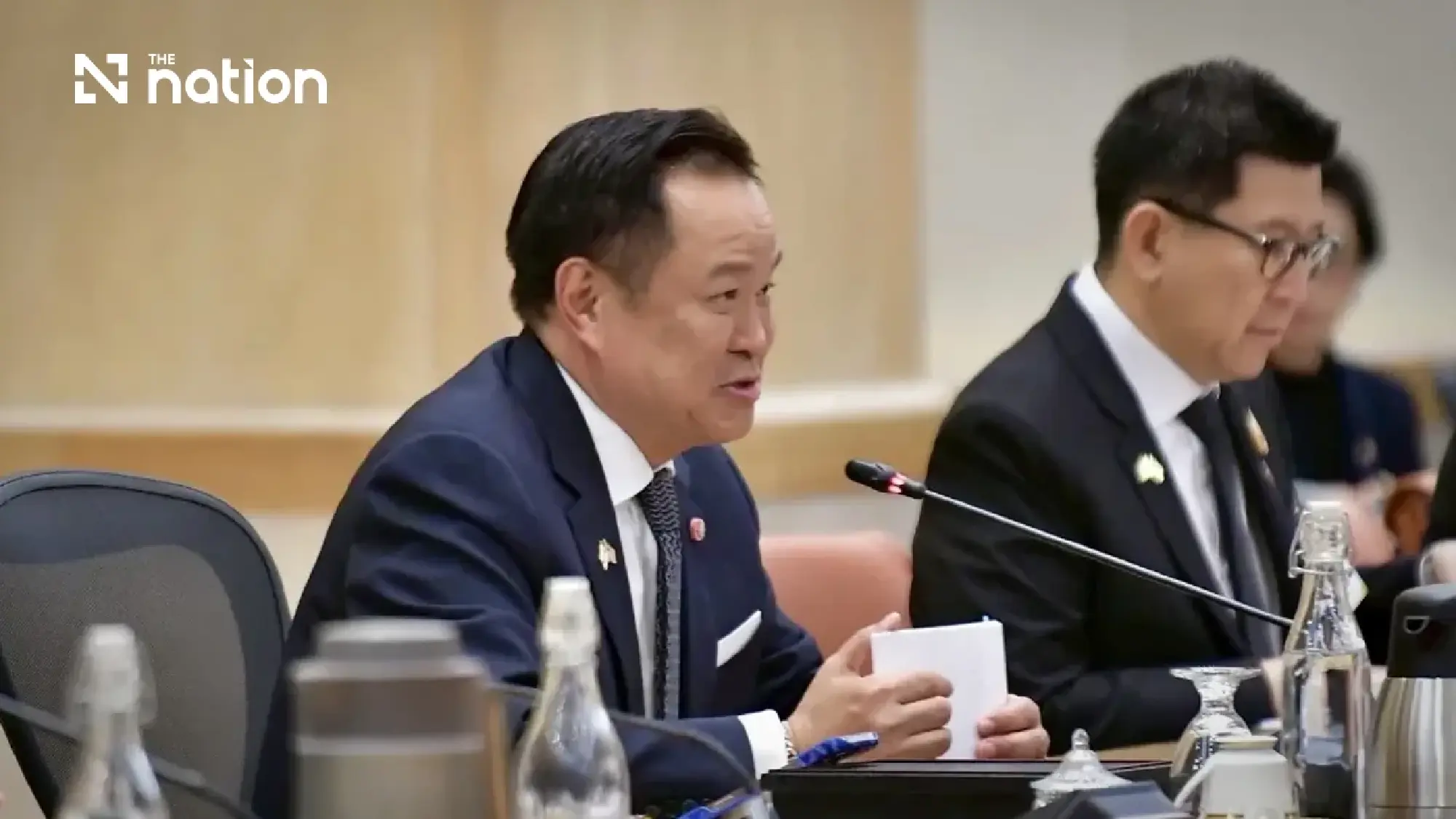
Security cooperation was another major theme of the meeting, with both sides reaffirming their commitment to supporting peace in Thailand’s southern border provinces.
Thailand and Malaysia agreed that economic development and peacebuilding should move forward together. They also pledged to step up cooperation against transnational crime, drug smuggling, human trafficking and border-area crime.
The two countries will also establish a joint working group to oversee areas along the Kolok River and develop a cross-border flood-warning system, adding disaster preparedness to the wider border-cooperation agenda.


Tourism, jobs and local livelihoods
Beyond large infrastructure projects, the two governments said they would work together to promote investment, develop local entrepreneurs, create jobs, improve labour skills and upgrade tourism.
The diplomatic push is intended to ensure that people in border areas benefit more directly from economic growth, especially in communities that depend on trade, transport, tourism and cross-border services.

Myanmar and regional cooperation
Anwar also praised Thailand’s role on the Myanmar issue, with both countries agreeing that the crisis should be addressed through constructive engagement by all parties.
Thailand, as a country sharing a border with Myanmar, has continued efforts to address instability there and provide humanitarian assistance, according to the Thai government statement.

70 years of diplomatic ties ahead
Anutin said 2027 will mark the 70th anniversary of Thailand-Malaysia diplomatic relations, and instructed relevant agencies to turn the outcomes of the talks into concrete results.
He also called for pending MOUs between Thai and Malaysian agencies to be completed quickly and invited Anwar to make an official visit to Thailand to continue cooperation that benefits people on both sides of the border.
The talks underline a broader diplomatic strategy: using border infrastructure, trade facilitation and security coordination to transform the Thai-Malaysian frontier from a logistical bottleneck into a shared economic corridor.
