
Thailand warns southern provinces as Indonesia haze raises PM2.5 risk
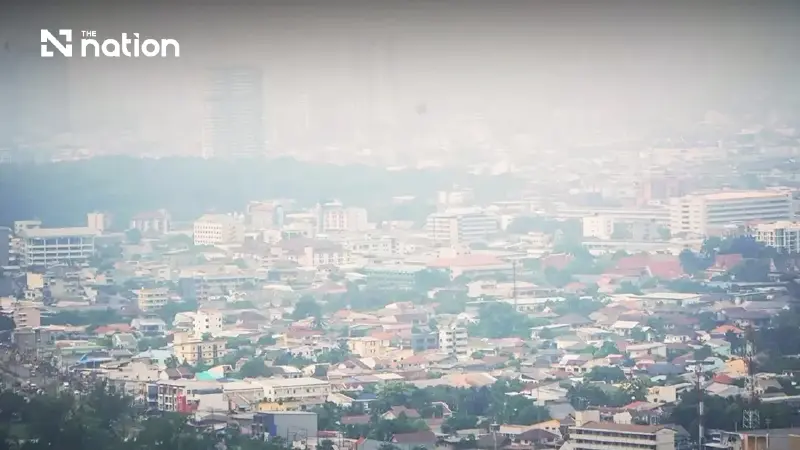


Thailand’s Pollution Control Department warns southern provinces of rising cross-border haze risks after 7,236 Indonesian hotspots were detected.
- Thailand's pollution authorities have issued a warning to southern provinces about a heightened risk of PM2.5 pollution caused by cross-border haze from Indonesia.
- The haze originates from a significant number of hotspots detected in Indonesia, particularly on the island of Sumatra, with winds carrying the smoke towards southern Thailand.
- Air quality in some southern provinces, such as Yala and Narathiwat, has already surpassed official safety standards for PM2.5 particulate matter.
- If the situation worsens, Thailand is prepared to coordinate with the ASEAN Secretariat to request cooperation from affected countries to reduce the hotspot activity.
Thailand’s Pollution Control Department has warned residents in southern provinces to closely monitor air quality as cross-border haze from Indonesia raises the risk of worsening PM2.5 levels, particularly in the Lower South and border areas.
The Air Pollution Mitigation Communication Centre (APMCC) under the Pollution Control Department issued its first 2026 warning on cross-border haze on Thursday (September 17), after detecting a large number of hotspots in Indonesia and identifying wind patterns that could carry smoke towards southern Thailand.
The centre said the situation required close monitoring as PM2.5 levels in some areas had already exceeded standards.
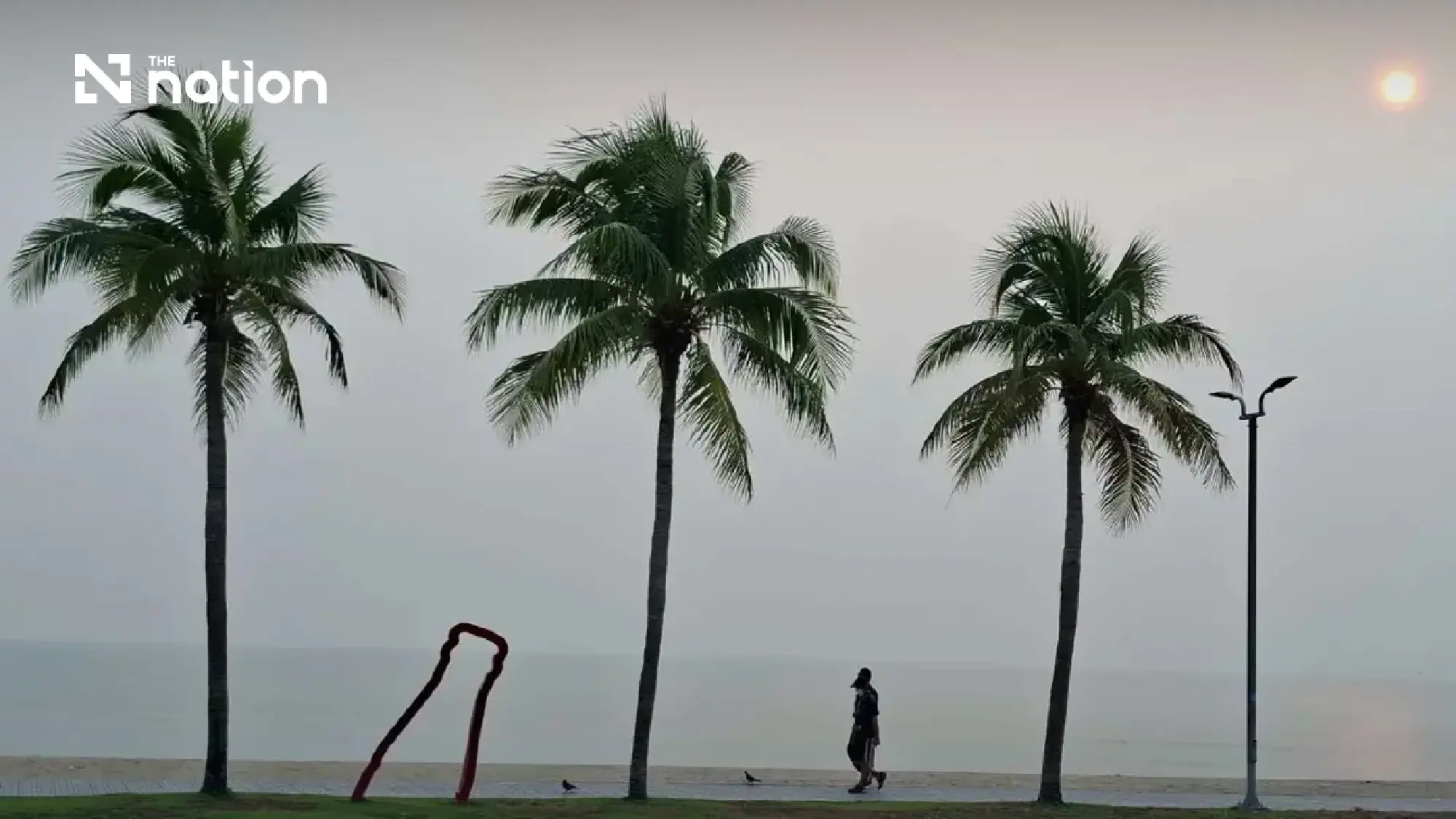

Indonesia hotspots push southern Thailand to monitor haze situation
Chaiyut Saenghaisuk, director of the Air Quality and Noise Management Division and head of the APMCC, said authorities were closely tracking the movement of cross-border haze affecting southern Thailand.
The centre said conditions had shown an increasing trend, with a large number of hotspots still detected in Indonesia. Combined with winds moving towards Thailand’s southern region, the situation has contributed to rising PM2.5 concentrations in some areas.
Data from the Geo-Informatics and Space Technology Development Agency (GISTDA) on September 16 showed four hotspots in Thailand, 11 in Malaysia and 7,236 in Indonesia.

The largest concentration of Indonesian hotspots was found in the southern part of Sumatra.
Authorities said the Lower South was also experiencing lower air ventilation rates, which could contribute to the accumulation of particulate matter if smoke and hotspot activity in Indonesia continued.
Yala and Narathiwat record PM2.5 above standards
Air quality monitoring on September 17 showed 24-hour average PM2.5 concentrations across southern Thailand ranging from 13.7 to 42.1 micrograms per cubic metre.
PM2.5 levels in Yala and Narathiwat exceeded the standard, while hourly measurements in several southern areas showed a clear increase from the afternoon of September 16.
The APMCC urged residents, especially those in the Lower South and border communities, to closely follow air quality updates as the situation develops.
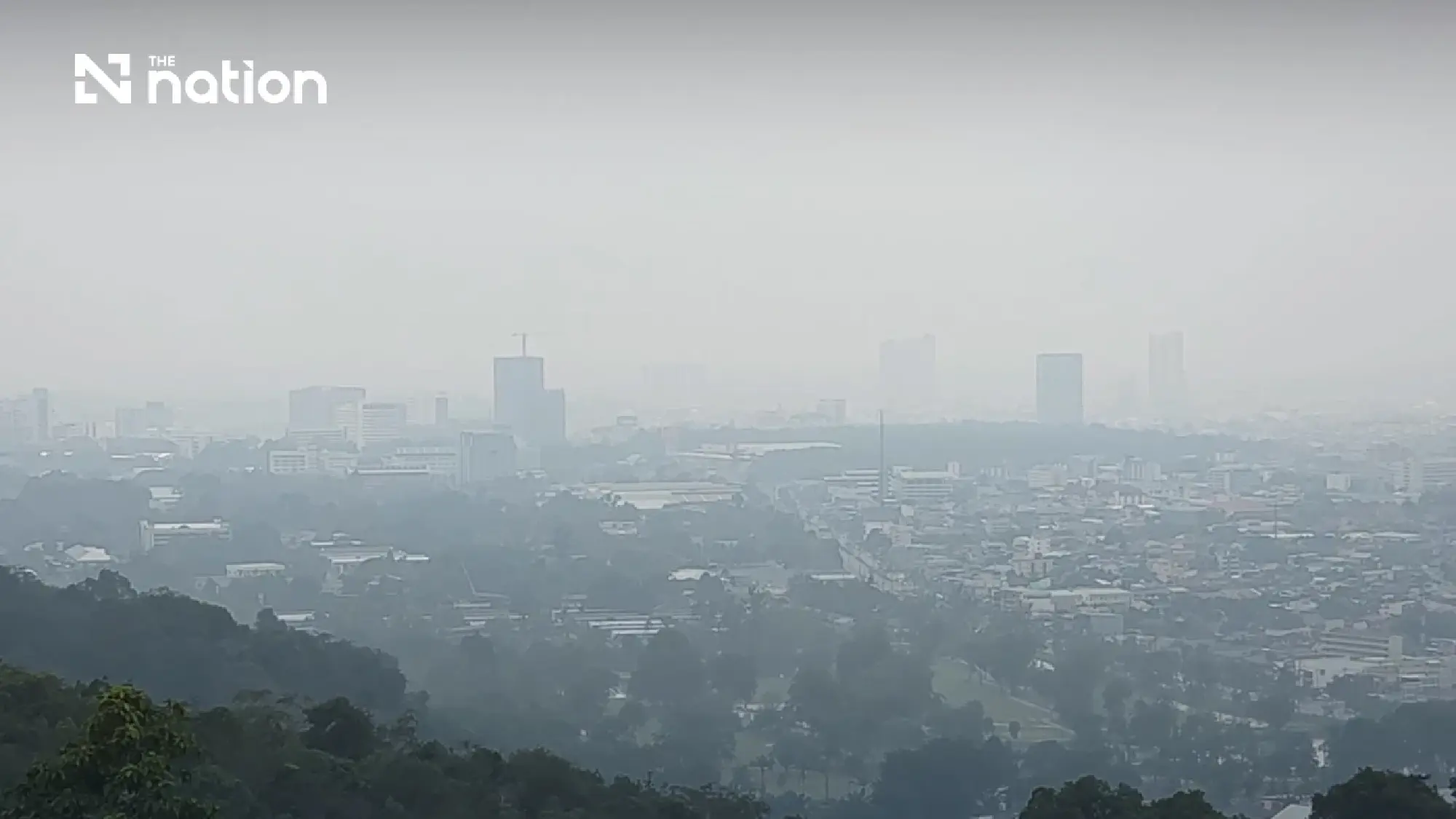

Rain may ease pollution as Thailand prepares ASEAN coordination
The Pollution Control Department said rainfall had covered most areas of southern Thailand over the previous 24 hours, while the Meteorological Department forecast continued rain in many areas until September 21.
The rainfall is expected to help reduce particulate matter levels.
However, wind analysis showed air currents continuing to move from south to north towards southern Thailand. Authorities said air-mass movement assessments indicated that smoke and haze could potentially travel from southern Sumatra into Thailand.
The APMCC said it would continue monitoring and evaluating the situation.
If Thailand experiences clear impacts from transboundary haze, the centre will coordinate with relevant agencies and prepare a request to the ASEAN Secretariat for cooperation from affected countries to reduce hotspot activity and limit the impact of haze on the public.
Residents in southern Thailand, particularly in the Lower South, have been advised to check air quality through the Air4Thai application and Pollution Control Department channels.
If PM2.5 levels reach levels that may affect health, people should reduce outdoor activities and follow advice from relevant authorities.
