
Indonesian fires put southern Thailand on haze watch
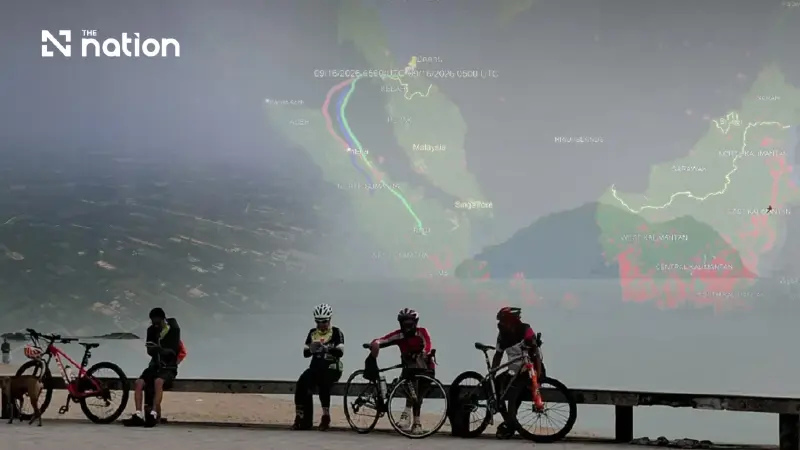


Southern Thailand faces cross-border haze risks as Indonesian hotspots rise, while reported daily PM2.5 readings remain within the national standard.
Thailand’s Pollution Control Department (PCD) has warned residents in southern border provinces to monitor the risk of cross-border smoke from Indonesia, where forest fires and a surge in hotspots have raised concerns about worsening regional air quality.
The department’s air pollution communication centre released detailed monitoring data as the ASEAN Specialised Meteorological Centre (ASMC) maintained its highest regional haze warning, Level 3.
Hot, dry conditions associated with El Niño have fuelled fires and increased hotspot activity in Indonesia, heightening the risk of smoke spreading to neighbouring countries.
Satellite data from the Geo-Informatics and Space Technology Development Agency (GISTDA) recorded 12,241 hotspots in Indonesia on September 15, 2026. The centre reported that no hotspots were detected in Thailand on the same date, while winds were carrying smoke northwards towards the country’s southern border.

Southern air-quality readings remain within the standard
Despite the regional warning, reported 24-hour average concentrations of fine particulate matter (PM2.5) across southern Thailand ranged from 11.6 to 15.5 micrograms per cubic metre (µg/m³) on September 16, 2026. The centre classified the readings as good to very good and within the national standard.

The reported 24-hour average PM2.5 concentrations on September 16, 2026 were as follows:
- Chumphon Provincial Stadium, Tha Taphao subdistrict, Mueang Chumphon district, Chumphon: 11.6 µg/m³.
- Regional Environment Office 14, Makham Tia subdistrict, Mueang Surat Thani district, Surat Thani: 13.9 µg/m³.
- Elderly Health Rehabilitation Centre, Khlang subdistrict, Mueang Nakhon Si Thammarat district, Nakhon Si Thammarat: 13.7 µg/m³.
- Thara Park, Pak Nam subdistrict, Mueang Krabi district, Krabi: 11.8 µg/m³.
- Phuket City Municipality Public Health Service Centre, Talat Yai subdistrict, Mueang Phuket district, Phuket: 14.2 µg/m³.
- Phatthalung Provincial Stadium, Khao Chiak subdistrict, Mueang Phatthalung district, Phatthalung: 13.9 µg/m³.
- Trang Polytechnic College, Na Ta Luang subdistrict, Mueang Trang district, Trang: 13.7 µg/m³.
- Hat Yai City Municipality, Hat Yai subdistrict, Hat Yai district, Songkhla: 14.4 µg/m³.
- Satun Provincial Hall, Phiman subdistrict, Mueang Satun district, Satun: 13.7 µg/m³.
- Pattani Provincial Forestry Centre, Rusamilae subdistrict, Mueang Pattani district, Pattani: 15.4 µg/m³.
- White Elephant Ceremony Ground, Sateng subdistrict, Mueang Yala district, Yala: 15.4 µg/m³.
- Betong Town Municipality Child Development Centre, Betong subdistrict, Betong district, Yala: 15.2 µg/m³.
- Narathiwat Provincial Hall, Bang Nak subdistrict, Mueang Narathiwat district, Narathiwat: 15.5 µg/m³.
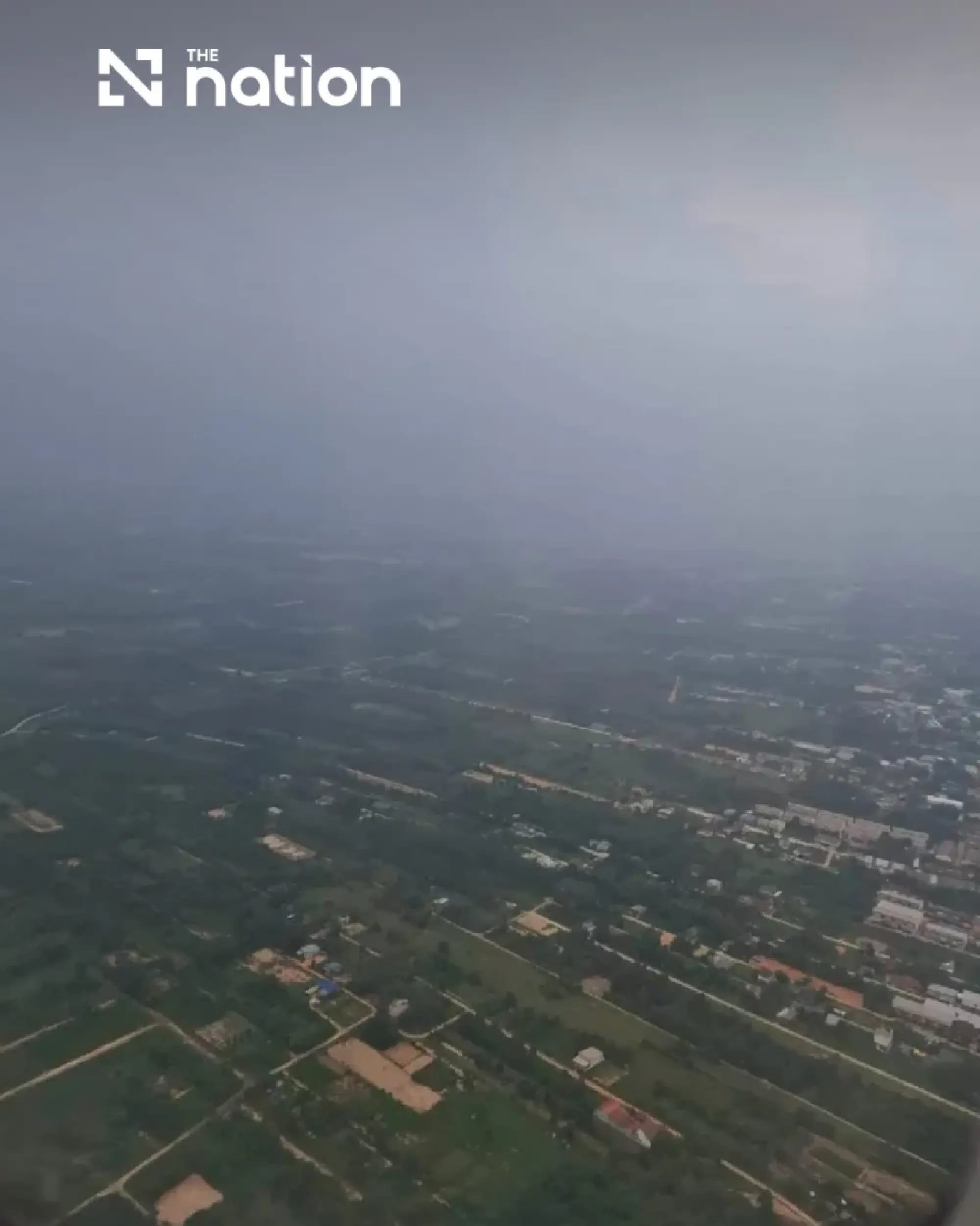

High humidity contributes to murky skies
The centre explained that the thick, haze-like conditions visible outdoors were not caused by particulate pollution alone.
Relative humidity in the South had exceeded 90%, accompanied by rain and stagnant air with low ventilation rates. Water vapour combining with fine particles formed suspended mist droplets that scattered light, making the skies appear noticeably murky.
These conditions meant that reduced visibility did not necessarily indicate high concentrations of harmful particles alone.

Southern border communities urged to remain vigilant
The centre is coordinating urgently with the ASEAN Secretariat to press neighbouring countries to cooperate in reducing hotspots as quickly as possible.
Residents, particularly those in Yala, Pattani and Narathiwat, were urged to monitor conditions closely. Air-mass modelling indicated that winds could bring additional smoke into the area at any time.
Hourly particulate readings are available through the Air4Thai application. Residents can also follow updates on the Pollution Control Department’s Facebook page.
