
Thai police warn travellers over ‘carry-for-hire’ risks after Melbourne heroin arrest
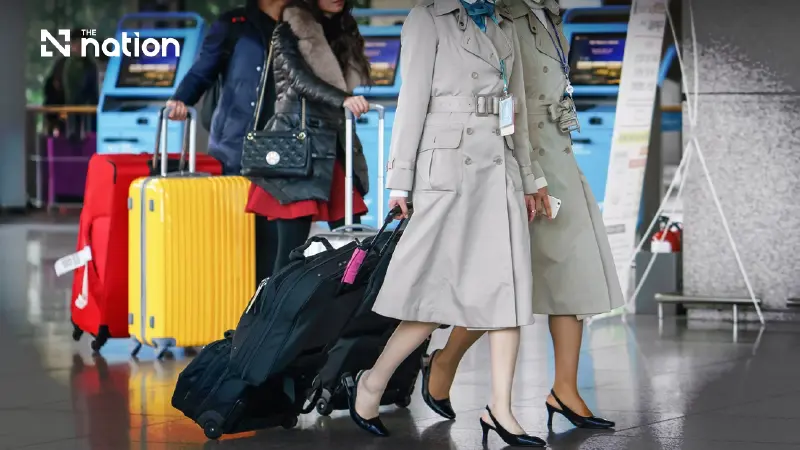


Thai police have warned travellers not to accept luggage or items from others after a Thai airline employee was arrested in Melbourne over alleged heroin importation.
The Royal Thai Police have warned Thai travellers and airline staff against accepting luggage or parcels from other people after a Thai airline employee was arrested in Australia over alleged heroin importation.
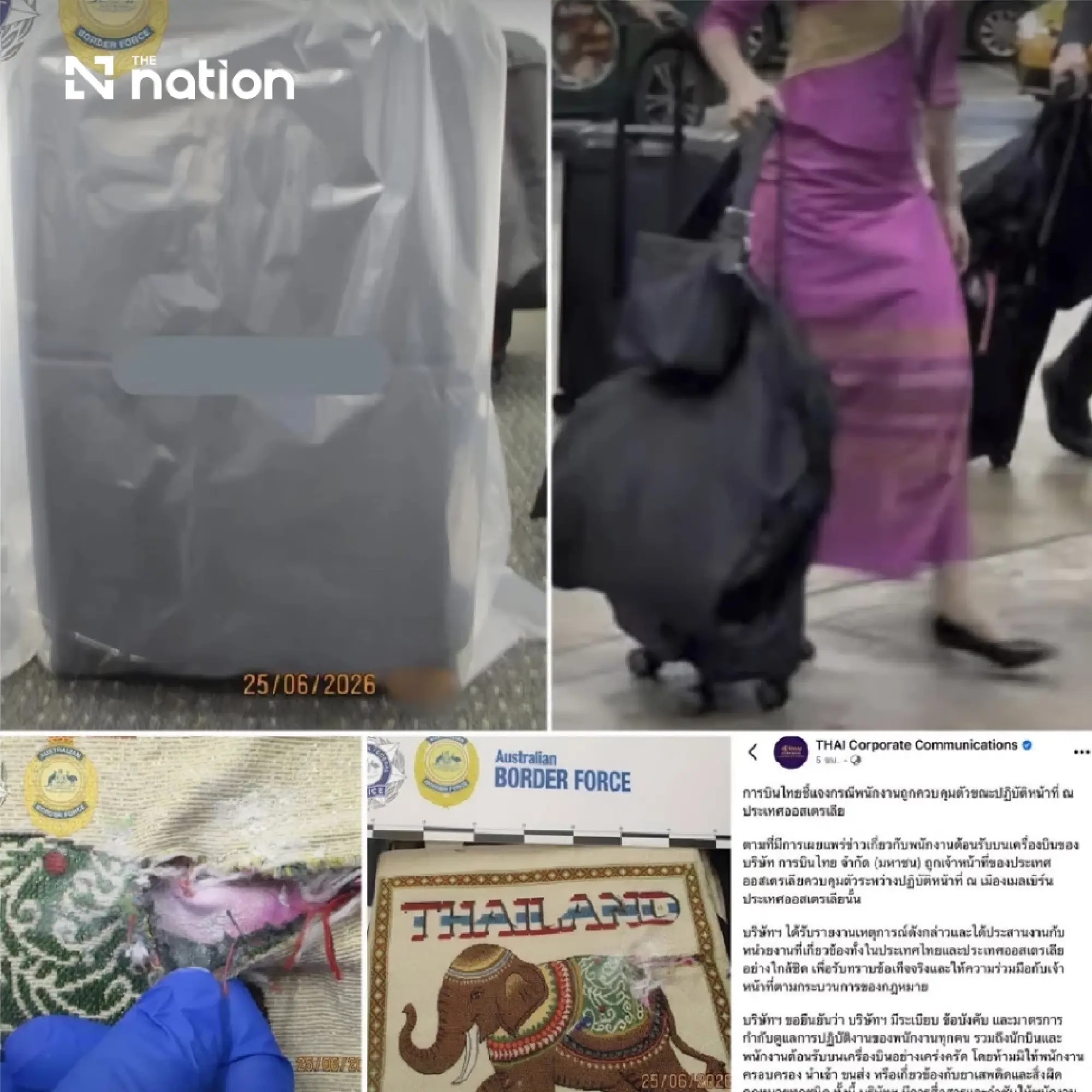
The warning follows a high-profile case in which Australian authorities charged a 26-year-old Thai airline employee after more than 1 kilogramme of suspected heroin was allegedly found in her baggage at Melbourne Airport. The Australian Federal Police said the drugs had an estimated street value of about A$500,000 and that the offences carry a maximum penalty of 25 years in prison.
Police: ‘Carrying items for others’ can make travellers suspects
In a public warning titled “Beware: carrying items for others could land you in jail and make you a suspect without knowing it,” the Royal Thai Police urged travellers not to accept bags, parcels, souvenirs or personal items from anyone unless they know exactly what is inside and are legally able to carry them.
Police said criminal networks often exploit trust, friendship, social pressure or offers of small payments to persuade people to carry items across borders. In some cases, travellers may be told the package contains ordinary gifts, snacks or personal belongings, while the real contents are hidden or undisclosed.
Authorities warned that once an item is in a traveller’s possession, especially under their travel documents or airline baggage record, that person may be treated as the legal possessor if illegal goods are found.

Melbourne case raises concern over airline insider risk
The woman was on duty on an international flight when she arrived at Melbourne Airport and was arrested after Australian Border Force screening raised suspicions. Australian police said she was charged with importing and possessing heroin and is due to appear in a Melbourne court in September.
The woman has not been publicly named by Australian authorities. Thai Airways said one of its employees had been detained in Melbourne and that the airline was cooperating with authorities. The airline also said employees are strictly prohibited from possessing, importing, transporting or being involved with illegal substances or items.
The case has drawn attention in Thailand because of concerns that airline employees, frequent travellers and social media users may be targeted by cross-border criminal groups seeking to use them as unwitting carriers.

Travellers urged to reject sealed or unverifiable items
The Royal Thai Police said people should be especially cautious if they are asked to carry items that are sealed, cannot be inspected, or come from people contacted through social media.
Officers also warned against giving in to emotional pressure from friends, acquaintances or online contacts. Even if a person claims they did not know the contents of a bag or package, they may still face investigation, detention and criminal charges in the destination country.
The warning applies not only to passengers but also to airline crew, students, tourists, workers and anyone travelling overseas.
Prohibited and restricted goods carry serious penalties
Police reminded travellers that some items are strictly prohibited from being carried across borders, including narcotics, e-cigarettes, obscene materials and protected wildlife.
Other goods may be restricted and require permits, such as live animals, food, cosmetics, medicine, medical products, communication equipment, plants and plant parts. Travellers carrying such items without proper documentation may face customs or criminal charges.
Authorities urged the public not to risk their future for small payments, favours or personal obligations, saying cross-border offences can result in severe punishment overseas, including long prison terms.
