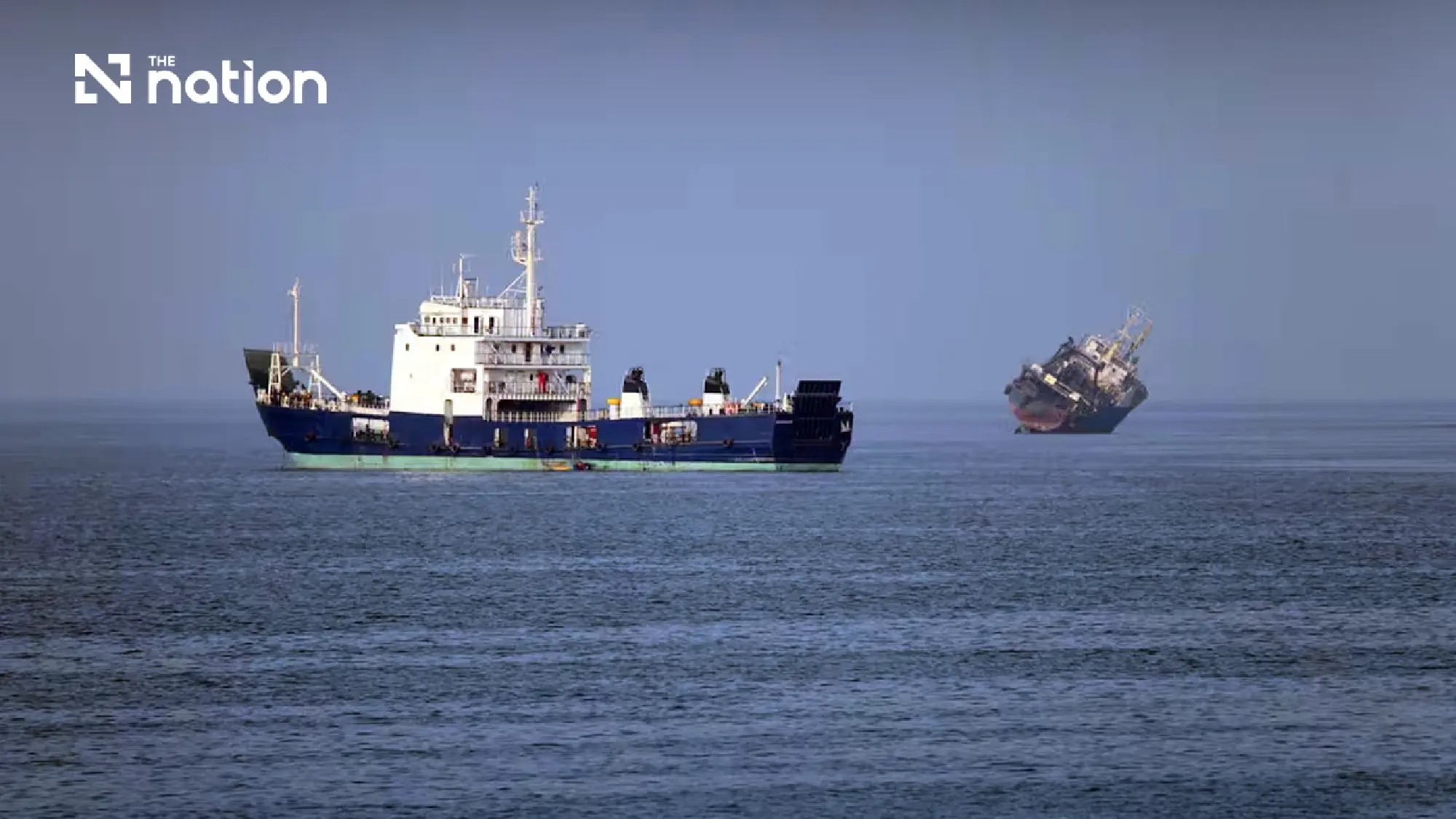
Oil prices rose more than US$2 as stalled US-Iran diplomacy and sharply reduced Strait of Hormuz traffic renewed global supply concerns
Brent crude oil prices rose above $90 a barrel, gaining more than 2% due to concerns over global energy supplies.
The price increase is driven by a diplomatic impasse between the U.S. and Iran, with faltering negotiations unsettling the market.
Commercial shipping traffic through the vital Strait of Hormuz has plunged, with vessel transits dropping from 31 the previous weekend to just five.
Oil prices gained more than US$2 on Monday (August 17) as faltering US-Iran diplomacy and a sharp slowdown in shipping through the Strait of Hormuz renewed concerns about global energy supplies.
The market ended the session with both major benchmarks up more than 2%:
Brent crude futures rose US$2.35, or 2.65%, to settle at US$90.87 a barrel.
US West Texas Intermediate crude gained US$2.10, or 2.55%, to US$84.50 a barrel.
The two benchmarks had already advanced by more than 5% during the previous week following attacks on tankers operated by the Abu Dhabi National Oil Company and on a Saudi Aramco refinery.
Hormuz traffic falls sharply
Ship movements through the Strait of Hormuz slowed considerably over the weekend, according to tracking information from commodities-data company Kpler.
Saturday: five commodity vessels crossed the strait.
Sunday: no commodity-vessel transits were recorded.
Previous weekend: 31 commodity vessels made the crossing.
The decline in vessel movements has left traders assessing whether the disruption will deepen or whether an eventual diplomatic settlement could allow shipments to recover.
Bjarne Schieldrop of SEB Research said prices were unlikely to rise substantially unless the remaining night-time crude movements through Hormuz stopped or the Bab el-Mandeb Strait was closed.
He said prices near US$90 reflected a balance between the possibility of deeper shortages and the prospect that an agreement could reopen Hormuz and push oil sharply lower.
US-Iran diplomatic impasse unsettles market
US President Donald Trump said Washington did not intend to extend its memorandum of understanding with Iran and expressed doubt that Tehran would accept the agreement he considered necessary.
Trump called on Iran to raise a “white flag of surrender” and threatened military action against Oman if it obstructed an agreement.
A senior Iranian official separately told Reuters that Tehran could intensify tensions in and beyond the Strait of Hormuz and launch an attack if the United States failed to implement an interim peace agreement fully within weeks.
Iranian Foreign Minister Abbas Araghchi said Tehran had not decided whether to resume negotiations with Washington.
Foreign Ministry spokesperson Esmaeil Baqaei said discussions with Oman over managing the strait were continuing but had been prolonged by the complexity of the issue and the number of parties involved.
Frank Walbaum, a market analyst at Naga.com, said restricted shipping and stalled negotiations were limiting the potential for a further decline in oil prices. Without a new development, he expected prices to remain close to current levels.
Phil Flynn, senior analyst at Price Futures Group, summed up the market reaction by saying: “As the rhetoric heats up, so do the prices.”
Gulf producers are seeking ways to maintain deliveries to Asian customers despite the disruption.
The Abu Dhabi National Oil Company sold at least 14 million barrels of spot crude to Asian refiners at premiums in its latest tender, according to trade sources.
Saudi Aramco was also offering some Asian refiners crude that could be supplied from outside the Strait of Hormuz, two people familiar with the matter said.
US reserve falls to lowest level since 1982
US Energy Secretary Chris Wright said Iran was currently unable to export oil because of American economic pressure, but maintained that global markets did not require Iranian supply.
Wright also planned to discuss possible measures to increase fuel production with US refiners as domestic petrol prices remained elevated.
US refiners were already operating at high rates because stronger fuel prices had increased refining margins.
Meanwhile, crude oil held in the US Strategic Petroleum Reserve fell by approximately 5.3 million barrels during the previous week.
Remaining reserve: 293.4 million barrels
Weekly reduction: approximately 5.3 million barrels
Reserve level: lowest since December 1982
Planned total release: 172 million barrels
The US Department of Energy has said the 172-million-barrel drawdown forms part of an internationally coordinated emergency release intended to address energy-market disruption.