
Nan records 254mm rain, over 16,000 affected in Pua



Authorities prepared seven evacuation sites, field kitchens, road repairs and water-system restoration while Nan remained at risk through August 21.
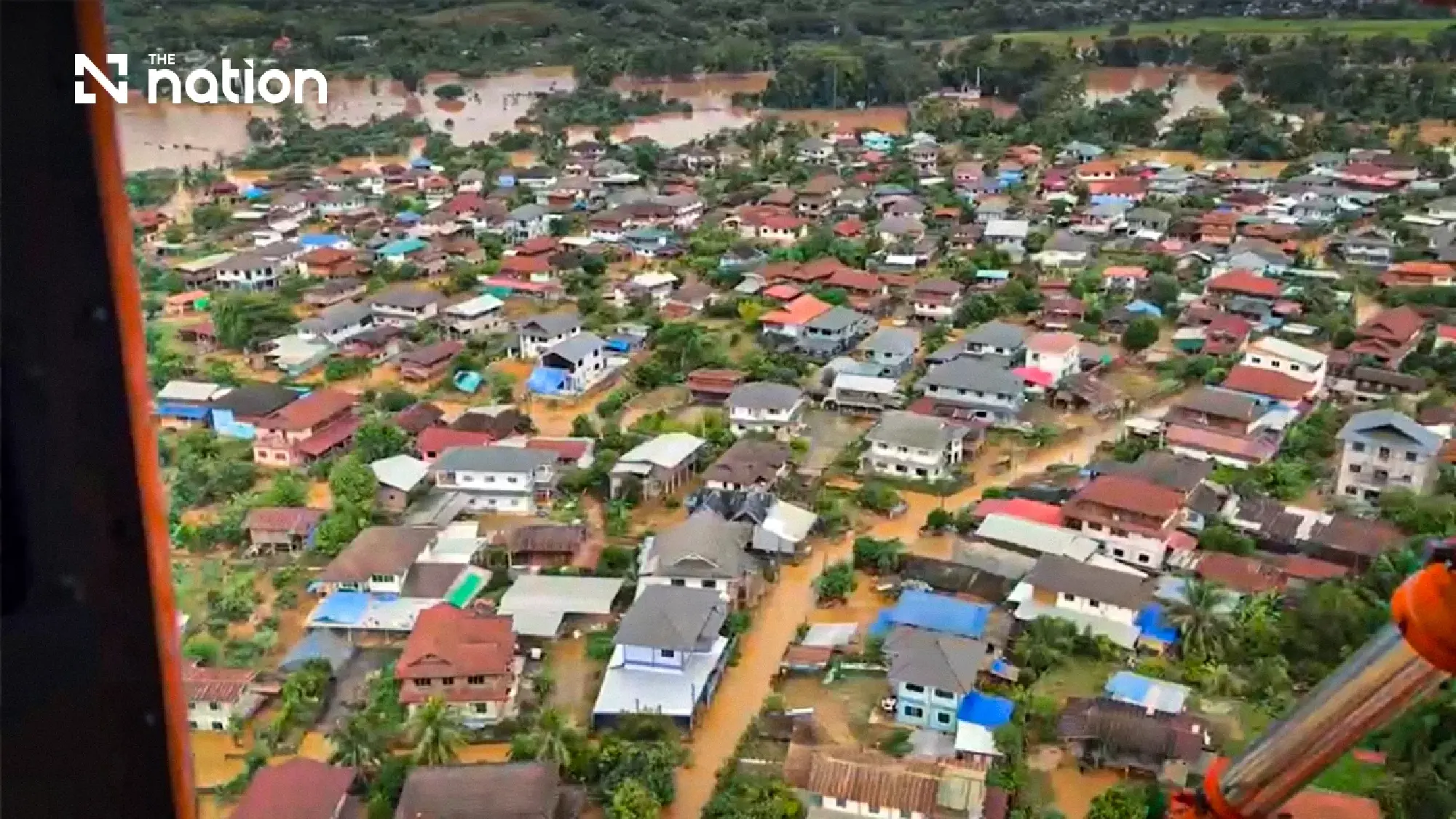
Nan registered the North’s highest rainfall reading at 254 millimetres as of 7am on Thursday (August 20, 2026), while authorities expanded evacuation, relief and recovery preparations after local figures showed that flooding had affected more than 16,000 people in Pua district.
The impact figures, recorded at 8am on Wednesday, covered Pua, Santi Suk and Mae Charim districts. Pua was the hardest hit, with seven subdistricts and 60 villages affected, involving about 8,000 households.
Nan province established an incident command centre at Pua district office and prepared to move residents from high-risk communities to seven designated safe locations.
Authorities also arranged shelters and field kitchens, sought the establishment of a royally sponsored field kitchen and instructed local administrative organisations to prepare kitchens at evacuation centres. Crown Prince Pua Hospital was placed on standby to receive and care for flood victims.
Prime Minister and Interior Minister Anutin Charnvirakul said the government had ordered agencies across all sectors to mobilise assistance, with deputy prime ministers, ministers and assistant ministers being deployed to Nan to monitor operations.


Clean-water restoration planned before residents return
Deputy Interior Minister Jeseth Thaiseth surveyed the flooded areas by helicopter on Thursday morning to assess water levels and the extent of the damage before travelling to Pua to follow relief operations.
Jeseth instructed agencies to prepare for the period after the floodwater recedes by inspecting water-production facilities, pumping systems and distribution networks.
Personnel and equipment were to be positioned in advance so clean-water services could resume as quickly as possible when residents began returning to their homes.
Jeseth was also travelling to Wat Beng Sakat in Pua to meet the defence minister and coordinate the deployment of personnel, equipment and other resources for relief and rehabilitation work.

On Wednesday evening, he joined officials aboard a flat-bottomed boat to evacuate residents from high-risk areas before nightfall amid concern that water levels could rise further. He instructed agencies to treat public safety as their first priority.
Heavy machinery deployed to reopen transport routes
Deputy Transport Minister Phattrapong Phattraprasit instructed the Department of Highways and Department of Rural Roads to send personnel and machinery to routes affected by flooding and landslides.

The equipment included heavy machinery, trucks, excavators and loaders for reopening roads, clearing obstructions and improving drainage.
Officials were also told to monitor vulnerable main and secondary roads, particularly routes linking affected communities, and to coordinate closely with Nan provincial and local authorities.
The Department of Airports was placed on standby to assist passengers and maintain safety at Nan Nakhon Airport and nearby airports.

JIC Nan to issue verified updates twice daily
Prime Minister’s Office Minister Supamas Isarabhakdi instructed the Public Relations Department and MCOT to monitor the floods continuously and support official crisis communication.
The Public Relations Department established the Joint Information Centre for Nan, or JIC Nan, to coordinate information from agencies operating in the province and reduce confusion caused by reports that had not been verified.

The centre will issue scheduled updates at 10am and 4pm each day. Immediate warnings will be released if heavy rain, flash floods or landslides occur, along with information on evacuation centres, assistance and public-health services.
Flood and landslide threat remains through August 21
The Office of the National Water Resources maintained its warning for run-off and waterlogging from August 19 to 21, citing a monsoon trough, a relatively strong southwest monsoon and accumulated rainfall.

Nan was among the provinces identified as being at risk of flash floods, run-off, landslides, overflowing waterways and urban waterlogging.
Although agencies had begun planning for road, water-supply and community recovery, the province remained under close watch for further flooding and landslides through Friday (August 21).
