
Court rejects damages bid against CPF over blackchin tilapia



The court dismissed a request for CPF to compensate the state on standing grounds and ordered action against blackchin tilapia within 180 days.
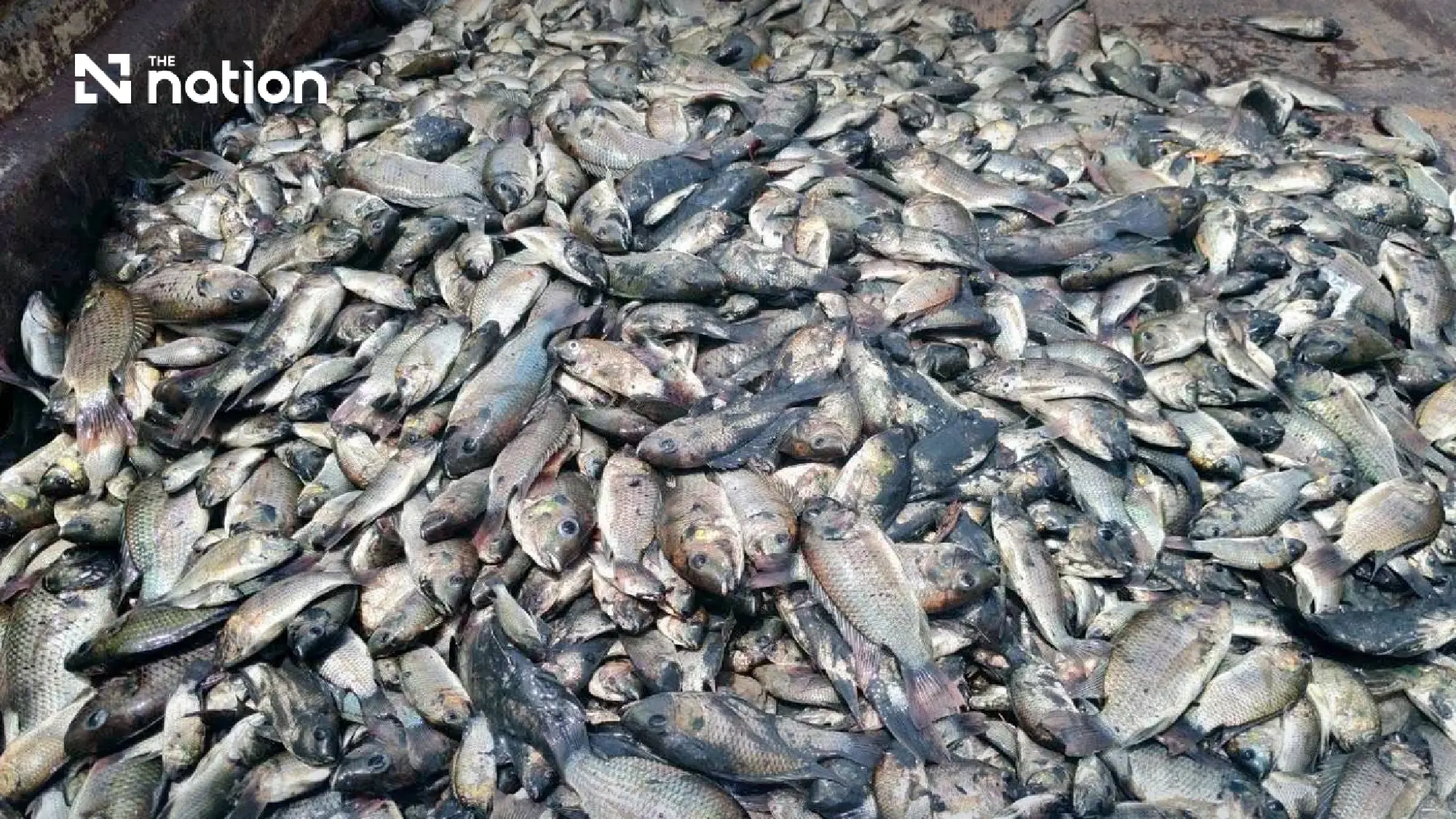
The Central Administrative Court has dismissed a request seeking to make Charoen Pokphand Foods Public Company Limited (CPF) and other parties compensate the state for damage caused by the spread of blackchin tilapia, while ordering government agencies to implement control measures within 180 days.
The ruling, delivered on Tuesday (September 8, 2026), concerned Black Case No. Sor 14/2567, brought by 54 plaintiffs against the Department of Fisheries and 17 other respondents. The court found that the department had neglected its duties to prevent and control alien aquatic species under the Fisheries Act 1947, which was in force at the relevant time.

State agencies ordered to tackle spread
The court ordered the Department of Fisheries and relevant agencies to fulfil their duties under the Royal Ordinance on Fisheries by controlling, preventing, addressing and suppressing the reproduction and spread of blackchin tilapia in affected areas.
The department must implement the 2024-2027 action plan to address the blackchin tilapia outbreak, alongside any additional measures necessary. The Agriculture and Cooperatives Ministry must oversee implementation and provide resources to ensure the measures deliver results within 180 days.

Emergency relief designation to be considered
The court also ordered the interior minister to consider instructing the Samut Songkhram governor to consider designating affected areas in Amphawa, Mueang Samut Songkhram and Bang Khonthi districts as emergency disaster assistance zones.
The designation would specifically cover people who had suffered damage from the spread of blackchin tilapia. This process must be completed within 90 days of the case becoming final.

Compensation request dismissed on standing grounds
The plaintiffs had sought to have CPF, which participated in the proceedings as an intervener, held responsible for compensating the state under Section 97 of the Enhancement and Conservation of National Environmental Quality Act 1992.
However, the court found that such action would not remedy the hardship or damage suffered by the plaintiffs themselves. They therefore lacked standing — the legal right to bring that part of the case — and the court dismissed the request without ruling on its merits.
The dismissal concerned the plaintiffs’ right to pursue compensation for the state, rather than a determination of whether CPF was liable for the damage.
