Thailand’s navy chief says frigate selection must ensure equal treatment, scrutiny, value over the ship’s service life and technology transfer
On September 18, the Royal Thai Navy commander-in-chief publicly denied that the frigate procurement process was biased or that its specifications were tailored to favor any specific bidder.
To ensure transparency and fair competition, the navy chief cited five principles guiding the selection: legal compliance, transparency, equal treatment, long-term value, and maximum national benefit for Thailand.
The commander defended the strict application of rules, explaining that bidders cannot amend proposals after they are opened, as doing so would be unfair to compliant companies and unlawful.
The statement was made to address public scrutiny and what the navy called inaccurate information, asserting that the process is open and decisions are based on facts without interference.
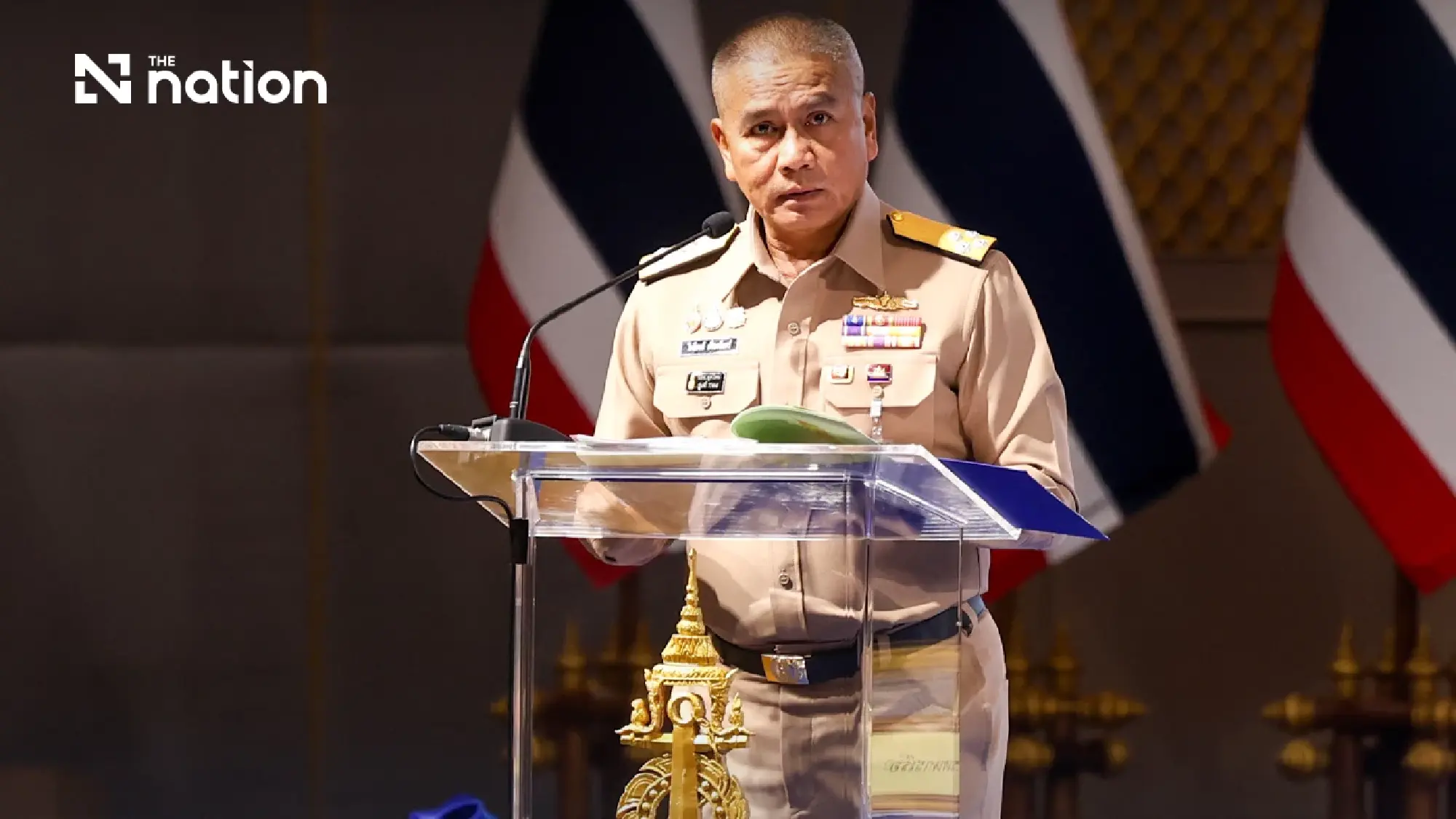
Royal Thai Navy commander-in-chief Adm Pairote Fuangchan on September 18, 2026 denied that frigate procurement specifications had been tailored to favour any bidder, outlining five principles he said would ensure transparency, fair competition and value for taxpayers.
Addressing public scrutiny of the navy’s frigate procurement programme, Adm Pairote said the briefing aimed to explain the process openly and correct what he described as inaccurate information in news reports and on social media. The project involved substantial taxpayer funding and national security, making public interest, concerns and questions understandable, he said.
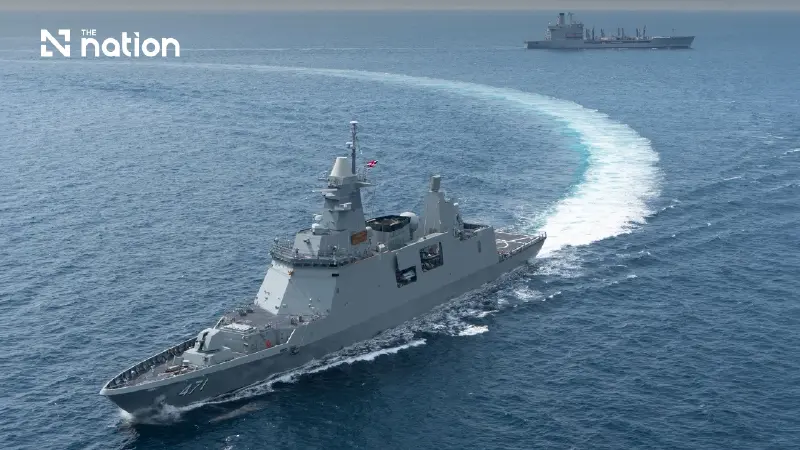
Adm Pairote described frigates as central to protecting Thailand’s sovereignty, shipping routes and maritime interests. The purchase was intended to meet those responsibilities, with requirements he said were considerably more demanding than ordinary standards.
Whichever company won the selection, Adm Pairote said, the vessel would have to deliver strong combat capability and protect the lives of navy personnel.
Five principles for selecting the shipbuilder
Adm Pairote said he had instructed the selection committee and all officials involved to follow five principles strictly, reiterating them at every committee level:
Legal compliance: Follow the laws, regulations and procedures governing public procurement.
Transparency: Make every stage open to scrutiny, with observers monitoring the process from start to finish under an integrity pact with an anti-corruption organisation.
Equal treatment: Treat all bidders fairly and equally under the rule of law.
Value throughout the ship’s service life: Assess long-term value, rather than simply choosing the lowest price at delivery.
Maximum national benefit: Secure the greatest benefit for Thailand and the navy, including technology transfer and support for domestic industry.
Why bids cannot be amended after opening
Responding to concerns about exclusion or specifications favouring a particular bidder, Adm Pairote said every company had received the same rules and conditions from the outset. Companies had also been given opportunities to ask questions so that all participants understood the requirements.
Adm Pairote said that when a company failed to meet essential conditions, the committee could not allow it to submit additional documents or amend its proposal after bids had been opened.
Allowing such changes would undermine fairness and infringe the rights of companies that had prepared complete, compliant submissions, Adm Pairote argued. He said it would also create an unlawful precedent and lead to continuing problems in public procurement.
Adm Pairote maintained that enforcing the requirements protected the rules and the interests of all participants, rather than unfairly excluding any company.
Whole-ship capability and long-term support
Adm Pairote said the navy assessed the frigate as an integrated vessel, considering combat readiness, long-term maintenance and upgrades alongside economic and technological benefits for Thailand.
Comparing the decision with buying a car, Adm Pairote said different buyers might prioritise engine performance, luxury, comfort, safety, the durability of parts or after-sales service. Naval personnel, he added, had spent their working lives with ships and understood what mattered most for survival and success during a maritime crisis.
Adm Pairote said choosing a frigate therefore required more than selecting the best radar, weapons or fastest engine in isolation. All systems had to work together effectively, with high operational readiness and reliable arrangements for maintenance and upgrades throughout the vessel’s service life.
Chief says decisions are free from interference
Adm Pairote assured the public that committee decisions rested on facts and verifiable evidence, without interference. He said officials involved were performing their duties with integrity and accountability to the law and the country.
Public confidence, Adm Pairote said, should come from procedures that were correct, transparent, reasoned and consistently open to scrutiny, rather than from simply asking people to trust the navy.
Adm Pairote said the objective was to obtain the best vessel for the navy, strengthen its combat capability and deliver the greatest possible benefits and value for Thailand.
Frigate tender process and additional benefits
The navy said it invited 11 experienced shipyards and organisations from several countries to obtain the terms of reference (TOR), with six submitting proposals. The TOR underwent consultation and review under the prescribed procedures, with no complaints from participating bidders recorded during the drafting stage.
Among bidders that passed the qualification screening, four failed to meet substantive technical requirements, according to the navy. The shortcomings included missing documents needed to demonstrate the project’s capabilities, efficiency and effectiveness; proposals that did not comply with the scope of work; and conditional offers that hindered assessment of successful delivery and could disadvantage the government.
The procurement committee conducted a detailed, evidence-based evaluation, applying the same criteria and standards to all bidders. Only documents and evidence submitted within the prescribed deadline were considered.
The committee unanimously determined that the four bidders had failed the technical assessment. The navy said one bidder remained whose proposal and supporting documents were complete and compliant.
Following assessment against all criteria, the committee selected Hanwha Ocean Co., Ltd. of South Korea for the high-performance frigate project. The negotiated price was 16.73 billion baht, or 270 million baht below the project budget, representing a reduction of approximately 1.6%.
The price included value-added tax, other taxes and duties, transport, insurance and all related expenses.
According to the navy, Hanwha’s final offer following negotiations included an offshore patrol vessel design to provide technical knowledge and help develop domestic ship design and construction capabilities. It also included an Unmanned Surface Vehicle (USV) design intended to strengthen surveillance capabilities and support modern naval operations.
Hanwha additionally offered rights to access technical knowledge and further develop a tactical data link and a Combat Management System (CMS).
The navy said these rights and technical knowledge would help reduce reliance on foreign suppliers and enable it to upgrade, integrate and develop systems to meet Thailand’s future requirements. They would also help establish a foundation for practical participation by the domestic defence industry and Thai personnel.