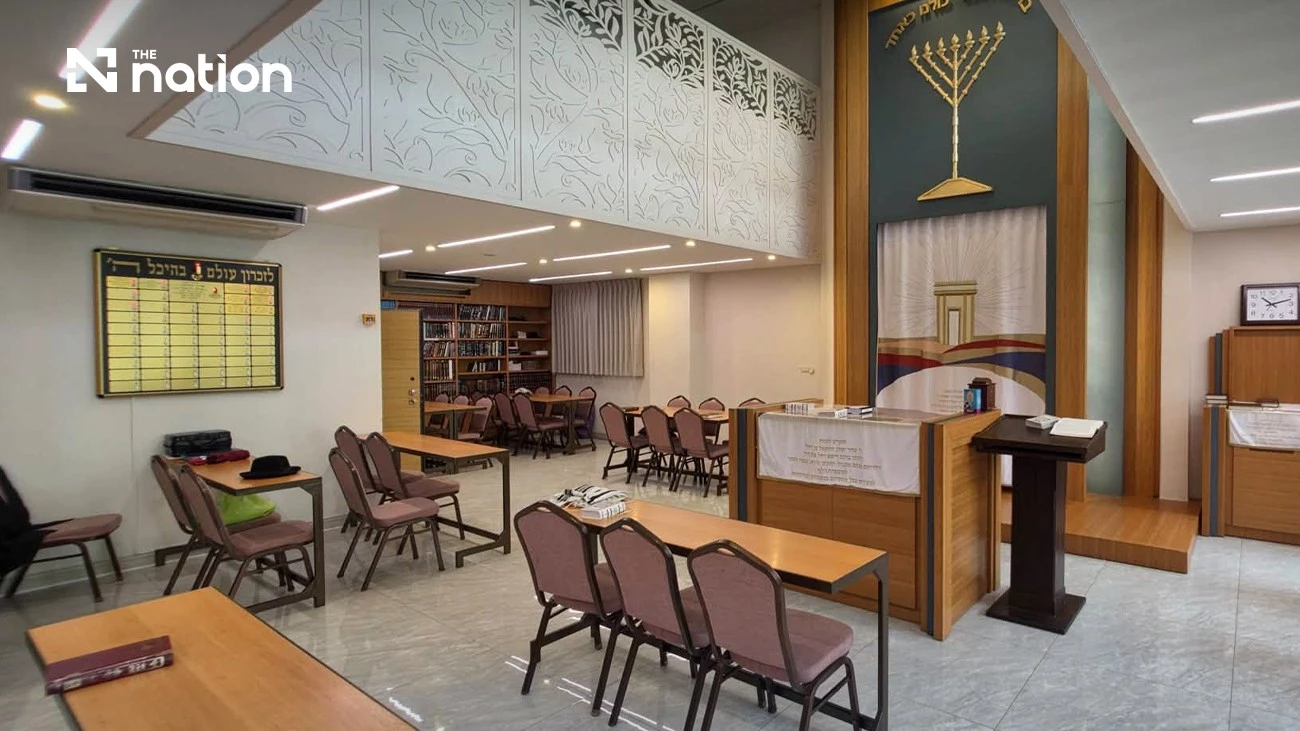
DSI widens Israeli-linked probe in 3 Bangkok raids on Oct 8



Bangkok searches uncover records for more than 61 companies at one address and alleged work-permit breaches as an Israeli-linked business probe widens.
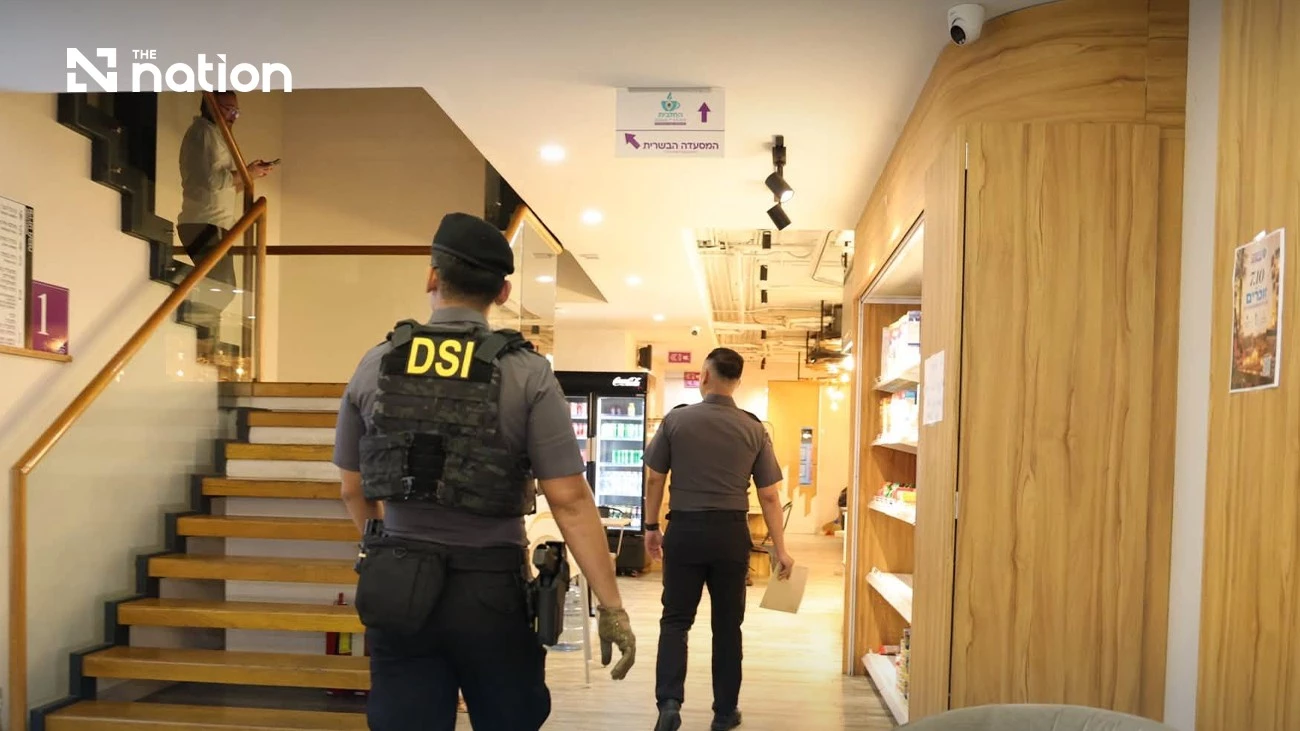
- Thailand's Department of Special Investigation (DSI) raided three Bangkok locations on October 8 to expand its investigation into Israeli-linked businesses.
- The probe focuses on the suspected use of Thai nominee shareholders to circumvent foreign business ownership laws, with investigators tracing who ultimately controls and benefits from the companies.
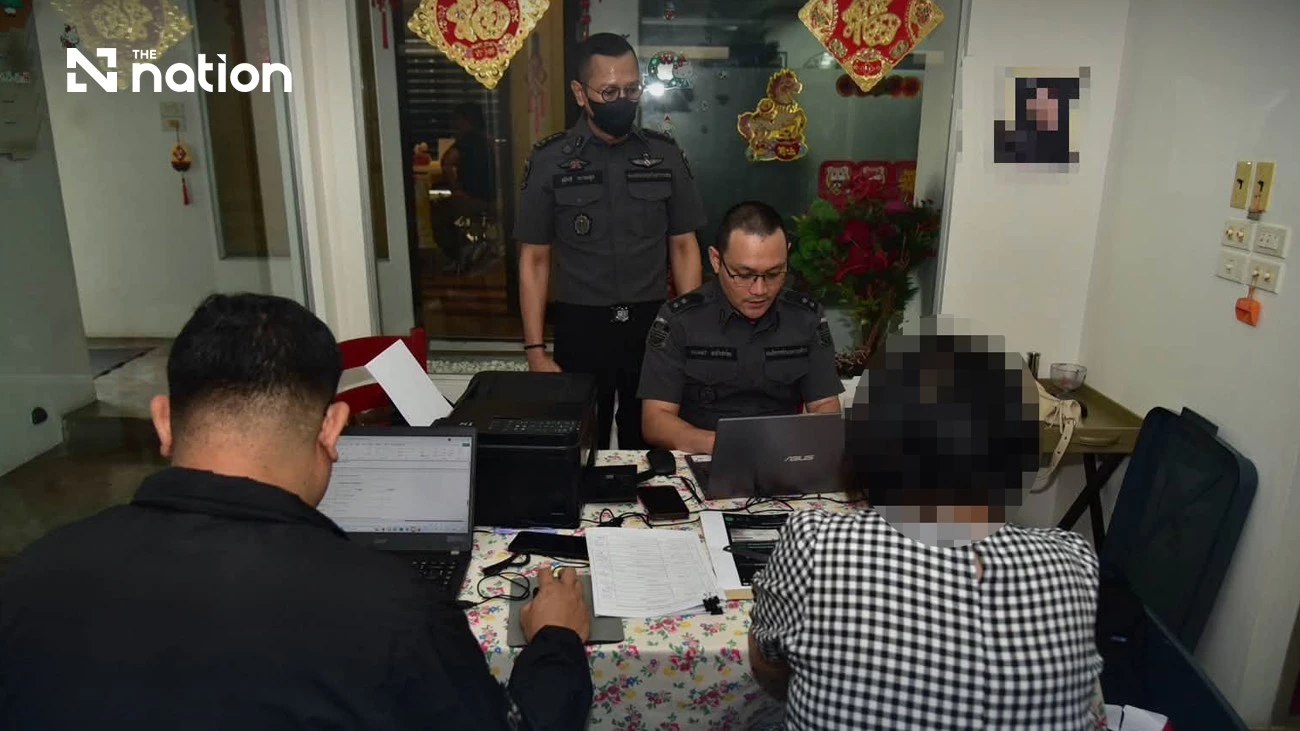
- During the raids, authorities found documents for over 61 companies registered at one address and discovered several undocumented foreign workers at two other sites.
- This action follows a related case in Chon Buri where the DSI charged a company, an Israeli director, and a Thai shareholder for violating the Foreign Business Act.
Thailand’s Department of Special Investigation (DSI) searched three Bangkok locations on October 8, 2026, as it expanded an investigation into the suspected use of Thai nominee shareholders by Israeli-linked businesses.
The multiagency operation, codenamed “Yuttharat”, examined connections between individuals, companies, foundations, associations, assets and financial transactions, the DSI said. Investigators are tracing who controls and ultimately benefits from the businesses, their sources of funding, asset ownership and compliance with Thai law.
The DSI said its inquiry also covers cases involving the acquisition of Thai citizenship, as part of checks on activities that could affect Thailand’s economic security, resources, public order and national interests.
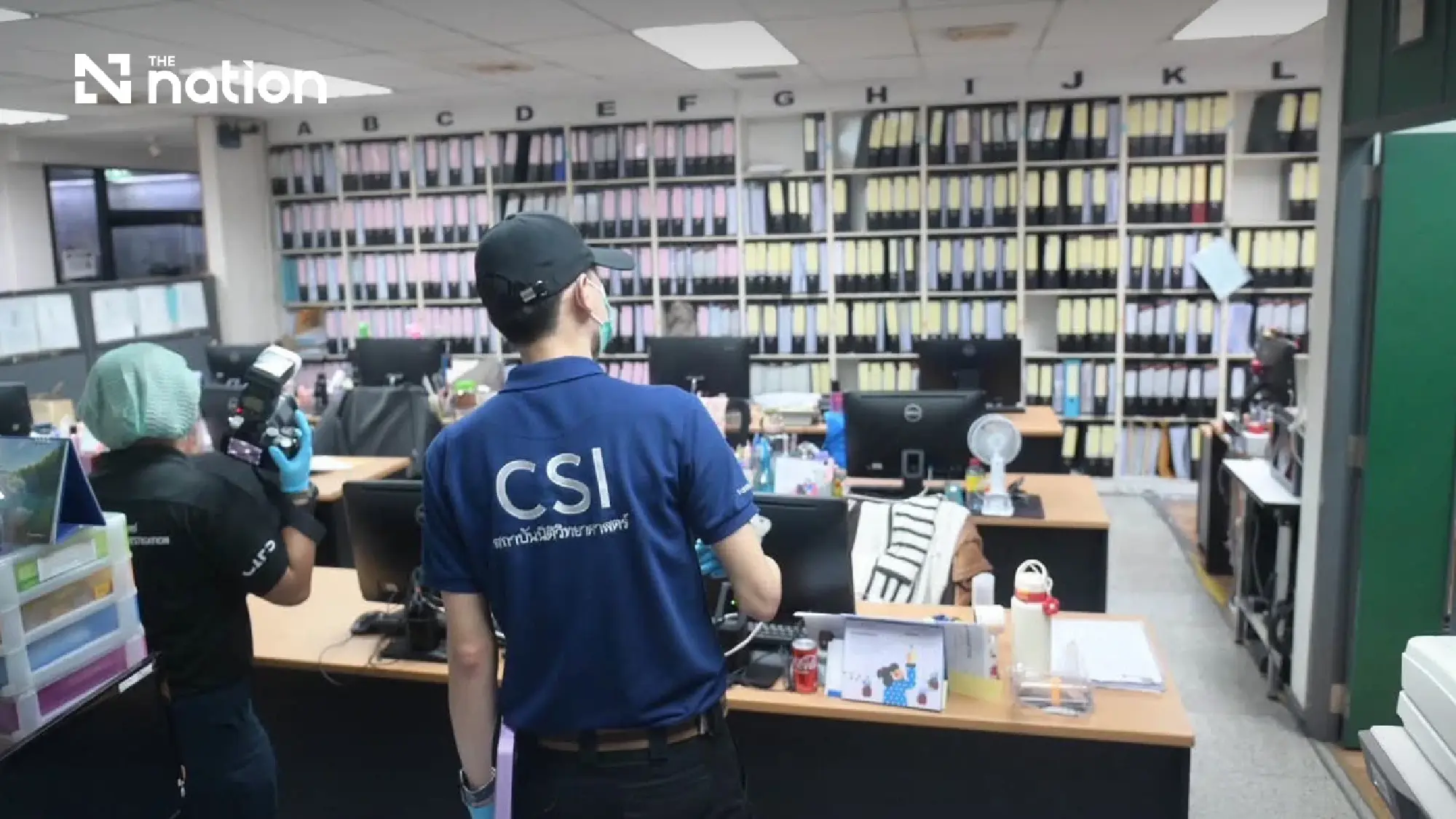

DSI finds records for more than 61 companies in Bang Rak
Investigators searching Gan Chabad Co., Ltd. in Bangkok’s Bang Rak district found documents concerning more than 61 companies registered at the same office address, according to the DSI.
Records discovered at Gan Chabad covered foundation and association registrations, donations, membership lists, land purchases and sales, building construction and tax filings. Investigators also found documents concerning Chabad House operations, restaurant licences and hotel or accommodation businesses, the DSI said.
Preliminary checks identified the same group of people appearing as directors or shareholders in several companies, including individuals who had obtained Thai citizenship through naturalisation, according to the DSI. Investigators are examining the corporate relationships and the legality of the business arrangements.


Five workers allegedly lacked permits at two Bangkok sites
At the Chabad foundation in Bangkok’s Phra Nakhon district, investigators found three Myanmar nationals allegedly working without permits, the DSI said. Authorities also alleged that the three had entered and remained in Thailand without authorisation.
The DSI cited suspected breaches of the 2017 emergency decree governing foreign workers’ employment, as amended, and the Immigration Act 1979. Authorities began legal proceedings against one employer at the Phra Nakhon premises for allegedly employing foreign nationals without work permits.
At the Jewish Association of Thailand in Khlong Toei district, investigators found two Lao nationals allegedly working without permits, according to the DSI. Legal proceedings were also initiated against one employer under the foreign workers’ employment decree.
Cosy Beach View and two individuals face business-law charges
The DSI said the Bangkok operation followed searches of three locations in Chon Buri on August 21, 2026, under Special Case No. 135/2569. The case concerns allegations that Cosy Beach View Co., Ltd. and associated parties circumvented or violated the Foreign Business Act 1999.
The DSI said investigators formally notified three suspects of charges on October 7:
- Cosy Beach View Co., Ltd., the first suspect, was accused of operating a business as a foreign entity without the required authorisation.
- An Israeli national serving as a company director, the second suspect, was accused of knowingly consenting to the alleged offence or failing to take reasonable measures to prevent it while acting as a director or authorised representative of the company.
- A Thai national holding shares in the company, the third suspect, was accused of unlawfully assisting, supporting or jointly conducting a foreigner’s business.
The DSI said evidence gathered during the Bangkok searches would be used to expand the investigation and forwarded to agencies with the authority to consider further action under the relevant laws.
Earlier nominee investigations targeted Israeli-linked businesses
Thailand’s wider crackdown has included investigations into Israeli-linked property, hotel and wellness businesses on Koh Samui and Koh Phangan. It was reported in July that the Department of Business Development had referred 34 suspected nominee companies to the DSI, with initial searches covering five targets involving Chinese- and Israeli-linked businesses.
Investigators in the island cases examined the sources of investment funds, who exercised effective control over companies and whether Thai shareholders were genuine investors or held shares on behalf of foreigners.
A separate September investigation examined Gan Chabad-linked businesses over land holdings and possible nominee arrangements following an inquiry into a cemetery in Chachoengsao. Officials said Gan Chabad was registered as a Thai legal entity and its authorised directors held Thai citizenship, while questions about nominee arrangements concerned other companies and transactions under examination.
The DSI, under the Justice Ministry, said Thailand remained open to foreign nationals who reside, invest, conduct business or undertake other activities in good faith and in compliance with Thai law.
However, the DSI said that openness, along with the rights and mechanisms provided by Thai law, must not be used to evade legal restrictions, exploit national resources unlawfully or establish arrangements that could create conflict and threaten national security.