
Industry minister plans more Prachin Buri factory closures on October 14 after three shut
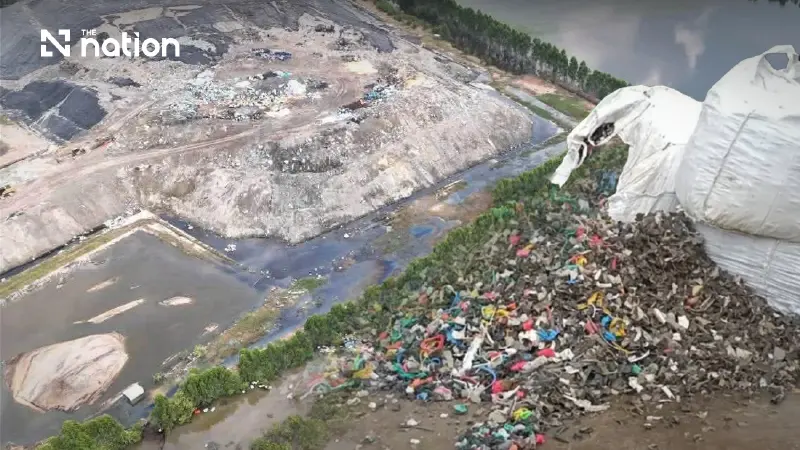


Thailand’s industry minister urges Prachin Buri residents to avoid contaminated water as officials investigate the source of pollution.
- Thailand's Industry Minister will close more factories in Prachin Buri on October 14, adding to three that have already been shut down.
- The closures are a response to water contamination, with surveys detecting heavy metals and high levels of petroleum hydrocarbons near an industrial waste landfill.
- The shutdowns are being enforced under the Factory Act, targeting operators who fail to comply with legally mandated improvements.
- The minister is also calling for tougher future penalties for illegal industrial waste dumping, including higher fines and asset seizure.
Industry Minister Varawut Silpa-archa announced plans for further factory closures in Thailand’s Prachin Buri province on October 14, 2026, following shutdowns at about three sites. Varawut also urged residents to avoid contact with contaminated water as officials investigated its source.
Surveys by the Pollution Control Department (PCD) and the Department of Industrial Works (DIW) had detected heavy metals in relatively small quantities in Prachin Buri water, according to Varawut. The minister could not identify which factory the metals came from.
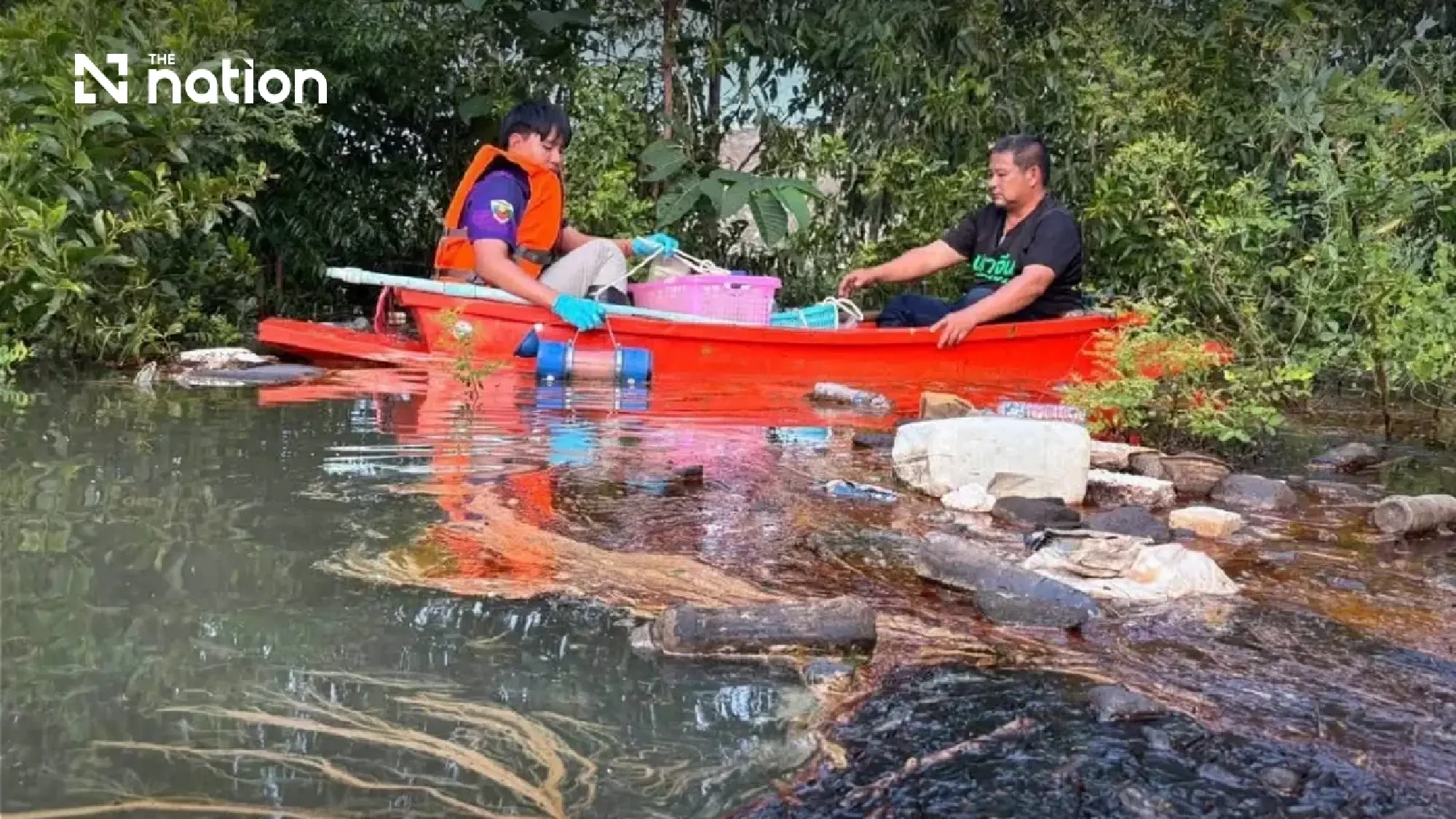
Oil-related substances in Prachin Buri water were becoming more concentrated as water levels fell, Varawut reported. Residents should avoid contact with affected water and wash it off promptly if exposed, he advised.
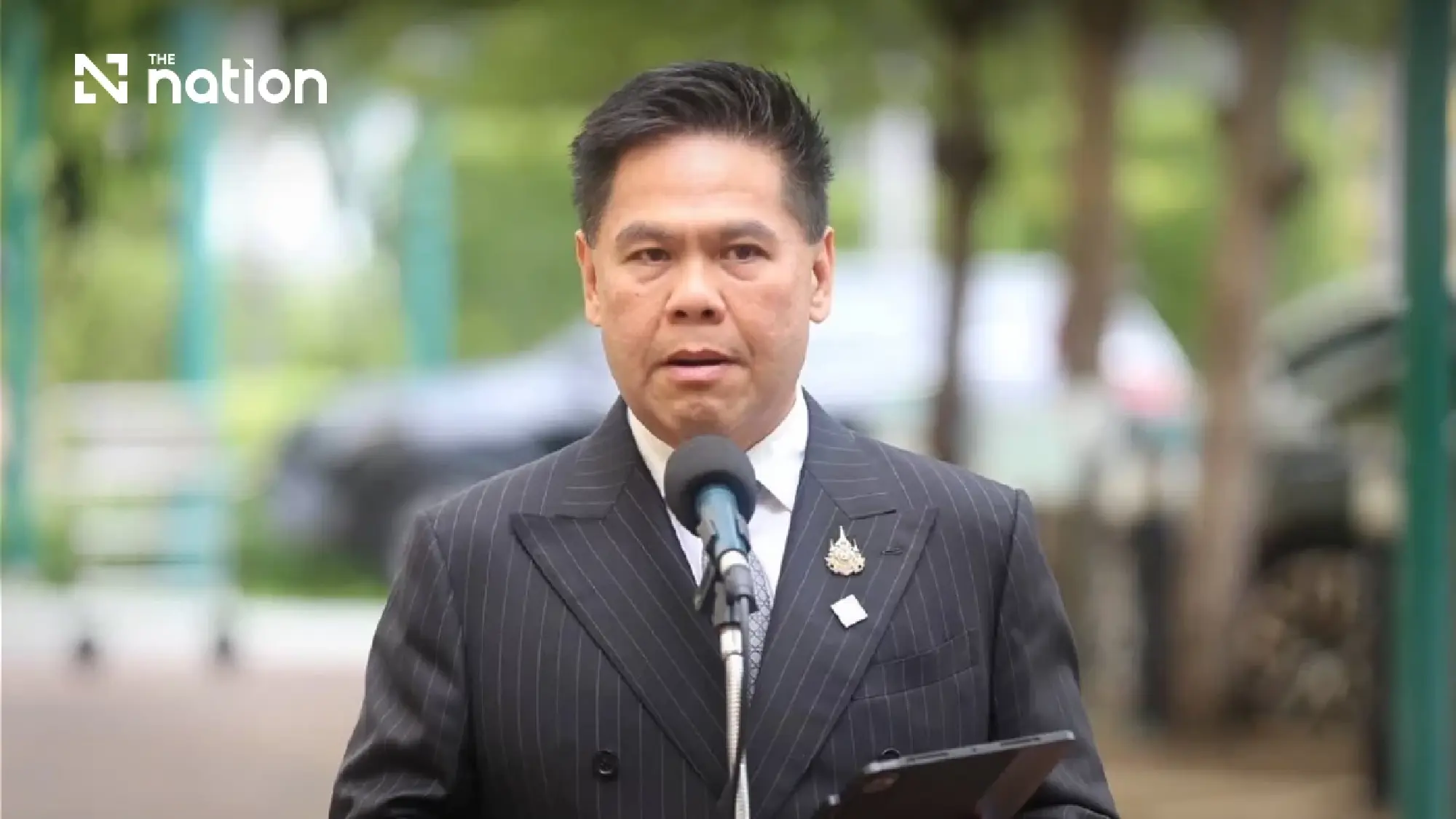

Further Prachin Buri factory closures planned
Varawut said further factory closures in Prachin Buri were planned for October 14, following earlier enforcement under Sections 37 and 39 of the Factory Act.
Varawut cautioned that immediately invoking Section 39 to close a factory could leave authorities open to lawsuits. He instructed officials to first order improvements under Section 37 and use Section 39 to close factories whose operators failed to comply.
Industry Ministry teams and the PCD, part of the Ministry of Natural Resources and Environment, had been working with the Interior Ministry since October 13, according to Varawut.
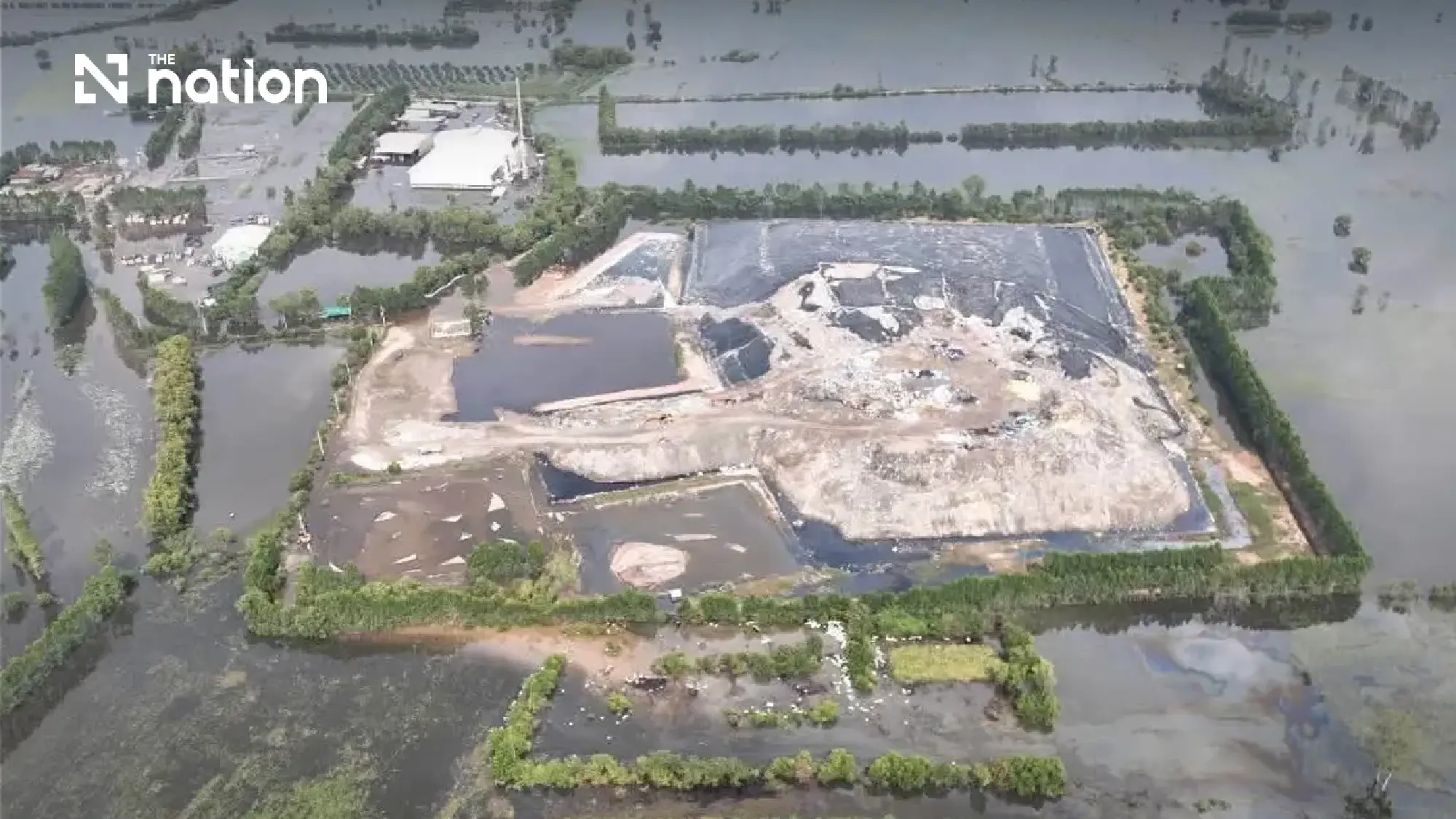

Earlier Prachin Buri tests found petroleum contamination
It was earlier reported that a rainbow-coloured oily sheen near an industrial waste landfill in Prachin Buri prompted a PCD inspection on October 1. Laboratory results confirmed on October 12 recorded 114,860 milligrams per litre (mg/L) of petroleum hydrocarbons in a sample collected about 65 metres from a leaking embankment.
Two other samples near the Prachin Buri landfill, taken about 435 and 850 metres from the embankment, contained less than 3 mg/L of petroleum hydrocarbons. The PCD and DIW were investigating the suspected source and planned further inspections, with sediment testing to follow once the water receded.

Varawut proposes tougher industrial waste penalties
Varawut called for amendments to increase fines and treat illegal industrial waste dumping as a financial offence, allowing operators’ assets to be seized. Existing laws were old and their penalties might not be strong enough, he argued.
Varawut also pledged to pursue legal action to recover compensation for harm to residents and the environment.
Asked whether companies using nominee shareholders or businesses linked to prominent families were involved, Varawut insisted that ownership would not determine enforcement.
“I do not care whether they are nominee companies or what family name is involved,” Varawut said. “We did not look at who owned the three factories already shut. They did not comply with the conditions set by law, so we are following legal procedures to the fullest extent.”
