
Suriya apologises for delay of 20-baht electric railway fare to mid-November
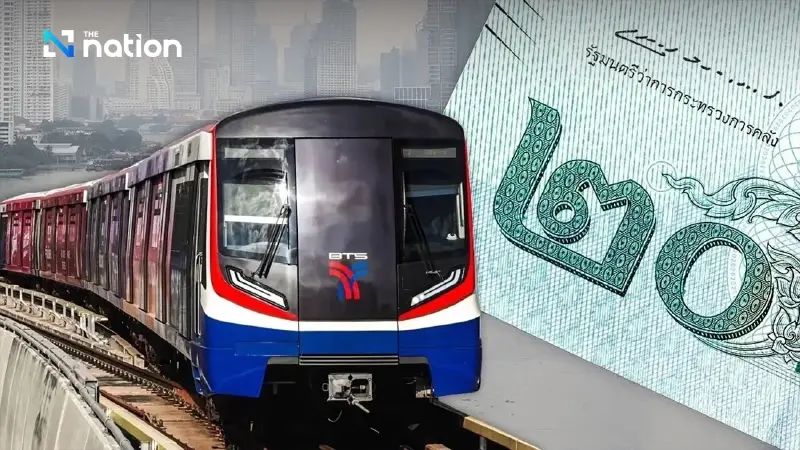


Suriya apologises as 20-baht flat fare for Bangkok’s electric railways is delayed to mid-November due to stalled bills in Parliament.
- The 20-baht flat fare for Bangkok's electric railways, originally scheduled for October 1, has been delayed until an expected start in mid-November.
- The postponement is caused by legislative delays, specifically the stalled enactment of two key bills in the House of Representatives.
- An attempt by the Transport Minister to use the central emergency fund to subsidize fares in the interim was rejected by the Council of State as not being urgent enough.
- The government will now push to expedite the passage of the pending bills through the House and Senate to meet the new mid-November timeline.
20-baht flat fare postponed from October to November
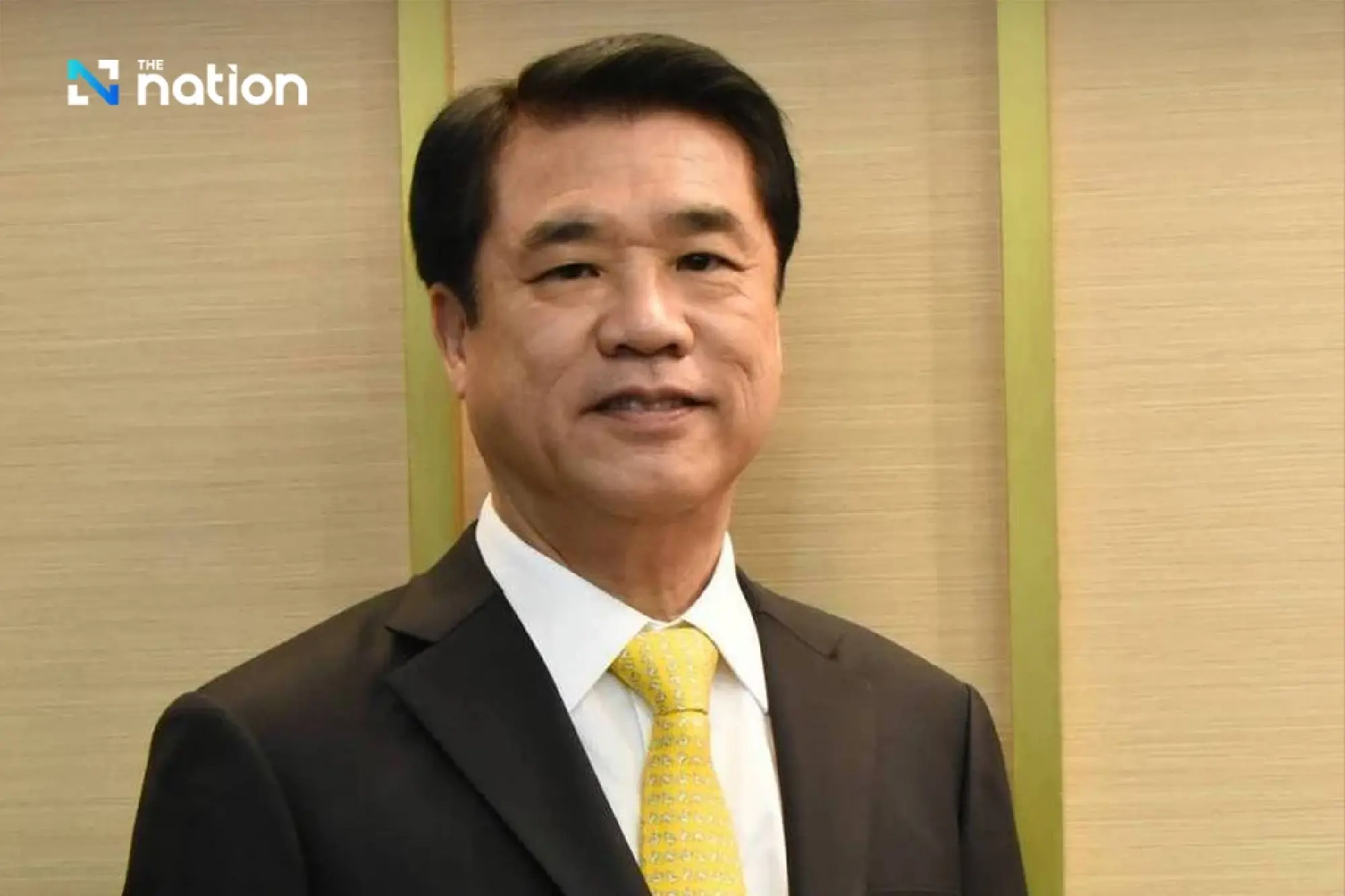
Deputy Prime Minister and Transport Minister Suriya Juangroongruangkit on Tuesday apologised to the public, saying the 20-baht flat fare per trip for electric railways in Bangkok and surrounding provinces cannot begin on October 1 as scheduled.
He explained the delay was caused by the slow enactment of two key bills. Instead, he expects the flat fare policy to take effect by mid-November.
Legal delays in Parliament
Suriya said he had initially expected three bills to be passed by September, enabling the project to start on time. However, the lack of quorum in the House of Representatives delayed two of the three:
- The amendment to the Mass Rapid Transit Authority Act
- The Common Ticket Management Bill
The third, an amendment to the Department of Rail Transport Act, has already passed three readings in the House and now awaits Senate approval.

Emergency fund option ruled out
The minister revealed he had considered using the central emergency fund to subsidise the fare in the meantime. However, the Office of the Council of State ruled that the issue was not urgent enough to justify using the fund, nor could regulations be amended to allow it.
Senate expected to fast-track bills
Suriya said the government will work to push the two pending bills through the House and the Senate quickly. Once approved, they will be submitted for royal endorsement and published in the Royal Gazette.
An organic law is also required to enforce the 20-baht flat fare. Normally, this would involve a 15-day public hearing, but Suriya said he will propose to Cabinet that the hearing be waived to save time, since the measure directly benefits the public.
Registration extended for commuters
Suriya confirmed that 180,000 commuters have already registered for the flat fare scheme. The registration period will now be extended until mid-November, when the policy is expected to begin.
“All in all, I expect the 20-baht flat fare can be implemented by the middle of November,” he said. “It may be a little delayed, but the benefit for the public will be vast. I have to apologise for the delay.”
