
JAS-Monomax turns World Cup rights into Thailand sports-streaming power play



JAS and Monomax’s FIFA World Cup rights deal aims to build a long-term sports and entertainment ecosystem, with all 104 matches on Monomax and more than 40 games on free TV.
JAS and Monomax’s acquisition of FIFA World Cup rights is more than a broadcast deal. It is a strategic move to turn football’s biggest tournament into a long-term sports and entertainment ecosystem, offering all 104 World Cup 2026 matches on Monomax while putting more than 40 matches on free TV.
Jasmine International Public Company Limited, or JAS, has secured the Thai broadcasting rights for the FIFA World Cup in 2026 and 2030, as well as other FIFA-affiliated events, in a deal worth US$70 million, or about 2.3 billion baht. Mono Next, which operates Monomax and traditional TV platforms, will serve as the broadcaster under the group’s broader sports-content strategy.
From broadcast deal to platform strategy
The deal positions JAS and Monomax as a major new force in Thailand’s sports-content market under the vision of becoming “The Home of FIFA in Thailand.”

Rather than treating the World Cup as a one-off content purchase, JAS is using the FIFA package to build a wider sports and entertainment platform. The rights add to the group’s existing portfolio of major sports content, including the Premier League, FA Cup, Volleyball World and UEFA EURO, according to Thai media reports.
The strategy is clear: use world-class football as “magnet content” to attract viewers, drive subscriptions, increase platform loyalty and strengthen Monomax as a serious player in premium sports streaming.
104 matches give JAS more content to monetise
The 2026 World Cup offers a larger commercial opportunity than previous editions because the tournament has expanded to 48 teams and 104 fixtures, making it the biggest World Cup to date.

That expanded format gives rights holders significantly more live content to distribute, package and monetise. For JAS and Monomax, it means more match inventory, more viewer touchpoints, more advertising opportunities and more reasons for football fans to subscribe.
The 2030 World Cup also carries special commercial value because it will mark the tournament’s centenary.
Free-TV access becomes public-interest hook
A key selling point of the deal is accessibility.
JAS says viewers will be able to watch all 104 matches through Monomax, while more than 40 matches will be available free-to-air via MONOMAX SPORTS, including the opening match and the final.
That free-TV element is important because it addresses a long-running concern among Thai football fans: whether major tournaments will be easy to access without confusion, extra barriers or the risk of “black screen” problems.
By combining a subscription platform with free-TV coverage, JAS is trying to strike two goals at once — building a paid sports-streaming business while presenting the World Cup as a tournament that remains widely available to Thai viewers.


Subscription model adds revenue engine
Monomax will be the main destination for full-tournament coverage, with live matches, highlights and replays.
Monomax Sports Premium package has been set at 5,999 baht, with instalment options available, giving subscribers access to all 104 matches as well as tournament highlights and replays.
This gives JAS a direct subscription revenue stream on top of advertising, sponsorship and broader platform engagement. The World Cup therefore becomes more than live sport; it becomes a customer-acquisition engine.

JAS seeks regional sports-entertainment status
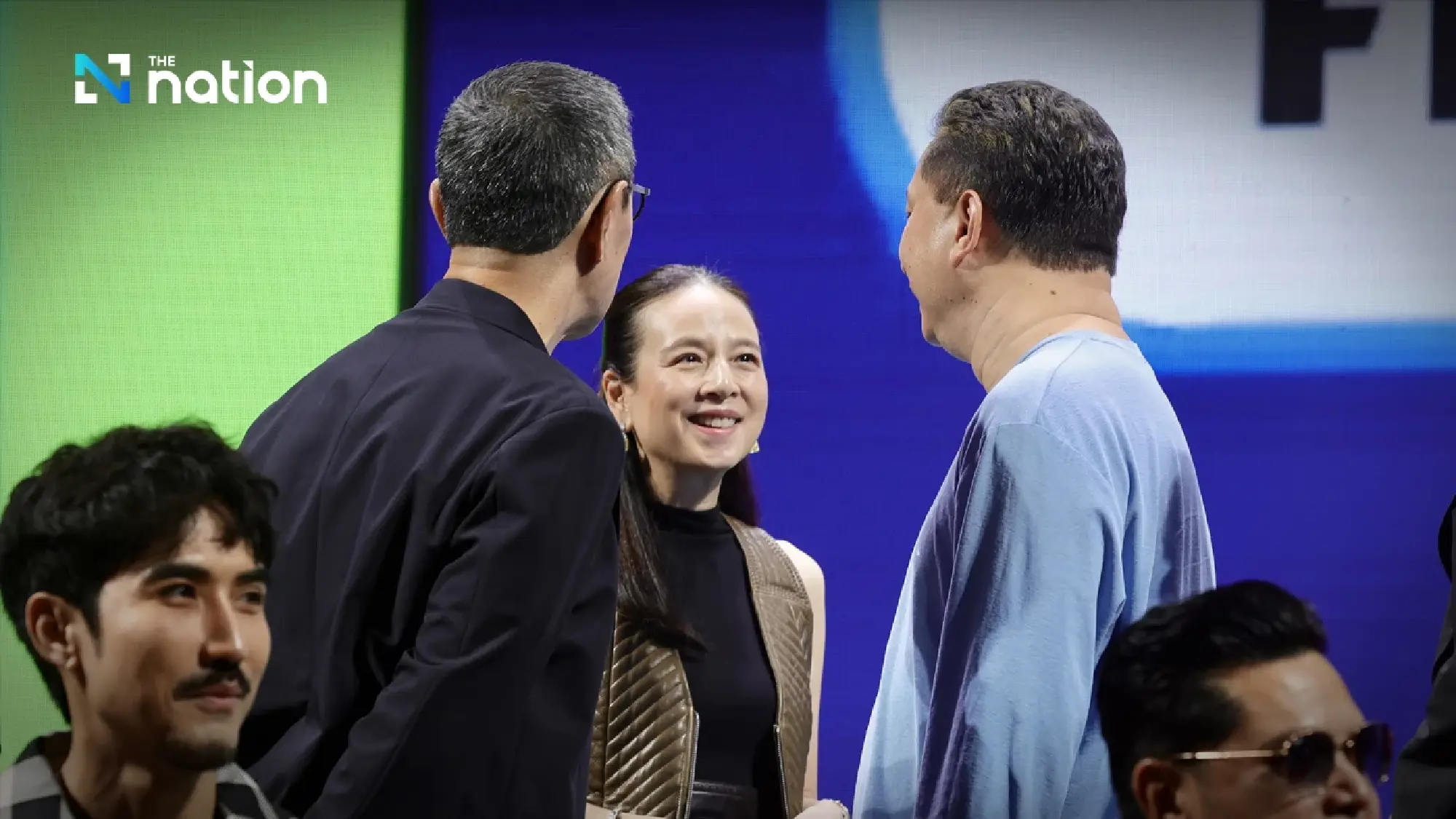
JAS chief executive Dr Soraj Asavaprapha has framed the deal as part of the company’s push to elevate itself into a regional sports and entertainment platform.
According to the company’s announcement reported by Thai media, JAS wants to connect global sports content with modern technology and build a stronger business ecosystem for Thai viewers.
That makes the deal significant beyond football. It signals a shift in Thailand’s sports broadcasting landscape, where major rights are increasingly being used not only to attract TV audiences, but to build digital platforms, subscriptions, content ecosystems and long-term customer relationships.
A new contest in Thai sports broadcasting
The move places JAS and Monomax in direct competition with other media and streaming players seeking control of premium sports content.
For Thai viewers, the immediate result is clearer access to the World Cup: all matches on Monomax and selected major games on free TV. For the media industry, however, the bigger story is the rise of sports streaming as a battlefield for subscribers, advertising and brand positioning.
The World Cup deal gives JAS the rare combination of mass appeal, national attention and global prestige. The challenge now is whether it can turn football passion into sustainable platform power long after the final whistle.
