
US-Iran nuclear talks delayed as Tehran sets terms on Hormuz and oil exports
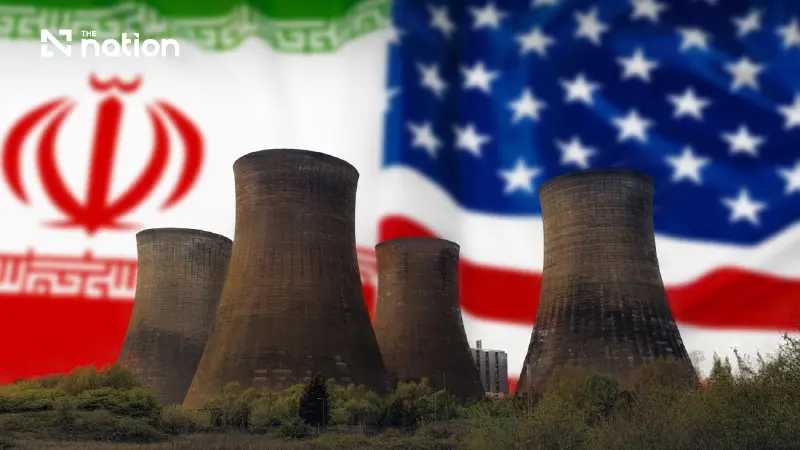


Iran has delayed US nuclear talks while demanding action on Hormuz, oil exports, frozen assets and military operations before formal negotiations
- Nuclear talks between the US and Iran have been delayed because Tehran has established several preconditions before formal negotiations can begin.
- Iran's key demands include the ability to export its oil and related products, the release of its frozen assets, and the opening of the Strait of Hormuz to maritime traffic without fees for 60 days.
- Tehran has also linked the resumption of talks to an end to military operations in the region, specifically referencing the conflict in Lebanon, and the lifting of the US maritime blockade.
Iran has delayed planned talks with the United States while setting out conditions linked to the Strait of Hormuz, oil exports, frozen assets and military operations before formal nuclear negotiations can begin.
The talks had originally been expected to take place in Switzerland on June 19, but were postponed after fighting between Israel and the Iran-backed Hezbollah group in southern Lebanon intensified. The delay has added fresh pressure to diplomatic efforts aimed at limiting Tehran’s nuclear programme and easing disruption to one of the world’s most important energy shipping routes.
Iranian Foreign Ministry spokesman Esmail Baghaei said the meeting between Iranian and US delegations had been delayed, while preparations for a new meeting were under way. A revised schedule is expected to be announced once conditions are ready.
The discussions are still being handled through intermediaries. Baghaei said the planned meeting had been intended to support the next stage of talks and help shape the path towards a final agreement.
However, Iran has made clear that the nuclear process under the memorandum framework will move forward only if agreed preliminary conditions are met. These include an end to war and military operations in all areas, including Lebanon, as well as the lifting of the US maritime blockade.
Iran is also demanding that the Strait of Hormuz be opened to maritime traffic without fees for 60 days. The conditions also include permission for Iran to export crude oil, petroleum products and related products, along with the release of Iranian assets that have been frozen overseas.
The Strait of Hormuz remains central to the dispute because of its importance to global oil and liquefied natural gas shipments. Although the United States and Iran have agreed in principle to end the maritime blockade, Iran has said ships passing through the strait must obtain permission and carry insurance. The service is currently free, but fees could be introduced later.
That position has caused concern in the United States, Europe and Arab countries, where officials argue that international waters should not be subject to toll-style controls.

The delay has also exposed tension between Washington and Tehran over the conflict in Lebanon. Iran has linked progress in the talks to a halt in fighting there, while accusing the United States of bearing direct responsibility for the situation in Lebanon and for Israeli military operations.
The nuclear issue remains highly complex. Experts have warned that a 60-day framework may be too short to reach a lasting agreement with Iran, given the technical and political difficulties involved. The 2015 nuclear deal between Iran and world powers took around two years to negotiate before it was finalised.
Baghaei denied reports that Iran had invited the International Atomic Energy Agency to inspect the country’s nuclear facilities. He said negotiations over Iran’s nuclear programme would take place within the 60-day framework if the preliminary conditions were implemented.
Under the framework, Iran would maintain its nuclear programme at its current level and allow IAEA inspections only at certain sites, such as the Bushehr nuclear power plant. Access to other sites, previously denied after US and Israeli attacks, would depend on the progress and outcome of future negotiations.
Energy markets remain exposed to the uncertainty. Crude oil prices are still around 30% higher than at the start of the year, while restoring normal oil and LNG shipping through the Strait of Hormuz could take at least several months.
The United States and several other countries have also drawn heavily on emergency oil reserves to stabilise prices during the conflict. As those countries later buy oil to refill reserves, additional demand could add further pressure to global oil prices.
For now, the delay leaves the United States and Iran searching for a new opening, while the wider crisis continues to connect nuclear diplomacy, Lebanon’s security situation and global energy supply.
