
First tankers cross Strait of Hormuz after US–Iran deal as Israeli strikes in Lebanon fuel doubt over fragile regional calm
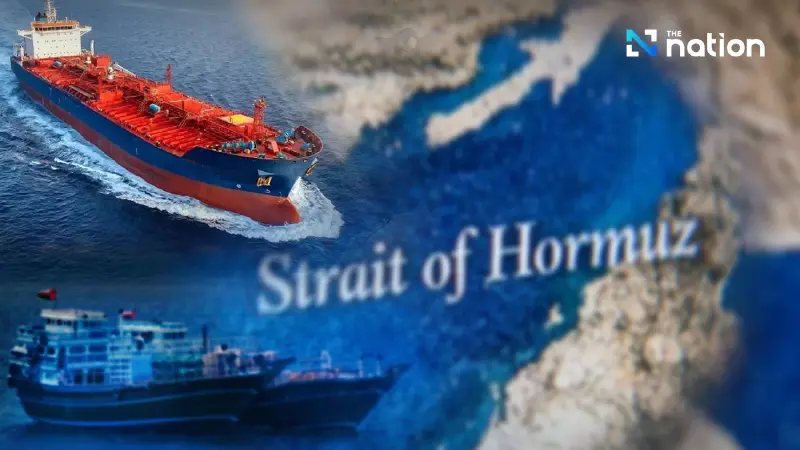


Oil tankers resume passage through the Strait of Hormuz after a US–Iran agreement, but renewed Israeli strikes in Lebanon raise questions over the durability of the fragile peace framework
Tankers return to key shipping lane after US–Iran deal
Oil tankers have begun crossing the Strait of Hormuz again following a newly signed US–Iran agreement aimed at easing a war that has disrupted global energy flows.
Shipping data showed multiple large crude carriers moving through the strategic waterway on Thursday, marking the first significant return of maritime traffic since the deal came into effect. The agreement has allowed for the reopening of the route, which carries a substantial share of global oil shipments.

The development has been viewed as an early signal of de-escalation in a conflict that has raised global energy costs and heightened security risks across key maritime corridors.

Fragile calm amid continued regional tensions
Despite the resumption of shipping, uncertainty remains over the durability of the agreement.
Israeli forces carried out fresh airstrikes in Lebanon on Thursday, intensifying concerns that parallel conflicts in the region could undermine broader diplomatic efforts.
The strikes come as Lebanon continues to suffer heavy displacement and destruction from ongoing hostilities involving Israel and Hezbollah, despite attempts to stabilise the situation through international mediation.
Observers note that while maritime flows are beginning to normalise, ground-level conflict in Lebanon continues to threaten the overall stability of the wider US–Iran understanding.
Shipping industry remains cautious
While tanker movements have increased, shipping operators and insurers remain cautious, citing unresolved questions over security guarantees, sanctions clarity and the risk of renewed escalation.
Industry participants are closely monitoring whether the agreement will hold long enough to restore consistent and safe passage through the Strait of Hormuz, a vital artery for global energy trade.
Outlook
The partial reopening of the strait marks a significant shift for global energy markets, but continuing violence in Lebanon underscores how fragile the wider regional situation remains, with diplomatic progress and military tensions unfolding simultaneously.
