
Japan visa fees to rise fivefold from July in biggest hike in 48 years
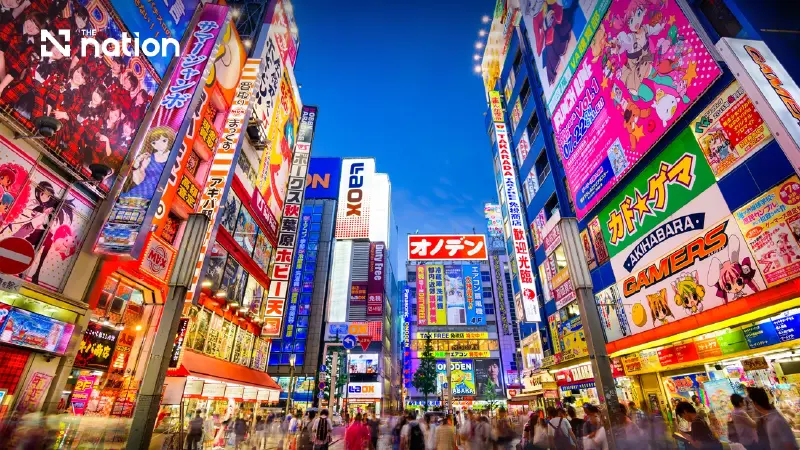


Cabinet-approved changes will raise single-entry visa fees to 15,000 yen and multiple-entry visa fees to 30,000 yen from Wednesday (July 1, 2026).
- Effective July 1, 2026, Japan will raise its visa fees fivefold, the largest increase in 48 years.
- The cost for a single-entry visa will increase from 3,000 to 15,000 yen, and a multiple-entry visa will rise from 6,000 to 30,000 yen.
- The government states the hike is necessary to cover rising immigration system costs due to a record number of foreign visitors and residents.
- Officials do not expect the new fees to significantly impact tourism, citing strong demand and noting the new rates will be comparable to other major countries.
Japan is preparing to sharply raise visa fees in its largest increase in almost half a century, with the new rates to take effect from Wednesday (July 1, 2026), to cover rising immigration system costs as the number of tourists and foreign nationals entering the country continues to grow.
The fee increase was approved by the Cabinet on Friday (June 19, 2026), marking the first revision of visa fee rates since 1978, or more than 48 years ago.
Under the new rates, the fee for a single-entry visa will rise from 3,000 yen to 15,000 yen, a fivefold increase, while a multiple-entry visa will rise from 6,000 yen to 30,000 yen.
The move is a major increase that will directly affect tourists and business travellers from countries that still need visas to enter Japan.
Toshimitsu Motegi, Japan’s foreign minister, said the increase reflected inflation and exchange rate fluctuations that had accumulated over several decades, while confirming that the government did not expect a significant impact on inbound tourism.
Despite the sharp increase, the Japanese government believes demand for travel to the country remains strong.

Last year, Japan welcomed a record 42.7 million foreign visitors, helped by the yen’s continued weakness since 2021 to levels near its lowest in more than 40 years, as well as the recovery of tourism after the Covid-19 pandemic.
Japanese authorities said that even after the increase, Japan’s visa fees would remain close to those of several leading industrialised countries.
For example, the United States charges temporary visa application fees of US$185–US$315, while the United Kingdom charges £135 for a short-term visa for stays of up to six months.
Japan’s upper house also passed amendments to immigration legislation in late May, giving the government authority to raise a wider range of fees related to foreign residents’ stay in the country.
Under the new law, the ceiling for fees to change residence status and renew visas will rise from 10,000 yen to up to 100,000 yen, while the ceiling for permanent residency applications will increase from 10,000 yen to up to 300,000 yen, or as much as 30 times.
The actual rates will be set later through a Cabinet order and a public comment process.

The government’s initial proposal said long-term residents could be required to pay residence status renewal fees of 10,000–70,000 yen, depending on the renewal period, while applicants for permanent residency could be charged up to 200,000 yen, up from only 10,000 yen.
These measures are expected to take effect before fiscal 2026 ends on Wednesday (March 31, 2027).
The Japanese government said the additional revenue from the fees would be used to improve the administration of a foreign population that continues to grow.
At the end of 2025, Japan had a record 4.13 million foreign residents, prompting immigration agencies to seek more personnel, technology and infrastructure to handle the increased workload.
Part of the new budget will be used to support Japanese-language programmes for foreign nationals, improve the monitoring of overstayers, and modernise immigration data checks and document processing.
Japan also plans to launch a pre-arrival electronic travel authorisation system, the Japan Electronic System for Travel Authorisation (JESTA), within fiscal 2028.
Similar to systems used by the United States and the United Kingdom, it will require travellers from 74 visa-exempt countries and territories to enter personal information, the purpose of travel and their destination before departure.
The information will be checked against immigration and criminal records databases to screen people considered at high risk of overstaying.
They could be denied boarding on aircraft or ships bound for Japan at the point of departure, as part of Japan’s biggest immigration system reform in decades.
