
Iran declares full control of Strait of Hormuz amid truce row
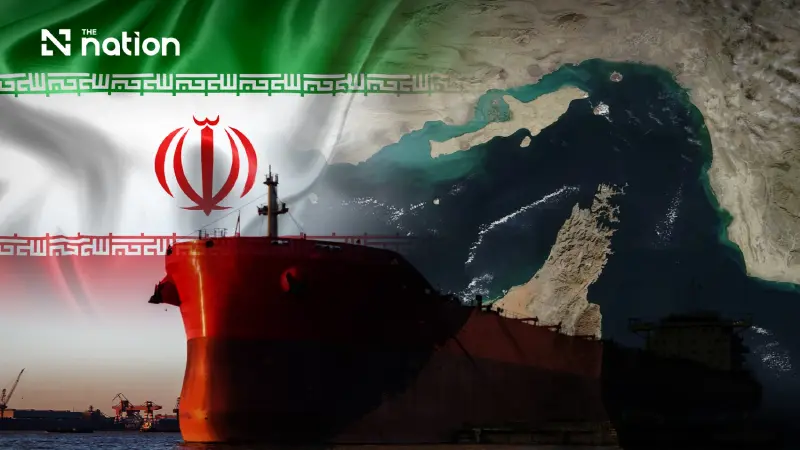


Iran has declared full control of the Strait of Hormuz for 30 days, warning that US strikes or intervention could worsen tensions and jeopardise the ceasefire.
- Iran has declared it will maintain full control and supervision of the Strait of Hormuz for the next 30 days.
- As part of this control, Tehran is mandating that all vessels use specific, designated routes, warning that any deviation will be considered a breach of the current ceasefire agreement.
- The declaration comes amid a dispute in which both the US and Iran are accusing each other of violating the terms of their truce.
Iranian Foreign Minister Abbas Araghchi has declared that the Strait of Hormuz will remain under Iran’s full control for the next 30 days, warning that any US attack would make an already fragile situation worse.
Iranian authorities stated that all vessels passing through the Strait of Hormuz must use only the routes designated by Tehran. Ships using any other route would be regarded as breaching the ceasefire agreement, they warned.
Iran’s Foreign Ministry also condemned US attacks targeting surveillance and monitoring centres along the country’s southern coast, describing them as a violation of the memorandum of understanding (MoU) and the United Nations Charter.
The Iranian statement added that the incident showed the United States attached no value or credibility to its own commitments. It stressed that Iran would defend its sovereignty and territorial integrity against US military aggression.
Araghchi maintained during a speech in Iraq on Sunday that “the Strait of Hormuz will remain under Iran’s full supervision and management throughout the next 30 days, and once all obstacles have been removed, the waterway’s traffic capacity will be fully restored”.
“Any new move will worsen the situation, delay the reopening of the strait and escalate the violence,” the Iranian foreign minister warned. He urged all sides not to interfere and called on them to respect their obligations under the MoU, cautioning that the agreement could otherwise collapse.
US President Donald Trump, meanwhile, claimed late on Saturday that the Tehran government had breached the ceasefire agreement signed on June 17.
The MoU signed by the US and Iran extended the ceasefire in a war that began after the US and Israel launched strikes against Iran on February 28. The agreement gave both sides 60 days to negotiate an end to the fighting.
Access through the Strait of Hormuz is central to the MoU. During the war, Iran blockaded the waterway, a route used for around 20% of global oil shipments, triggering a major energy crisis.
Article 5 of the MoU states that Iran will make every effort to ensure the safe passage of commercial vessels throughout the 60-day period. It also requires Iran and Oman, along with other Arab Gulf states, to hold consultations on the future management of the strait.
Security analyst Wolfgang Pusztai told Al Jazeera that although neither the US nor Iran wanted the situation to escalate further, there remained a risk that events could spiral unintentionally.
“If a strike accidentally hits a residential area, if large numbers of civilians in Gulf Arab countries are killed, or if an American base is hit hard enough to cause US military deaths, the situation could very easily get out of control,” Pusztai warned.
