
Oil falls ahead of new US sanctions as Iran stays defiant


Oil prices fell more than US$1 as markets awaited new US sanctions on Iran, while Tehran said the measures would fail and called for respectful talks.
Oil prices fell by more than US$1 a barrel in early Asian trading on Monday (August 24) as investors took profits before Washington was due to announce further sanctions against Iran that could intensify disruption to Middle Eastern supplies.
Brent crude futures declined by US$1.22, or 1.29%, to US$93.17 a barrel by 12.35am GMT. US West Texas Intermediate crude fell by US$1.20, or 1.38%, to US$85.86.
The decline followed a second consecutive week of gains for both benchmarks. Oil prices rose by more than 5% during the previous week after negotiations between the United States and Iran reached a stalemate, prolonging restrictions on shipments through the Strait of Hormuz.
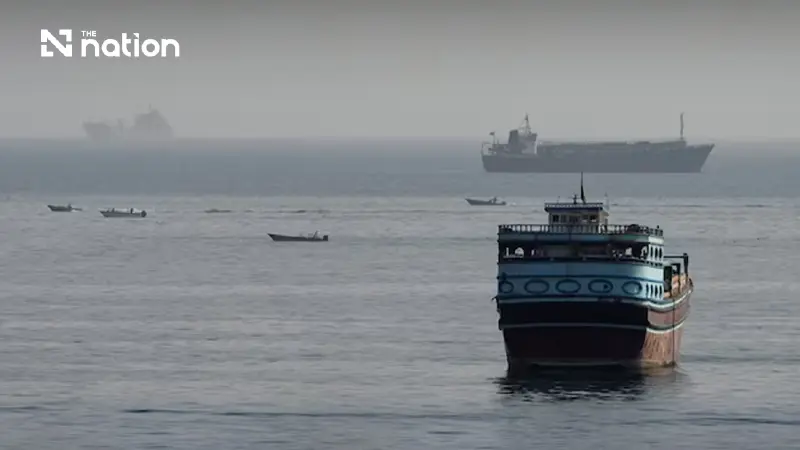
Before the conflict, about one-fifth of the world’s oil supply passed through the strategically important waterway. Traffic has since fallen sharply as Iran refuses passage to unauthorised oil tankers and the US naval blockade restricts Iranian shipments.

Washington prepares new pressure campaign
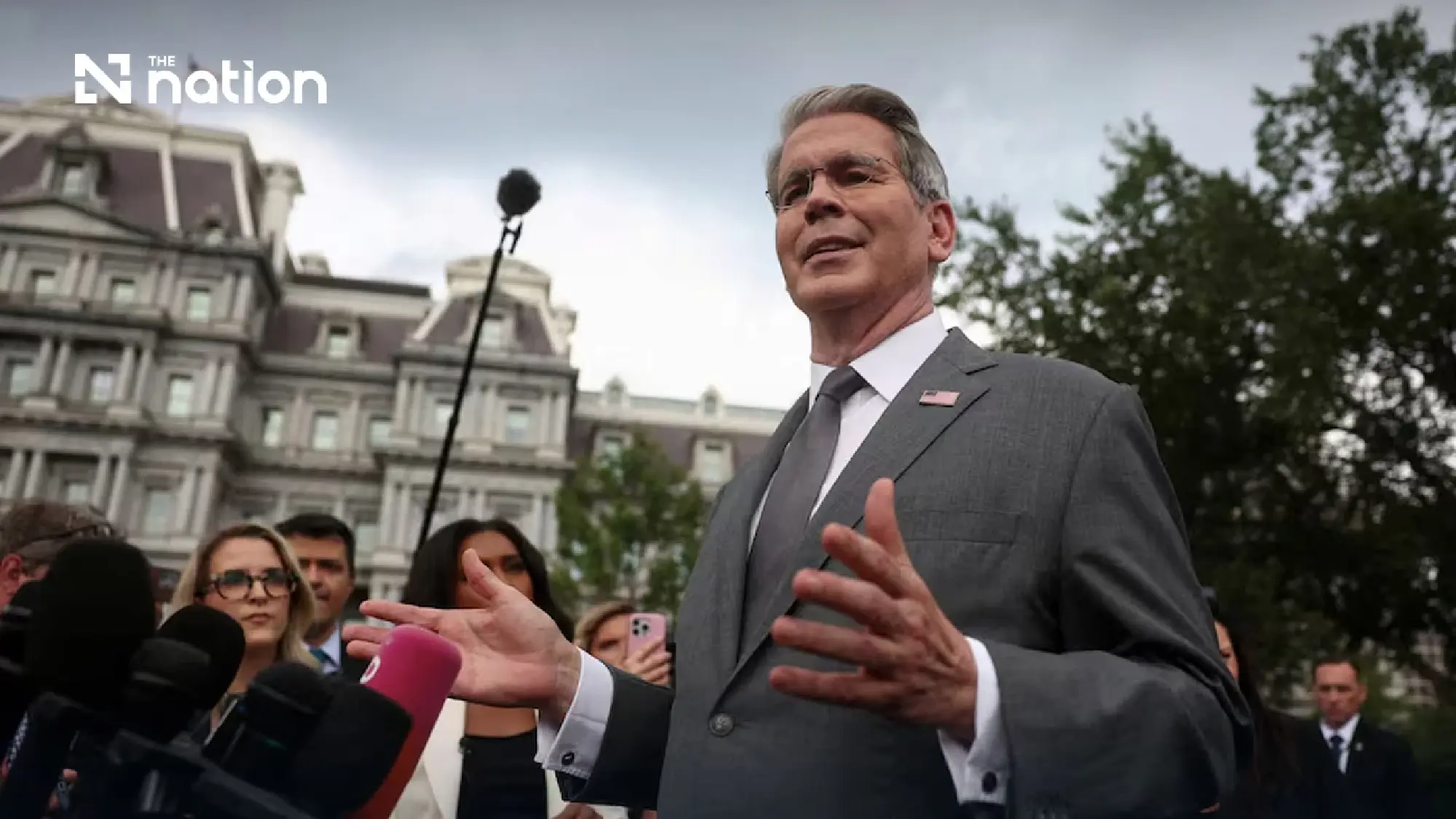
US Treasury Secretary Scott Bessent was scheduled to hold a press conference at 2pm US Eastern time on Monday to provide details of what he has described as the “toughest sanctions in history” against Iran.
President Donald Trump has also threatened economic penalties against Iran’s trading partners and any country providing what he described as a lifeline to Tehran.
Vivek Dhar, a commodities analyst at Commonwealth Bank of Australia, said it remained uncertain whether Washington’s attempt to isolate Iran economically would achieve its intended result.
However, should the measures succeed in placing significantly greater pressure on Tehran, Iran could respond with increased violence, creating a further risk for global energy markets, he said.
Iranian crude offered to Chinese buyers has already declined, while prices have risen as the US blockade reduces Tehran’s ability to ship oil, according to trade sources cited by Reuters.
China bought more than 80% of Iran’s seaborne oil exports in 2025, according to data from analytics company Kpler. Washington has urged Beijing to cooperate with its campaign, while China has called for a diplomatic solution.
Iran dismisses sanctions as a sign of desperation
Iranian Foreign Minister Abbas Araqchi rejected the threatened sanctions, describing Washington’s return to economic pressure after military operations as evidence of desperation.
In a video posted on Telegram on Sunday, Araqchi said previous US blockades and military measures had failed and maintained that the new sanctions would also be unsuccessful.
He said Washington would have to speak to Iran respectfully to reach a solution based on justice and national dignity.

Iran’s economy was already under severe pressure from longstanding international sanctions before the United States and Israel began attacks on February 28.
The nearly six-month conflict has damaged infrastructure and weakened Iran’s navy and air force. However, Tehran retains sufficient missile and drone capabilities to obstruct tanker traffic through Hormuz and threaten regional adversaries.
Iran has brought commercial traffic through the strait to a near standstill by threatening vessels attempting to pass without its permission. The disruption has contributed to higher global oil prices.
Tehran has nevertheless allowed several Iraqi oil tankers to pass following repeated requests from Baghdad, according to Iran’s state news agency IRNA, suggesting that the authorities are granting selective access to the route.
Diplomatic pressure continues
Iranian President Masoud Pezeshkian has called for a diplomatic settlement despite Tehran’s public defiance.
Tony Sycamore, a market analyst at IG, said more pragmatic members of Iran’s leadership would prefer de-escalation, while hardliners could favour continuing the confrontation. Developments following the US sanctions announcement could provide a clearer indication of which side holds greater influence, he added.
Pakistan’s army chief, Asim Munir, was due to visit Tehran on Monday as part of efforts to restore regional peace and security.
Pakistan has been mediating in the conflict, and a Pakistani government source said Munir was expected to discuss recent developments, including Washington’s threat of additional sanctions.
Iranian parliament speaker Mohammad Baqer Qalibaf has also said Tehran received messages from several neighbouring countries concerning possible regional security arrangements and greater economic cooperation.
He did not identify the countries involved but argued that a regional system developed independently by neighbouring states could provide greater peace and security.
Trump said on Friday that Iran wanted an agreement but was not yet prepared to accept what he regarded as the correct terms.
With formal negotiations stalled, oil traders are now awaiting the details of the sanctions, their potential effect on Iran’s principal trading partners and Tehran’s response to the latest escalation in economic pressure.
Sources: Reuters
