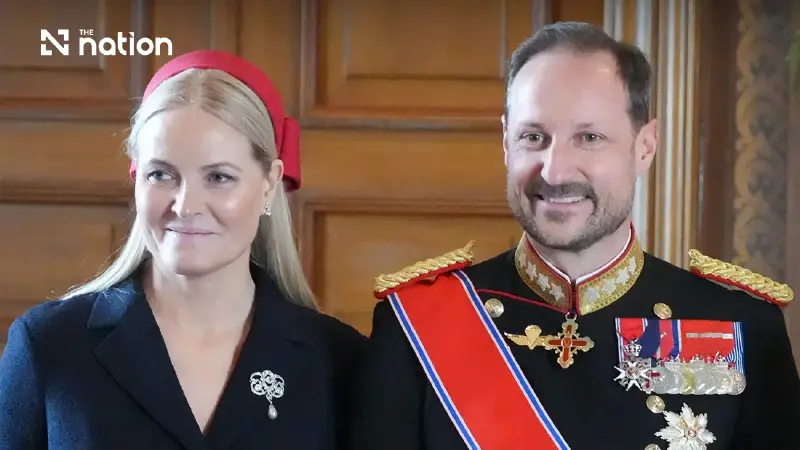
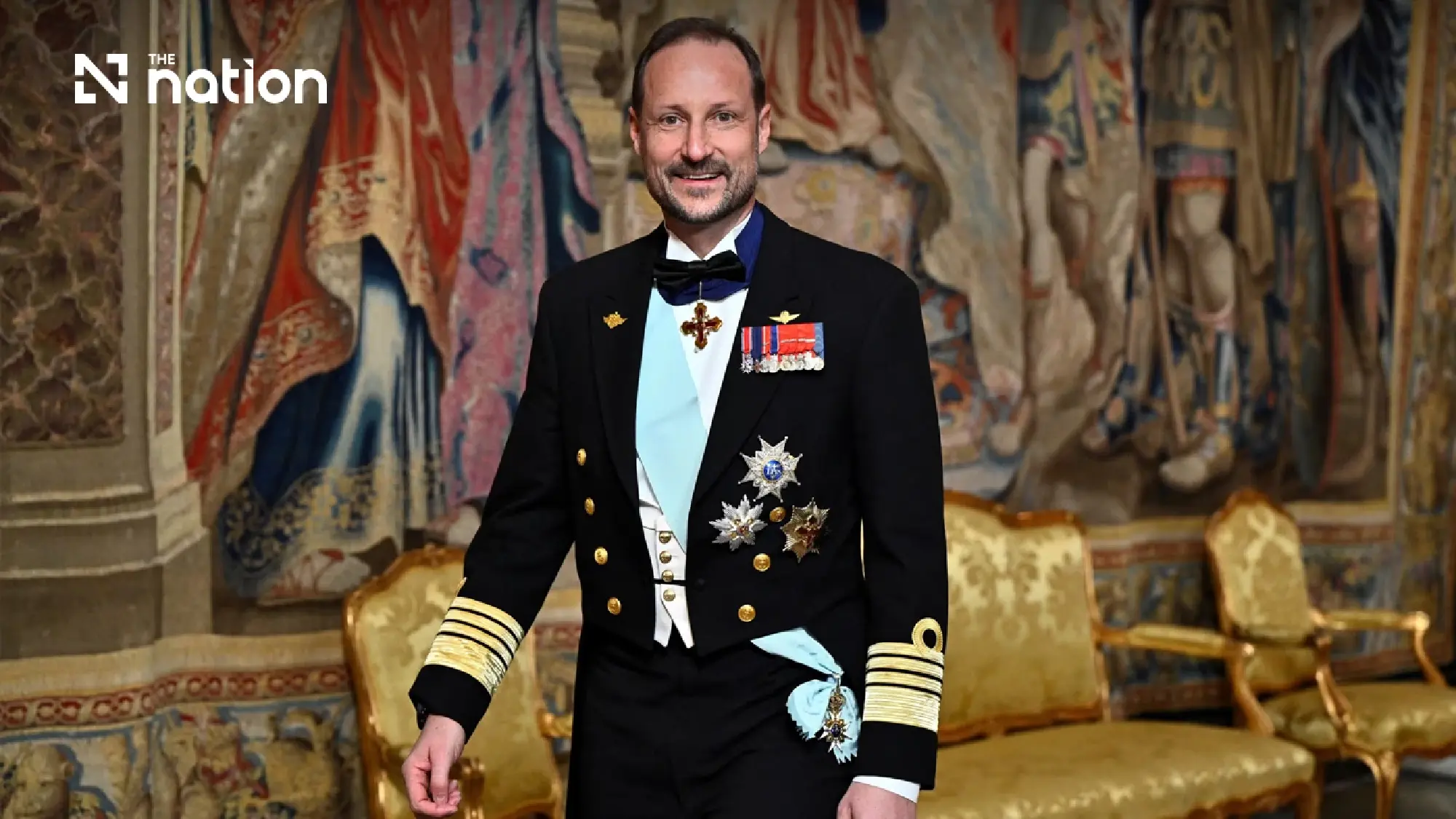
Norway’s King Haakon and Queen Mette-Marit begin a new reign shaped by reluctant duty, family loyalty, ill health and royal scandal
The new Queen Mette-Marit's public standing has been severely damaged by her connection to convicted sex offender Jeffrey Epstein, causing a significant drop in public support for the monarchy.
The royal family is navigating a major scandal involving the Queen's son, Marius Borg Høiby, who was convicted on rape and domestic violence charges.
Queen Mette-Marit faces serious health challenges, having recently undergone a lung transplant for chronic pulmonary fibrosis, a condition that has increasingly restricted her royal duties.
King Haakon has taken the Norwegian throne following the death of King Harald, completing a long transition from a reluctant prince uneasy with public attention to Norway’s fourth monarch of the modern era.
Queen Mette-Marit begins the new reign alongside him after a similarly difficult journey into royal life, but the couple’s accession comes as scandals, serious health problems and declining public support place the monarchy under pressure.
Reluctant prince grows into royal role
Haakon struggled for years to accept the expectations attached to his status. Recalling his childhood at a state primary school in the 1980s, he wrote in his 2023 autobiography that being royal made him anxious and that he preferred to avoid attention.
After becoming Crown Prince in 1991, he broke with family precedent by attending the University of California, Berkeley, rather than following his father and grandfather to Oxford. California offered distance from royal life as well as the music and surfing culture he enjoyed.
After returning to Norway, Haakon met Mette-Marit at the Quart music festival in Kristiansand in 1999. Their relationship attracted intense scrutiny because she was a commoner, a single mother and had been part of Norway’s house-music scene.
King Harald, who had himself married a commoner despite opposition from his father, publicly welcomed her into the royal family. Haakon later credited Mette-Marit’s warmth and social confidence with helping him emerge from his shell and become more comfortable with public life.
The couple married in 2001 and have two children together, Princess Ingrid Alexandra, who is now next in line to the throne, and Prince Sverre Magnus. Their family also includes Marius Borg Høiby, Mette-Marit’s son from an earlier relationship.
Haakon gradually assumed more official responsibilities as his father’s health declined. He has written that he eventually found purpose in his position and believed he could use it to help others.
He is the fourth Norwegian king of the modern era, which began after Norway chose monarchy over a republic following independence from Sweden in 1905. If he retains his given name as his regnal name, he could become King Haakon VIII.
Born in Kristiansand in 1973, Mette-Marit was 25 when she met Haakon. She initially struggled to adjust to royal life after years of intense scrutiny of her background.
Over time, she established a public role centred on literature, global health, women’s empowerment and reproductive health. She studied ethics in Oslo and later took courses in international development, HIV/AIDS and refugee issues at the School of Oriental and African Studies in London.
Her public standing was severely damaged in January 2026 when the US Justice Department released private correspondence between her and convicted sex offender Jeffrey Epstein. The emails showed that their contact continued after his conviction.
Mette-Marit later apologised to the royal family and told Norwegian public broadcaster NRK that she wished she had never met Epstein, saying she had been “manipulated and deceived”.
A February poll put support for the monarchy at about 60%, down from 70% one month earlier. A separate survey found that 47.6% of respondents believed she should not become queen, while 28.9% supported her accession.
Family scandal and serious illness
The Epstein controversy unfolded as Marius, now 29, stood trial on rape and domestic-violence charges. He denied those allegations while admitting some lesser offences.
In June, he was convicted of two of four rape counts and one count of domestic violence and sentenced to four years in prison. Both Marius and prosecutors have appealed against the sentence.
Haakon expressed sympathy for the alleged victims and did not attend the trial. At the same time, he maintained that the family would continue supporting Marius and caring for its other children.
Mette-Marit made no public statement about the proceedings. She was also managing chronic pulmonary fibrosis, which had increasingly restricted her royal duties.
The palace announced in June that she had undergone a successful lung transplant. After several weeks in hospital, she returned home and celebrated her silver wedding anniversary with Haakon in August.
Haakon therefore begins his reign after gradually accepting the responsibilities he once resisted, while Mette-Marit becomes queen after more than two decades of alternating public service and personal controversy.
Their accession represents continuity for Norway’s monarchy, but their immediate challenge will be to rebuild confidence while navigating family scandal, legal appeals and the queen’s continuing recovery.