
Oil tops US$90 after US-Iran attacks renew supply fears
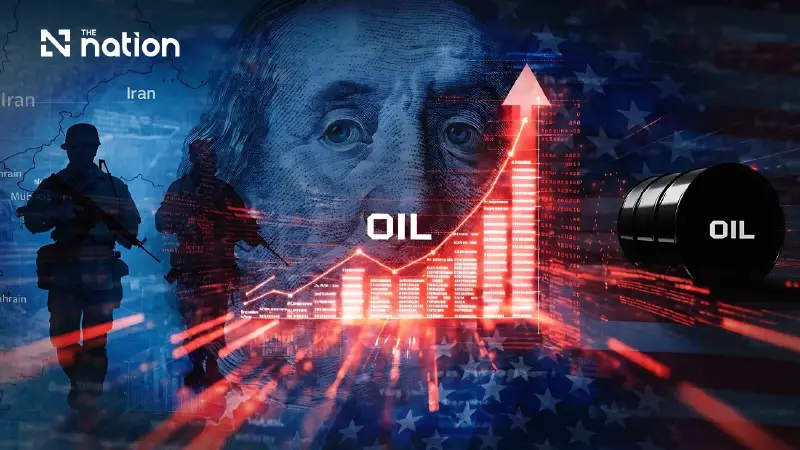


Brent settled 2.71% higher at US$90.49 and WTI gained 2.83% after Iran struck US bases in Jordan following the Larak Island attack
Oil prices settled more than 2.5% higher on Monday (August 31, 2026) after renewed military action between the United States and Iran revived concerns about disruption to global supplies.
Brent crude futures rose US$2.39, or 2.71%, to settle at US$90.49 a barrel. US West Texas Intermediate (WTI) gained US$2.36, or 2.83%, to US$85.76. Brent reached an intraday high of US$91.52, its highest level since August 25.
The rally followed Iran’s overnight missile attacks on two US air bases in Jordan, launched in response to an American strike on two Iranian launchers on Larak Island in the Strait of Hormuz.
US President Donald Trump subsequently promised a forceful response, telling Fox News that Washington would “hit them hard”.
The exchange was the first direct military confrontation between the two countries in about a month and came as the conflict entered its sixth month.

Markets watch for further escalation
Traders are assessing whether the renewed attacks will develop into a prolonged confrontation or give way to another attempt at de-escalation.
Trump wrote on social media on Sunday that Kharg Island, Iran’s principal energy hub, was being destroyed. However, he offered no evidence, and the accompanying video was found to have been generated by artificial intelligence.
Iran denied that Kharg Island had come under attack and said oil operations there were continuing. US Vice President JD Vance later said Trump’s post was intended to send a message to Tehran.
The conflicting claims added to market uncertainty over the security of Iranian energy infrastructure and shipping through the Strait of Hormuz.
The waterway handled about one-fifth of global oil supplies before the conflict began in late February. Negotiations led by mediators to reopen it more fully have stalled.
Shipping information showed that only five visible commodity vessels a day passed through the strait over the weekend.
Gelber & Associates analysts said continued movement of some Gulf oil through Hormuz had limited the price rally. However, the renewed military exchange had forced traders to restore a significant short-term supply-risk premium.
Sanctions intended to force Iran back to talks
US Treasury Secretary Scott Bessent said Washington’s sanctions were intended to create conditions that would persuade Iran to return to negotiations.
The United States has increased economic pressure on Tehran as diplomatic efforts to resolve the conflict and restore normal shipping through Hormuz remain deadlocked.
Markets are likely to remain sensitive to any further military action, evidence of damage to energy infrastructure or additional disruption to tanker movements.
Venezuelan oil could replenish US reserves
Potential additional supplies from Venezuela helped moderate some market concerns.
Trump said oil secured through an agreement with Venezuela would be used to replenish the US Strategic Petroleum Reserve, which has fallen close to its lowest level in 44 years.
The reserve declined by about 3.1 million barrels in the previous week to 286.6 million barrels.
Chevron and GE Vernova of the United States, India’s ONGC, Italy’s Eni and Colombia’s GeoPark are preparing to sign final agreements covering energy projects in Venezuela after months of negotiations, according to four people familiar with the preparations.
