
Brent falls to US$99.25 a barrel on September 22 as Saudi flows rise, but Nagel keeps ECB rate rises open


Saudi supply gains push oil lower, but Bundesbank chief Joachim Nagel says high energy costs could still require European Central Bank rate rises
- Crude price fell as Saudi Arabia increased oil supply by restarting its East-West pipeline and boosting crude shipments through the Strait of Hormuz.
- Downward pressure was also caused by hopes of a diplomatic breakthrough with Iran, which suggested it could reopen the Strait of Hormuz and further increase global supply.
- Comments from a European Central Bank official leaving further interest-rate hikes open fueled concerns of slowing economic growth, which would reduce oil demand.
Brent crude settled lower at US$99.25 a barrel on Tuesday (September 22, 2026), as Saudi Arabia restarted its East-West pipeline and crude shipments through the Strait of Hormuz increased. In London, Bundesbank President Joachim Nagel said oil was becoming an increasingly important factor for the European Central Bank (ECB), while leaving further interest-rate rises open. The November Brent futures contract fell US$1.09, or 1.09%, on the day.
Reuters reported that the October US West Texas Intermediate (WTI) contract, which expired on September 22, finished at US$94.99 a barrel, down US$1.19, or 1.24%.
Saudi pipeline restart adds to recovering oil flows
Saudi Arabia had restarted its East-West pipeline and could resume exports from Yanbu port later on September 22, three sources briefed on the matter said. Drone attacks had forced the pipeline to close on September 13, halting crude loadings at Yanbu.
“Saudi Arabia is acting, not waiting,” said Phil Flynn, senior analyst at Price Futures Group. Flynn said Saudi Aramco had loaded about 14 million barrels of crude onto seven very large crude carriers in the Gulf after Houthi attacks on the pipeline interrupted Yanbu loadings.
Flynn said satellite and vessel-tracking data showed Saudi oil shipments through Hormuz averaging about 2.9 million barrels a day over the six days cited in his September 22 comments, compared with roughly 700,000 barrels a day in August.
Before the US-Israeli war on Iran began in late February, the Strait of Hormuz carried about one-fifth of global oil and liquefied natural gas supplies.

Iran links seven-day Hormuz reopening to US concessions
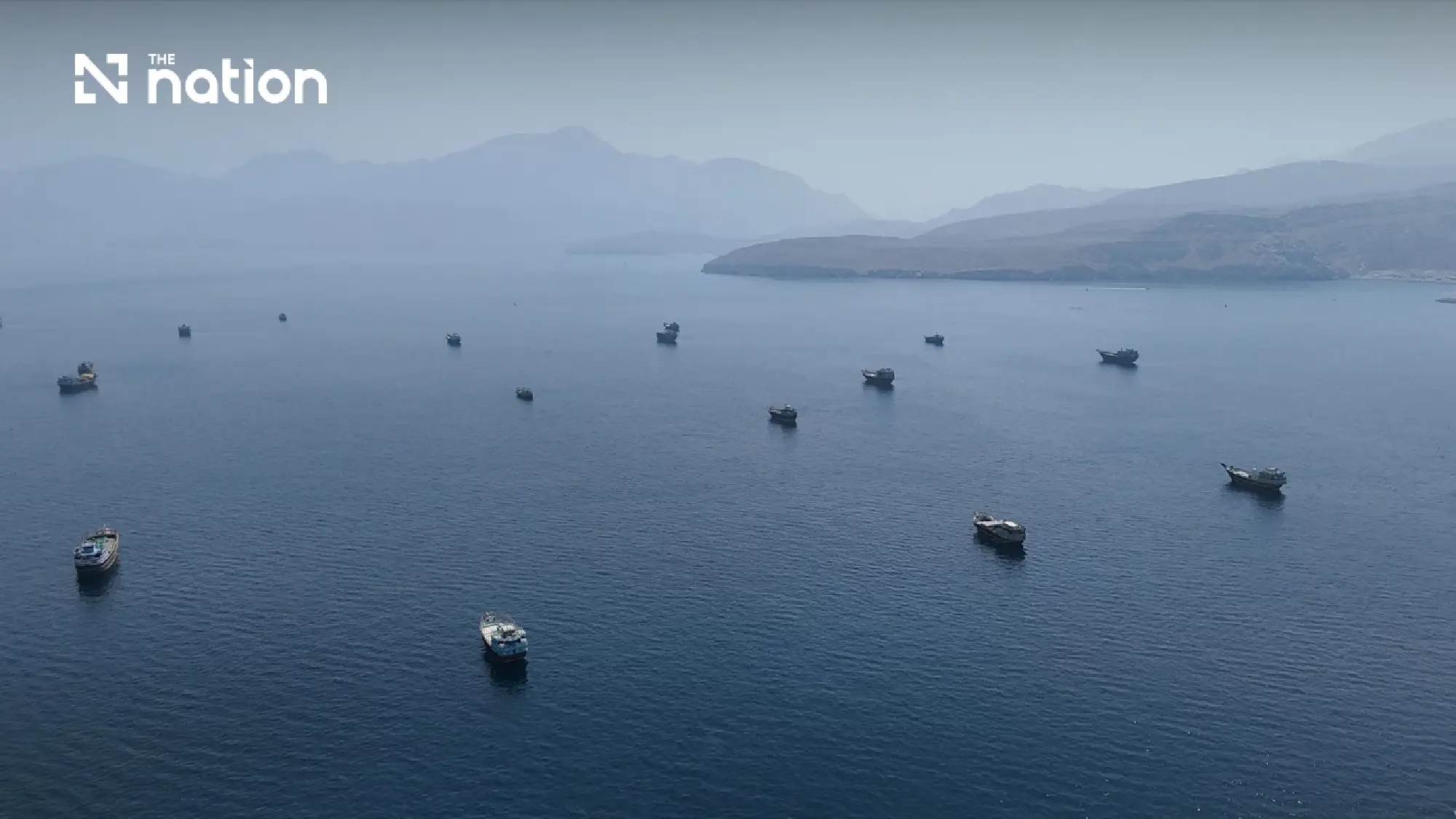
Iran could reopen the Strait of Hormuz within seven days if the US eased military pressure and lifted its blockade of Iranian ports, a senior Iranian official told Reuters on September 22. The Iranian official said Tehran’s delegation to the United Nations General Assembly in New York had full authority to revive diplomacy with Washington.
Hamad Hussain, senior climate and commodities economist at Capital Economics, said the Iranian comments suggested diplomatic efforts could be making progress. “There may also be other obstacles, such as the issue of tolls and fees, to overcome before a lasting solution can be achieved,” Hussain said.
US President Donald Trump dampened expectations of an imminent agreement by saying a peace deal would come after the US midterm elections in early November. Trump also said that, without a peace deal, he could “annihilate” Iran.
Brent and WTI had both fallen by more than US$2 a barrel at their session lows before trimming their losses after Trump’s comments. Investors had hoped the week’s UN General Assembly meetings in New York might produce a breakthrough.
Trump was expected to meet world leaders at the UN gathering, raising market hopes of greater stability in the Middle East and possible progress towards ending Russia’s four-and-a-half-year war in Ukraine.
Ole Hansen, head of commodity strategy at Saxo Bank, said oil prices had limited room to fall further until more supplies moved through Hormuz, particularly refined products, where shortages were most acute.
Diesel prices had reached record highs in Europe and the US as the wars in Iran and Ukraine sharply reduced exports from major producers, including Russia, Saudi Arabia and the United Arab Emirates.

Nagel leaves further ECB rate rises open
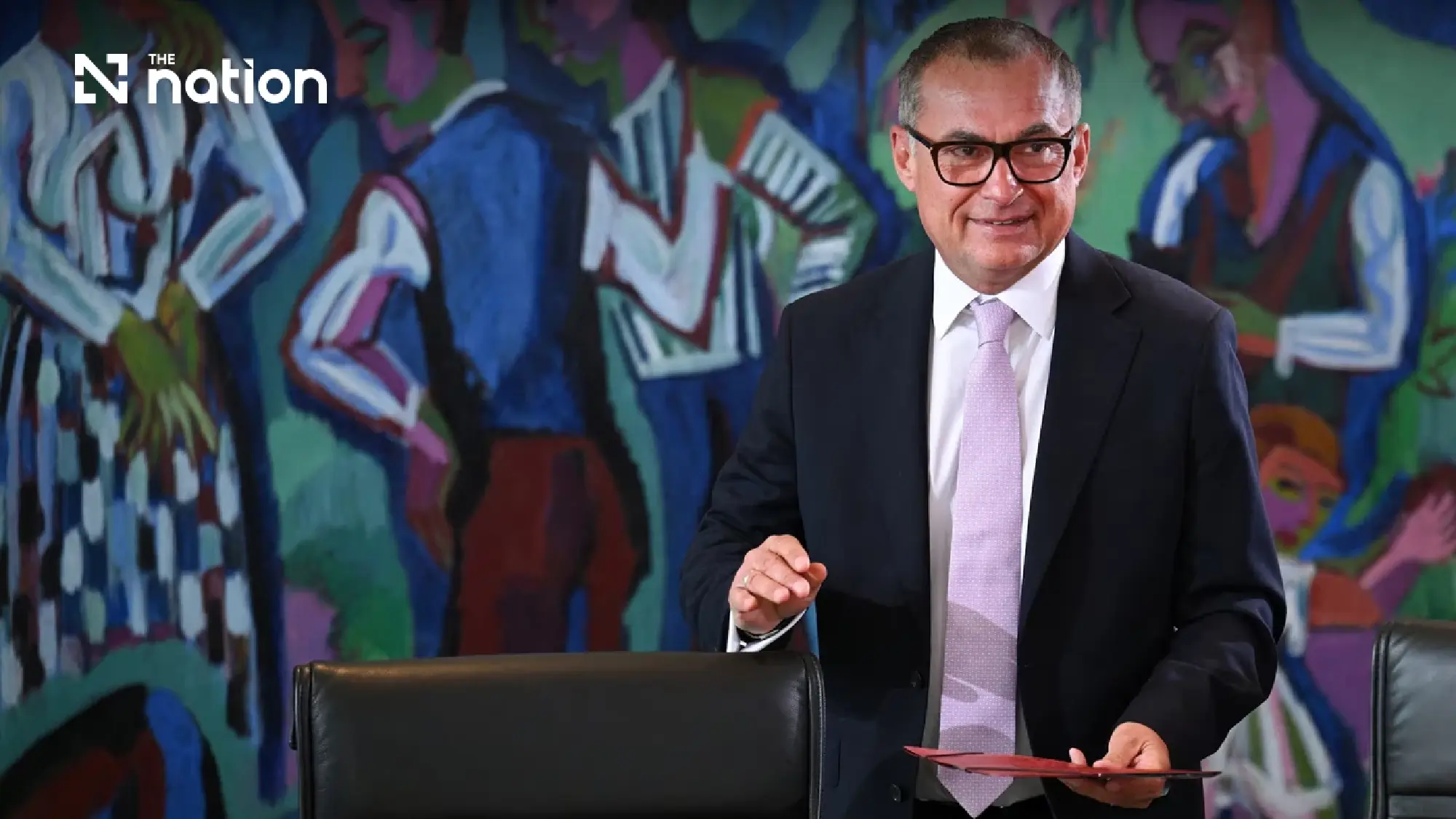
Nagel said high energy prices could require the ECB to raise interest rates further, although oil was only one of the indicators policymakers needed to assess.
“It’s definitely not the only indicator but it’s become a more relevant indicator over the last four years, this is for sure,” Nagel told an event hosted by London’s Society of Professional Economists.
“It is obvious that we in governing council have to look at it and we have to take it into account when we take our decisions,” Nagel said of oil prices.
The ECB had already raised its key rate twice over the summer, but investors were anticipating another three or four increases over the following year. Oil and gas prices had reached levels consistent with the ECB’s “severe” scenario, with inflation potentially peaking at around 4%, twice the bank’s 2% target.
ECB President Christine Lagarde and Vice-President Boris Vujčić had pushed back against market expectations, arguing that interest rates did not move in lockstep with oil prices. Reuters said their remarks suggested the ECB might wait until December before raising rates again.
The ECB’s key interest rate stands at 2.5%. Nagel described that level as neither restraining economic growth nor stimulating it.
“I cannot exclude that if we are confronted with higher energy prices like this, that we have to go into the mild restrictive territory of monetary policy,” Nagel said.
Nagel played down concerns about second-round inflation effects, saying the labour market was considerably softer than in 2022, when energy-driven inflation encouraged higher wage demands and fuelled a wage-price spiral. Nagel said the current data showed no significant second-round effects.
Nagel said the ECB should continue taking decisions meeting by meeting. Policy communication needed to sit somewhere between “constructive ambiguity”, meaning deliberate vagueness, and “forward guidance”, which sets out explicit commitments about future policy moves.
