
Foreigners in Japan’s specified skilled worker scheme hit record high
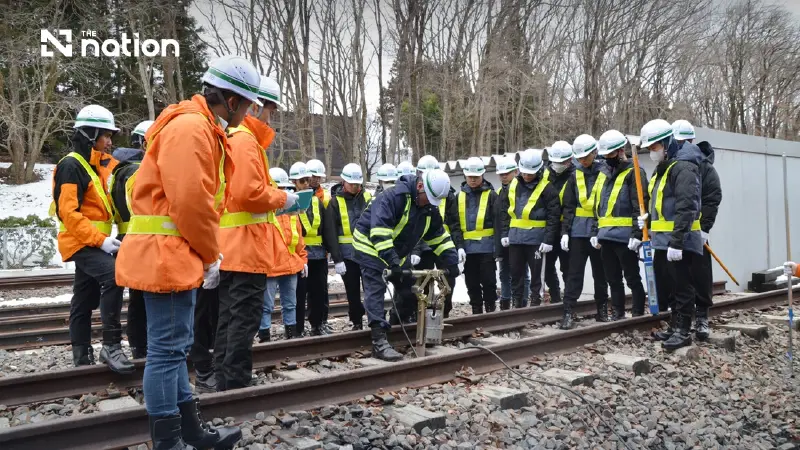


More residents are switching from Type 1 to Type 2, which effectively allows them to work indefinitely in Japan and bring their families.
- As of the end of June, a record 444,256 foreign residents were part of Japan's specified skilled worker program, an increase of 13.8%.
- The program is divided into two visa types; the number of higher-skilled Type 2 workers, who can stay indefinitely, grew to 2.3 times its previous size.
- The leading employers for these workers are food and beverage manufacturers for Type 1 visa holders and the construction industry for Type 2.
- Workers from Vietnam represent the largest national group in the program, accounting for over 75% of all Type 2 visa holders.
Japan’s specified skilled worker programme, created in 2019 to ease labour shortages, covered a record 444,256 foreign residents at the end of June, the Immigration Services Agency of Japan reported on Tuesday (September 29).
The overall population was 13.8% larger than at the end of 2025.
Type 1 accounted for 425,961 residents, up 11.4%, while 18,295 held Type 2 status, bringing that group to 2.3 times its previous size.
The agency also reported that more residents were moving from Type 1 to Type 2.
Such a change means moving from a status with a five-year limit on working in Japan to one that effectively allows indefinite employment and permits holders to bring their families.
Type 2 is for workers with higher skills.
The leading employers were food and beverage manufacturers for Type 1 holders and the construction industry for Type 2.
Nursing care facilities and industrial product manufacturers ranked second and third respectively in the Type 1 employment figures.
The restaurant industry’s Type 1 intake was temporarily suspended in April, with the number of workers in that category nearing the sector’s 50,000 limit.
Workers from Vietnam formed the largest national group under both statuses, accounting for more than 75% of Type 2 holders.
Indonesia was the second-largest source of Type 1 workers, followed by Myanmar.
Saitama, north of Tokyo, had the largest Type 2 population, ahead of Tokyo and Aichi in central Japan.
Among Japan’s 47 prefectures, Aichi led for Type 1, with Tokyo second, Osaka in western Japan third, Saitama fourth and Chiba, east of the capital, fifth.
Metropolitan areas were home to many Type 1 holders.

[Copyright The Jiji Press, Ltd.]
