
Thailand prepares soft power showcase at IMF–World Bank 2026 meetings
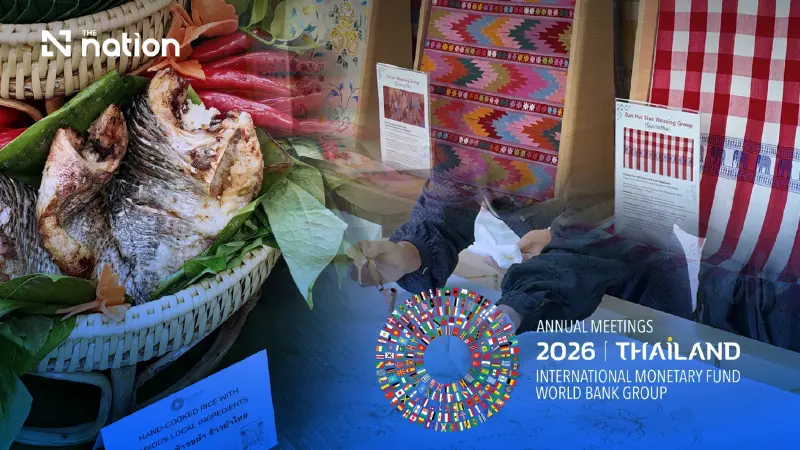


Thai food, heritage textiles and a culturally inspired logo feature at the 2026 IMF–World Bank meetings, showcasing Thailand’s soft power.
- The event's official logo will incorporate traditional Thai motifs, such as the "Pracham Yam" and "Phra Saeng Chakra," to represent national identity and heritage in a contemporary design.
- Thai gastronomy will be highlighted through menus featuring over 70% locally sourced ingredients, Geographical Indication (GI) rice varieties, and modern interpretations of traditional dishes.
- Traditional textiles from 26 communities across Thailand, featuring 37 distinctive patterns, will be used to decorate meeting rooms, showcasing the country's rich weaving heritage.
The International Monetary Fund (IMF)–World Bank Group Annual Meetings 2026, scheduled at Thailand’s Queen Sirikit National Convention Center (QSNCC) from October 12 to 18, 2026, may bring to mind economic figures, interest rates and serious discussions among finance ministers and central bank governors arriving from around the world.
The gathering also presents a “golden opportunity” for Thailand to showcase its cultural strengths through soft power, with meaningful details incorporated into every element of the event.
Thai roots in a logo combining Pracham Yam and Phra Saeng Chakra
The cultural showcase begins with the meeting logo.
Chosen through a design competition, Paithoon Patitsonthicharoen’s winning creation reinterprets Thai identity through the letter “i” in “Thailand”.
- Pracham Yam: Commonly seen on historic Thai buildings, this traditional motif was believed to bring good fortune and offer protection against harm.
- Phra Saeng Chakra: The god Narai’s signature weapon appeared on ancient phot duang, or bullet coins, as a symbol of the Thai nation.
The design combines blue, conveying confidence associated with the Ministry of Finance and the Bank of Thailand; golden yellow, representing Thai-style luxury; and grey, reflecting modern simplicity.
Together, the colours and motifs tell Thailand’s story through contemporary design.


Memorable flavours through geographical indication ingredients
QSNCC executive chef Songpol Kittikhunwatchana is preparing menus with more than 70% of the ingredients selected with community sourcing and sustainability in mind.
Guests can scan quick-response (QR) codes to learn where the ingredients come from.
Local rice takes a prominent place, with geographical indication (GI) varieties served in rotation, including Phayao Hom Mali rice, Thung Kula Rong-Hai Thai Hom Mali rice and Sangyod Muang Phatthalung rice.
The menus also give local rice a fusion treatment in dishes such as “Khao Yam Hua Chai Thai”, a rice salad.
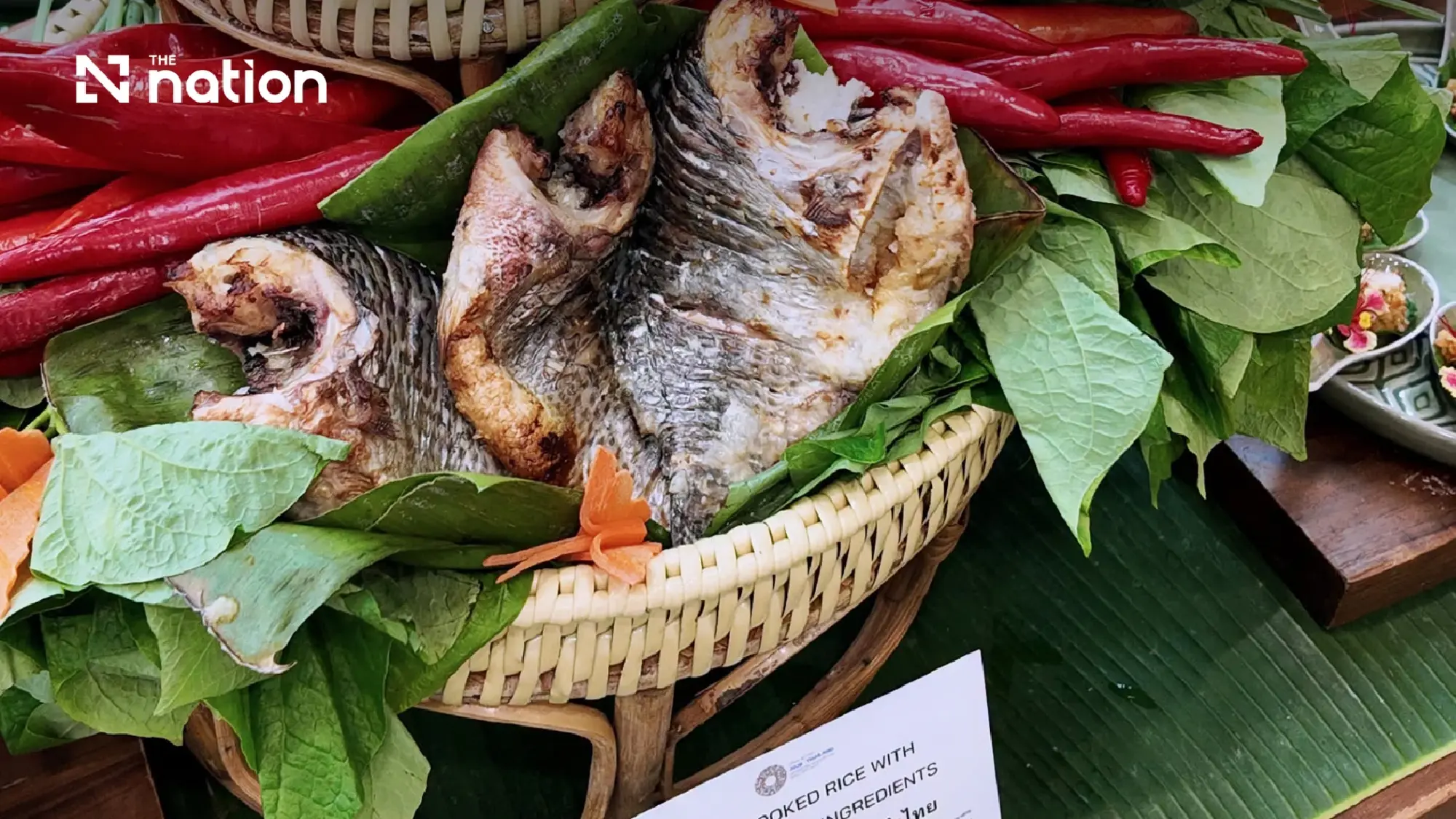
“Dry-aged tilapia finished over a flame” gives an international fine-dining treatment to “Pla Khong Pho”, or “the Father’s fish”, a reference to tilapia bestowed by King Rama IX.
Carefully raised in Ban Pho, Chachoengsao, the fish is dry-aged for a firm texture and served with Khao Yai miso sauce.
Snacks include Betong grilled chicken sandwiches, Sakon Nakhon wagyu beef tarts, Nakhon Si Thammarat chocolate tarts with macadamia nuts, and the much-loved mango sticky rice.
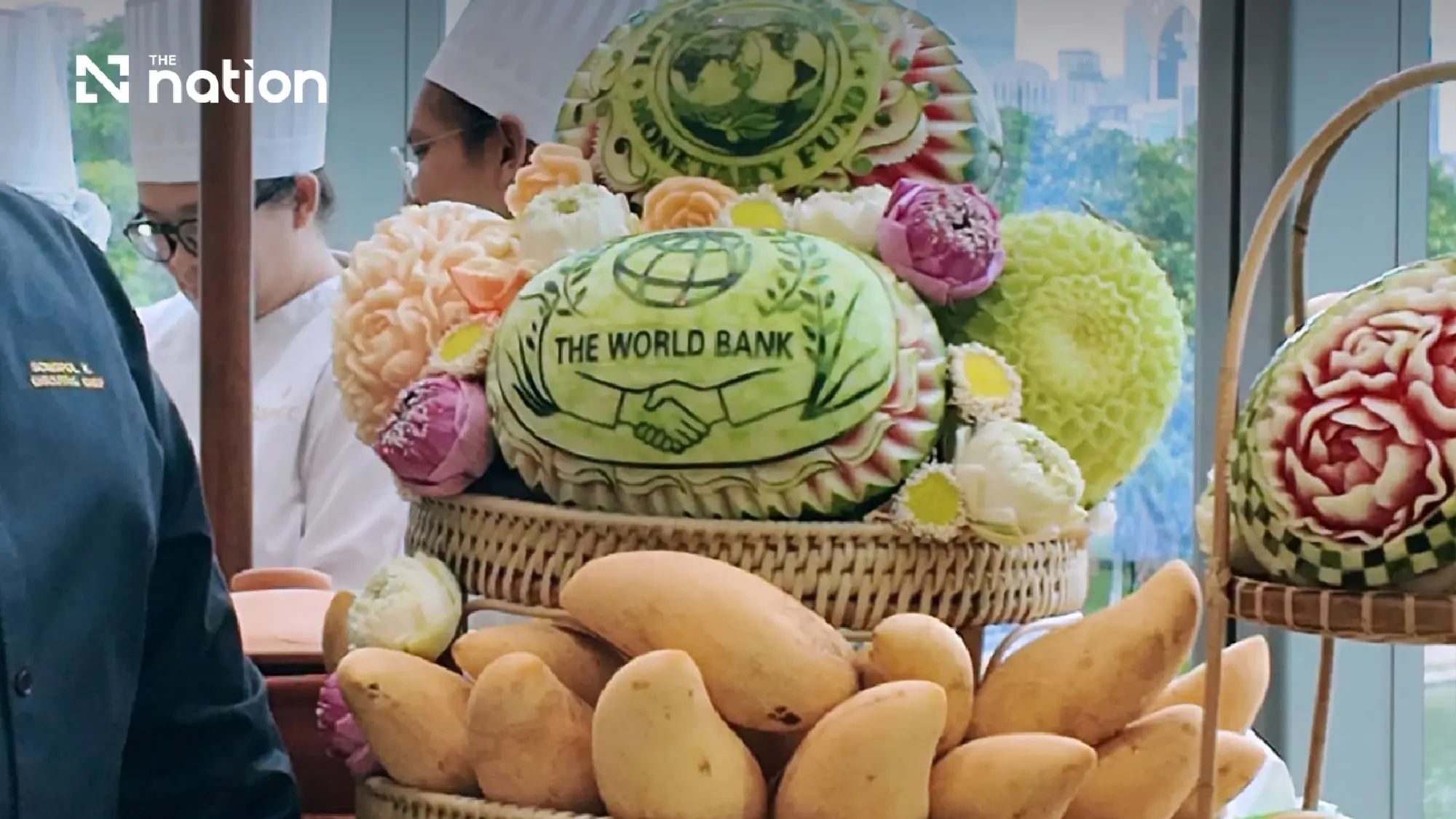
Carts serving fresh seasonal fruit bring a distinctly Thai feel while providing income directly to fruit growers.

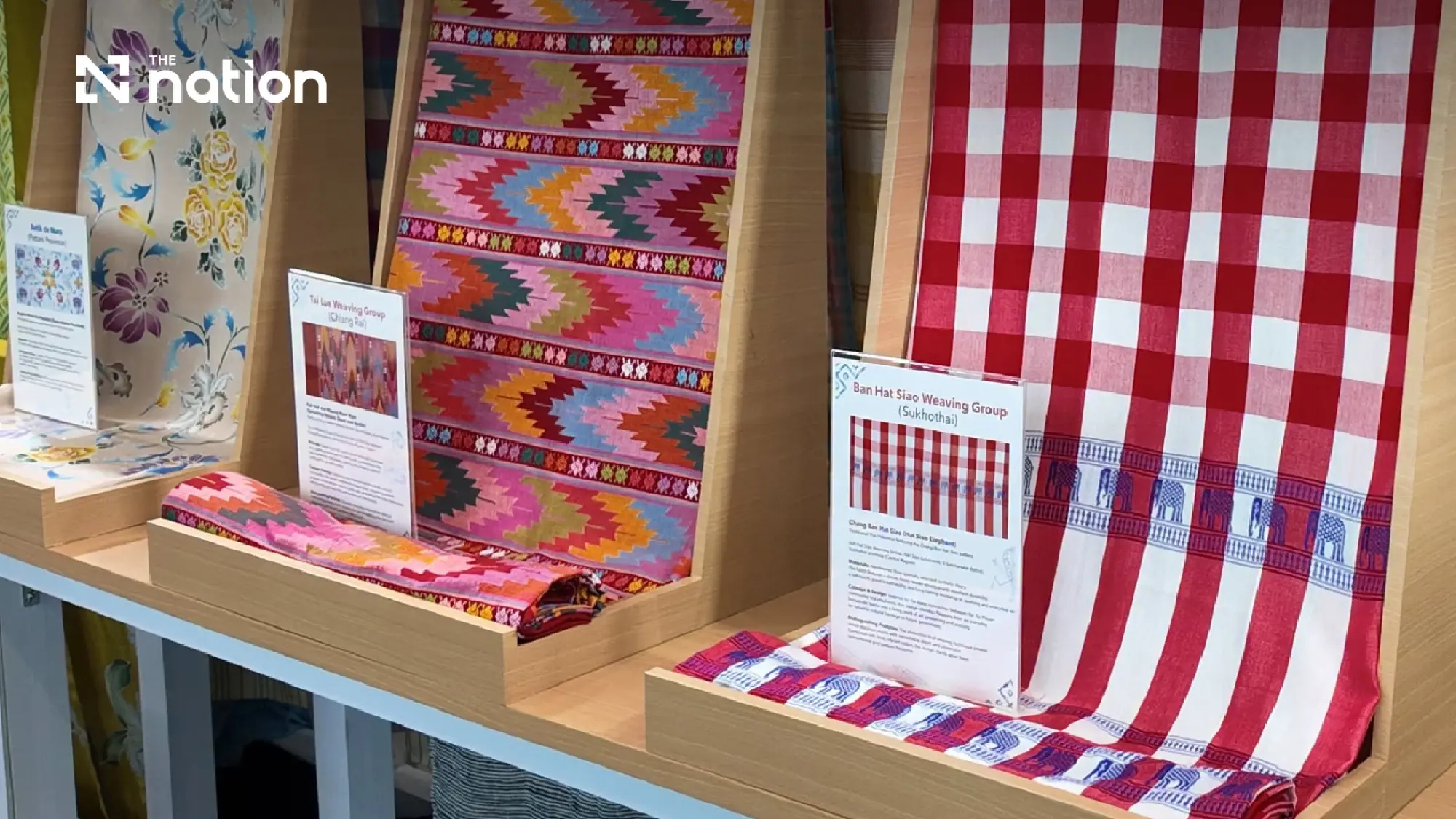

Thai textile heritage from 21 provinces and 26 communities
Traditional Thai textiles take on a contemporary role at the venue.
Woven fabrics bearing 37 distinctive patterns from 26 communities have been selected to decorate meeting rooms and help absorb sound.
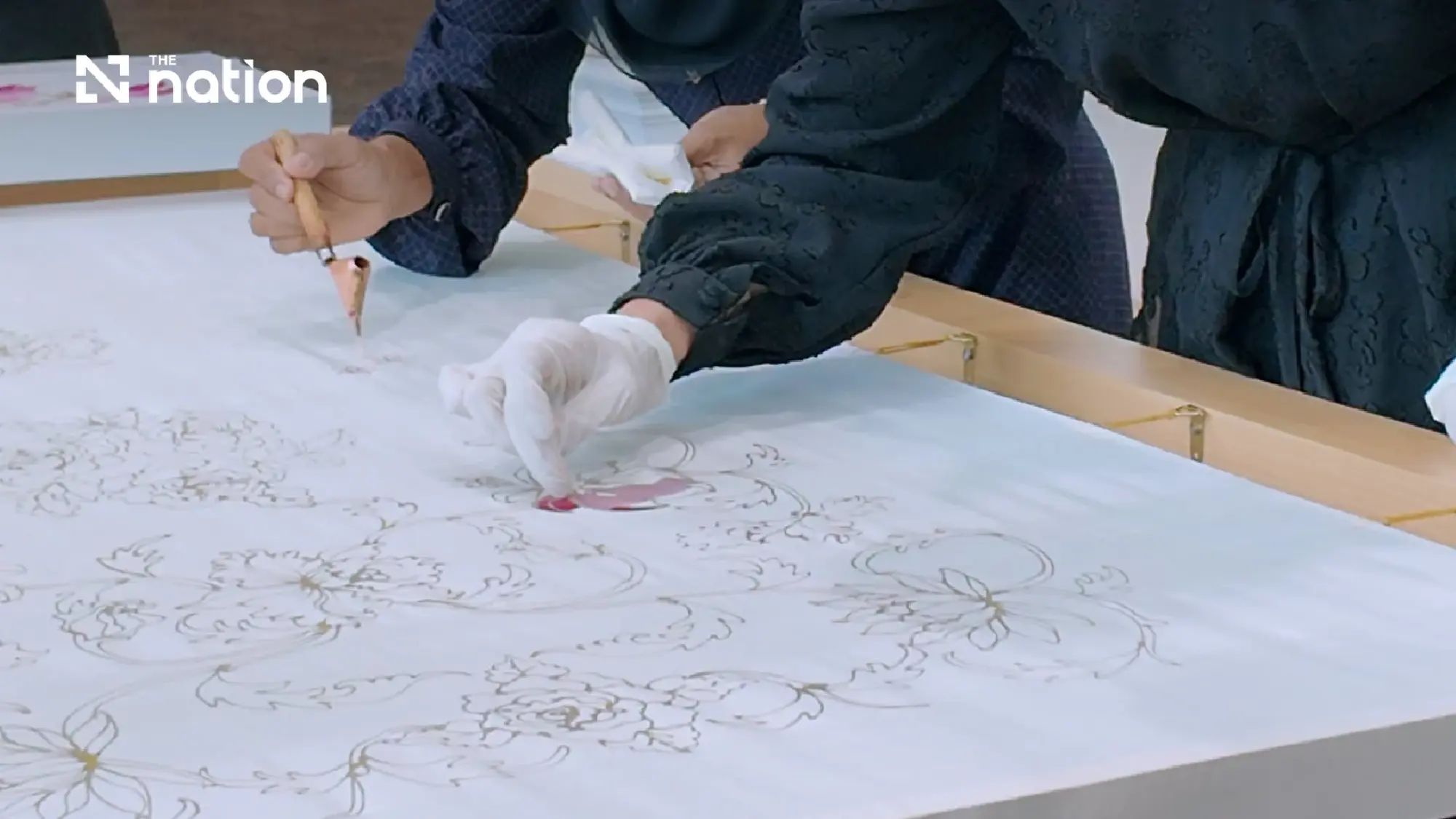
Pattani’s “Buppha Borom Rachineenart” batik features intricate designs drawn by hand using wax and canting tools.
Its favourite flowers and royally bestowed flowers create a striking display.
Tai Lue woven textiles from Chiang Rai feature the ancient “Koh Yod” and “Maeng Mum” patterns, representing progress and the close bonds that hold communities together.
Sukhothai’s pha khao ma cloth features the “Chang Ban Hat Siao” pattern.
Its tiny elephants, rendered in fine detail, recall the history of trade and the grandeur of the past.
Beyond discussions about the global economy, the meetings give Thailand a major stage to present its cultural treasures.
Together, the visual displays, food and warm Thai hospitality promise to leave visiting delegates with unforgettable memories.
