
China's central bank pledges wider access for foreign investors
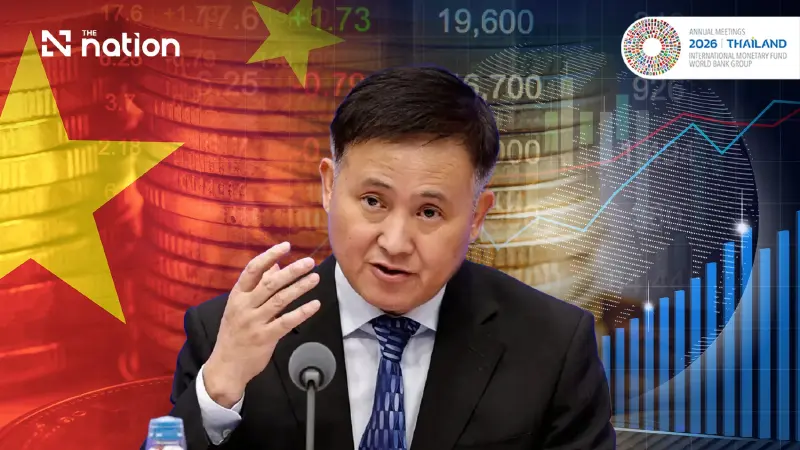


At the IMF–World Bank meetings in Bangkok, China's central bank governor Pan Gongsheng pledges wider market access and greater global use of yuan-denominated bonds.
- The People's Bank of China has pledged to make the country's financial markets more accessible to foreign investors.
- This initiative is designed to attract global capital and expand the international use of the yuan, offering investors greater diversification.
- Planned measures include streamlining investment procedures, expanding financial instruments for risk management, and promoting yuan-denominated bonds as collateral.
- The commitment is part of a wider strategy to open up China's capital markets and increase the yuan's role in international finance.
China has pledged to make its financial markets more accessible to foreign investors as it seeks to expand the international use of the yuan and attract global capital from investors seeking greater diversification.
People's Bank of China (PBOC) Governor Pan Gongsheng outlined the commitment on Thursday (October 15) in a speech on the sidelines of the 2026 Annual Meetings of the International Monetary Fund (IMF) and the World Bank Group in Bangkok.
Pan highlighted the growing appeal of yuan-denominated assets as investors reassess their portfolios in response to geopolitical uncertainty, changes in the global economy and rapid advances in artificial intelligence (AI).
He argued that China's economic performance and technological progress would help strengthen the attractiveness of its financial assets to international investors.
“China’s steady economic growth, and rapid development of high-tech industries provide solid support for RMB assets,” Pan was quoted as saying in a statement issued by the PBOC.
As part of its efforts to encourage greater international participation, the Chinese central bank intends to expand the financial instruments available for managing investment risks while making investment and financing procedures more efficient.
The PBOC also plans to promote wider international acceptance of yuan-denominated bonds as eligible collateral, strengthen cross-border links between financial systems and support the continued development of offshore yuan markets.
The commitments form part of Beijing's broader strategy to open its capital markets and increase the yuan's role in international finance.
China has intensified these efforts as US President Donald Trump's trade war and unpredictable foreign policies have, according to Reuters, weakened confidence in dollar-denominated assets.
At the same time, international financial markets have faced increasing volatility as investors question whether companies spending heavily on artificial intelligence will generate sufficient returns to justify their investments.
Concerns have been compounded by higher borrowing costs, adding pressure on businesses to demonstrate that their substantial AI-related expenditure can deliver sustainable earnings growth.
