
Saudi Arabia, Turkey and Pakistan hold Iran talks as Houthi attacks escalate
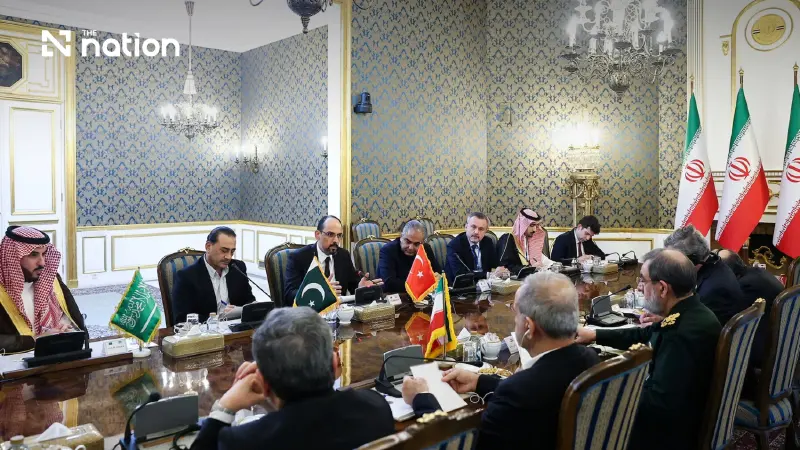


Saudi Arabia, Turkey and Pakistan open high-level talks with Iran in Tehran as regional powers seek to curb escalation and Houthi attacks intensify.
Senior officials from Saudi Arabia, Turkey and Pakistan have held talks with Iranian leaders in Tehran in an effort to reduce regional tensions, as Yemen’s Houthis intensified attacks on Saudi targets and the wider Middle East conflict showed little sign of easing.
The meeting on Monday (October 26) marked the first high-level contact between Iran and the three countries since the war that began with US and Israeli strikes on Iran spread to Saudi Arabia and Yemen. Saudi Arabia, Turkey and Pakistan signed the Mecca mutual defence pact in August.
Saudi Arabia said the visit was intended to open negotiating channels and prevent renewed military escalation.

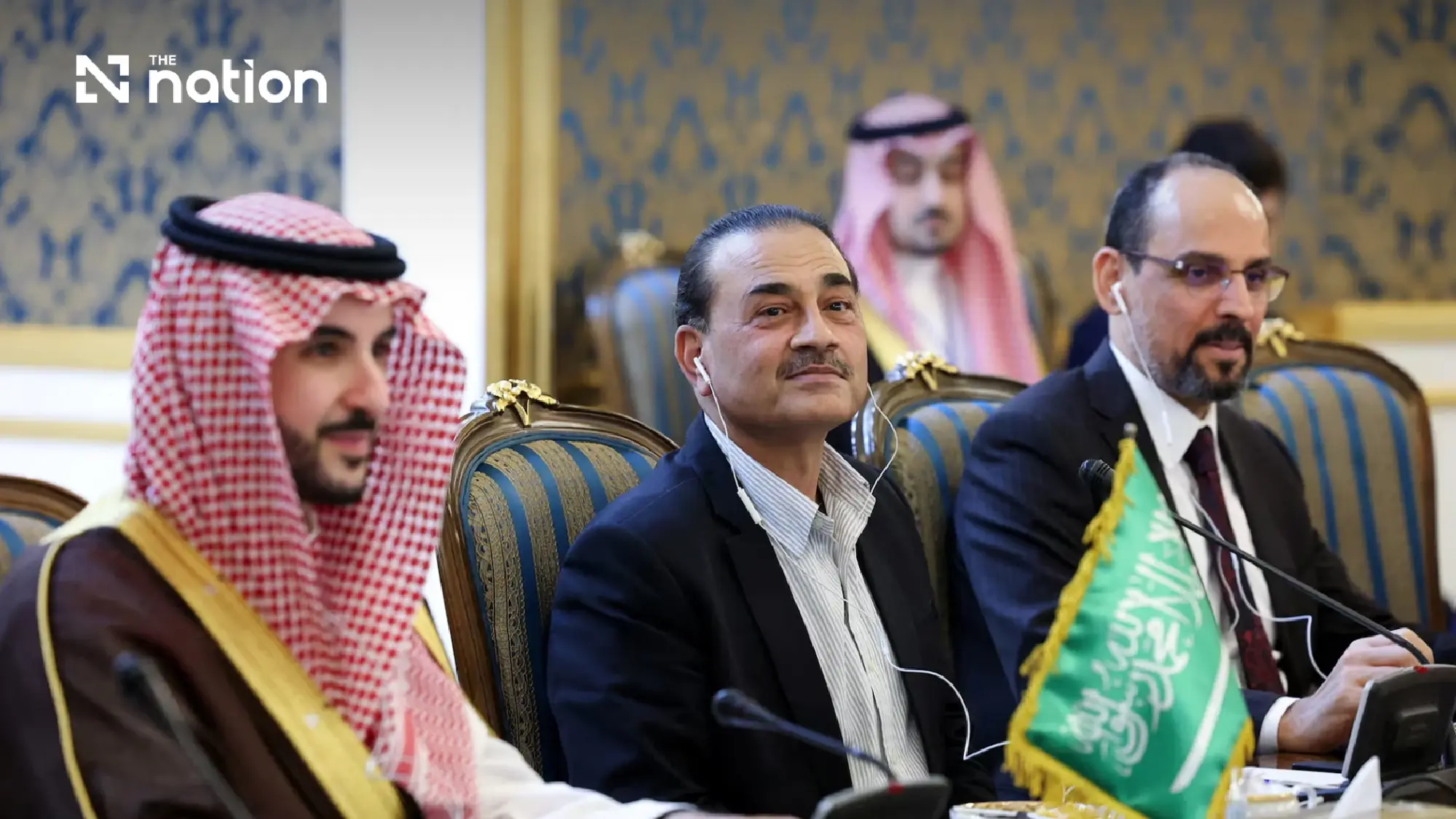
The Saudi delegation was led by Defence Minister Prince Khalid bin Salman, the younger brother of Crown Prince Mohammed bin Salman. Pakistan was represented by army chief Field Marshal Asim Munir, while Turkey sent intelligence chief Ibrahim Kalin.
Iranian President Masoud Pezeshkian, Foreign Minister Abbas Araqchi and Mohsen Rezaei, secretary of the Supreme National Security Council, took part in the discussions.
Iranian state media said the four countries agreed to continue talks aimed at strengthening cooperation on peace and regional security.
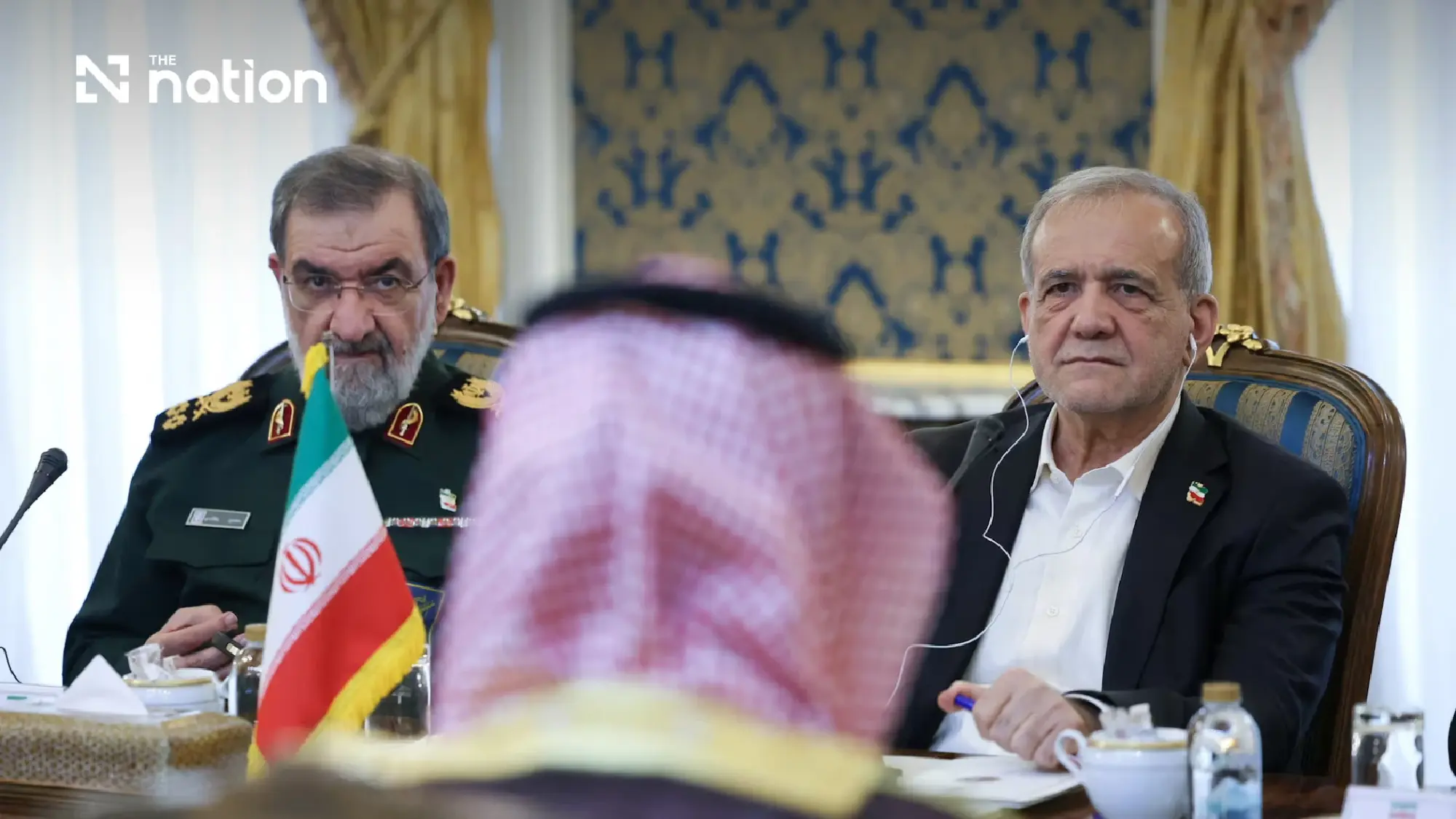

Regional powers seek new security framework
Pakistan and Qatar have been among the main mediators in the conflict.
Earlier diplomatic efforts helped produce an interim peace agreement in June, but fighting between Iran and the United States later resumed before clashes between the Iran-aligned Houthis and Saudi Arabia opened another front.
A senior Pakistani security official told Reuters that Monday’s talks focused on building a regional non-aggression network.
Discussions also covered possible US-Iran talks, Houthi attacks on Saudi Arabia, disruption in the Strait of Hormuz and the US blockade of Iranian ports.
Another Pakistani official said Munir, with approval from US President Donald Trump to pursue diplomacy, had presented Tehran with a proposed solution intended to offer concessions to both Iran and the United States.
The official gave no details, but said countries belonging to the Mecca defence pact, together with Qatar, could act as guarantors if an agreement were reached.
Iran has ruled out discussing its nuclear programme at this stage.
An Iranian official said Tehran first wanted its demands for ending the war addressed, including an end to the US blockade of Iranian ports and the lifting of sanctions on Iranian oil exports.
US Vice President JD Vance has said Iran must reduce uranium enrichment as part of any settlement.

Houthis strike Saudi energy and transport targets
The diplomatic push came as the Houthis announced further attacks on Saudi Arabia.
The group said it targeted pumping stations along Saudi Arabia’s East-West oil pipeline as well as Riyadh airport. Saudi authorities did not immediately confirm the attacks.
Saudi Arabia has stepped up strikes against the Houthis since the group seized strategic areas along Yemen’s Red Sea coast last month.
The Houthis have also targeted Saudi airports, ports and oil infrastructure.
The wider conflict has disrupted shipping through the Strait of Hormuz, pushed up global oil and gas prices and exposed Gulf countries to repeated missile and drone attacks. It has also contributed to a renewed humanitarian crisis in Yemen.

Egypt authorises military support for Saudi Arabia
Egypt’s parliament on Monday authorised the country’s military to help defend Saudi Arabia.
Cairo has said it is considering joining the Mecca defence pact and views Saudi Arabia as a major political and financial partner.
The Mecca Joint Defence Agreement commits signatories to use all necessary means to counter threats to one another’s territorial integrity, sovereignty or internationally recognised borders, according to a copy reviewed by Reuters.
Members held an emergency meeting in Riyadh earlier this month and agreed to ensure the rapid deployment of forces and military capabilities to Saudi Arabia if required.
Pakistan approved the agreement last week, while the ratification process remains under way in Turkey’s parliament.
US-Iran tensions remain high
Despite the regional diplomatic effort, tensions between Washington and Tehran remain elevated.
Trump said on Friday that the United States could strike Iran again, while Iranian security officials told Reuters that Tehran had drawn up plans to target undersea cables in the Gulf if the US and Israel launched further attacks.
Rezaei said the Tehran meeting reflected what he described as a more positive regional atmosphere, while Iranian Foreign Ministry spokesman Esmaeil Baghaei suggested the talks could become a first step towards a broader regional security mechanism.
Source: Reuters
