
Anutin and Bhutanese PM seek closer economic ties through FTA
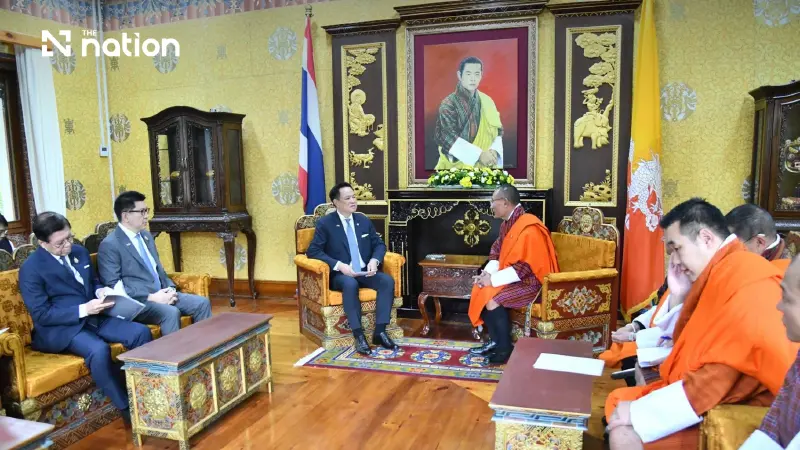


Thailand and Bhutan plan to use their free trade agreement to expand trade and investment, while deepening cooperation in healthcare, education and clean energy.
Thailand and Bhutan are seeking to strengthen their longstanding friendship and turn closer bilateral relations into tangible economic benefits, with both sides looking to maximise opportunities under their free trade agreement (FTA).
The priorities include boosting Thai exports of food, agricultural products and vehicles, encouraging Thai private-sector investment in infrastructure, logistics and clean energy, and expanding cooperation in healthcare and human resource development.
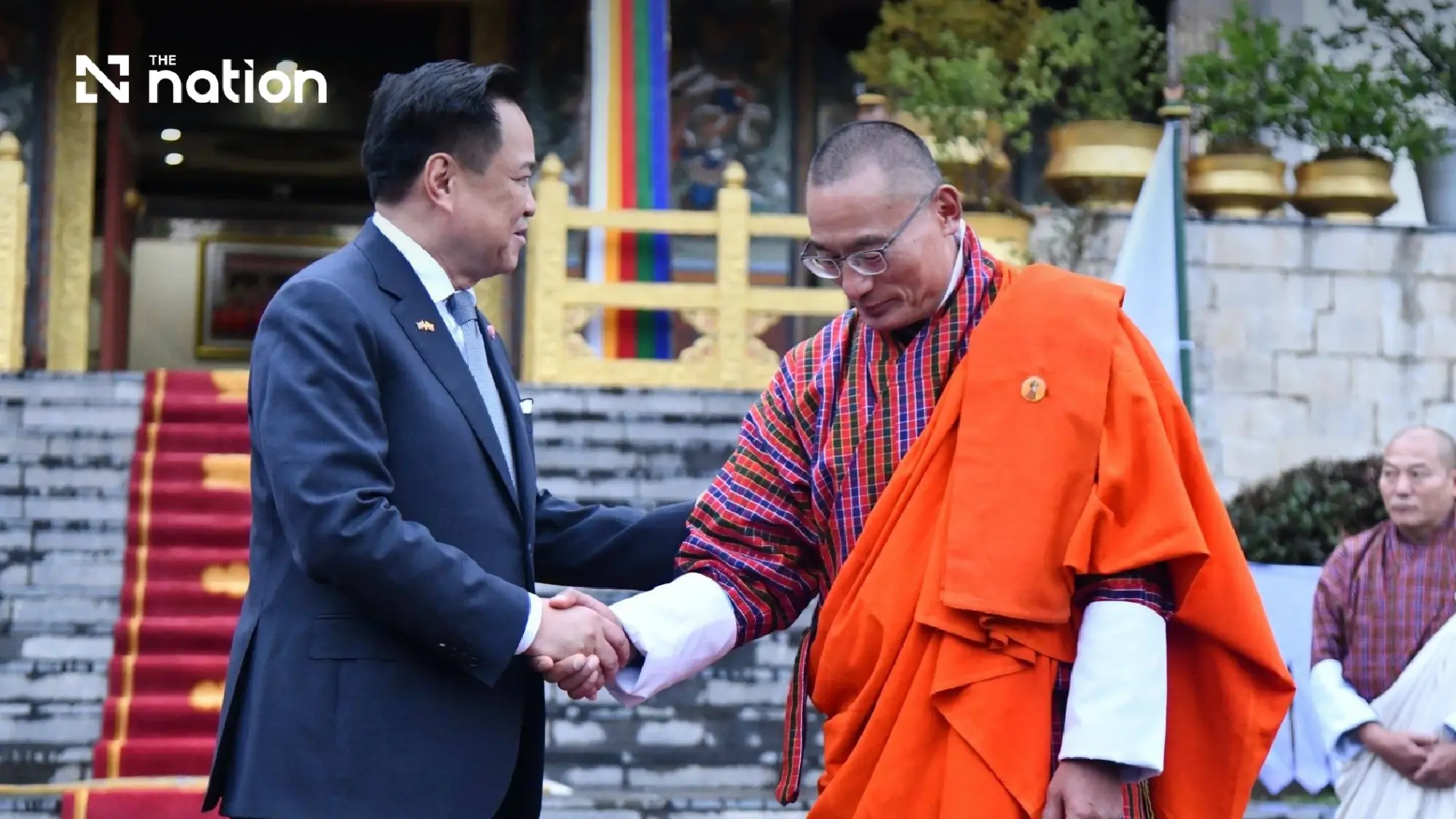
Prime Minister and Minister of the Interior Anutin Charnvirakul held bilateral talks with Bhutanese Prime Minister Dasho Tshering Tobgay at the Bhutanese Prime Minister’s Office (Gyalyong Tshogkhang), in the Parliament Building in Thimphu, on Friday (October 30). Anutin was visiting Bhutan officially at the invitation of his Bhutanese counterpart.
Government Spokesperson Ekkapob Pianpises outlined the main outcomes of the discussions.

Strong royal and people-to-people connections
Both leaders reaffirmed the close relationship between Thailand and Bhutan, noting that although the two countries do not share a border, they have maintained strong bonds of friendship.
The longstanding ties between their respective royal families form an important foundation for bilateral relations. The leaders also highlighted the popularity of Thailand among Bhutanese tourists and the strong demand for Thai products, reflecting the close connections between their peoples.
Anutin explained that his visit followed a meeting with Tshering Tobgay on the sidelines of the United Nations General Assembly in New York, during which the Bhutanese leader invited him to visit Bhutan and attend an important event in Gelephu on November 1.
The event will mark the construction of 108 stupas under a royal initiative of Bhutan’s King, reflecting the shared Buddhist beliefs and cultural traditions of the two countries.
Anutin expressed his appreciation for the invitation, saying the visit would provide an opportunity to reinforce friendship and further strengthen cooperation.

FTA opens new trade and investment opportunities
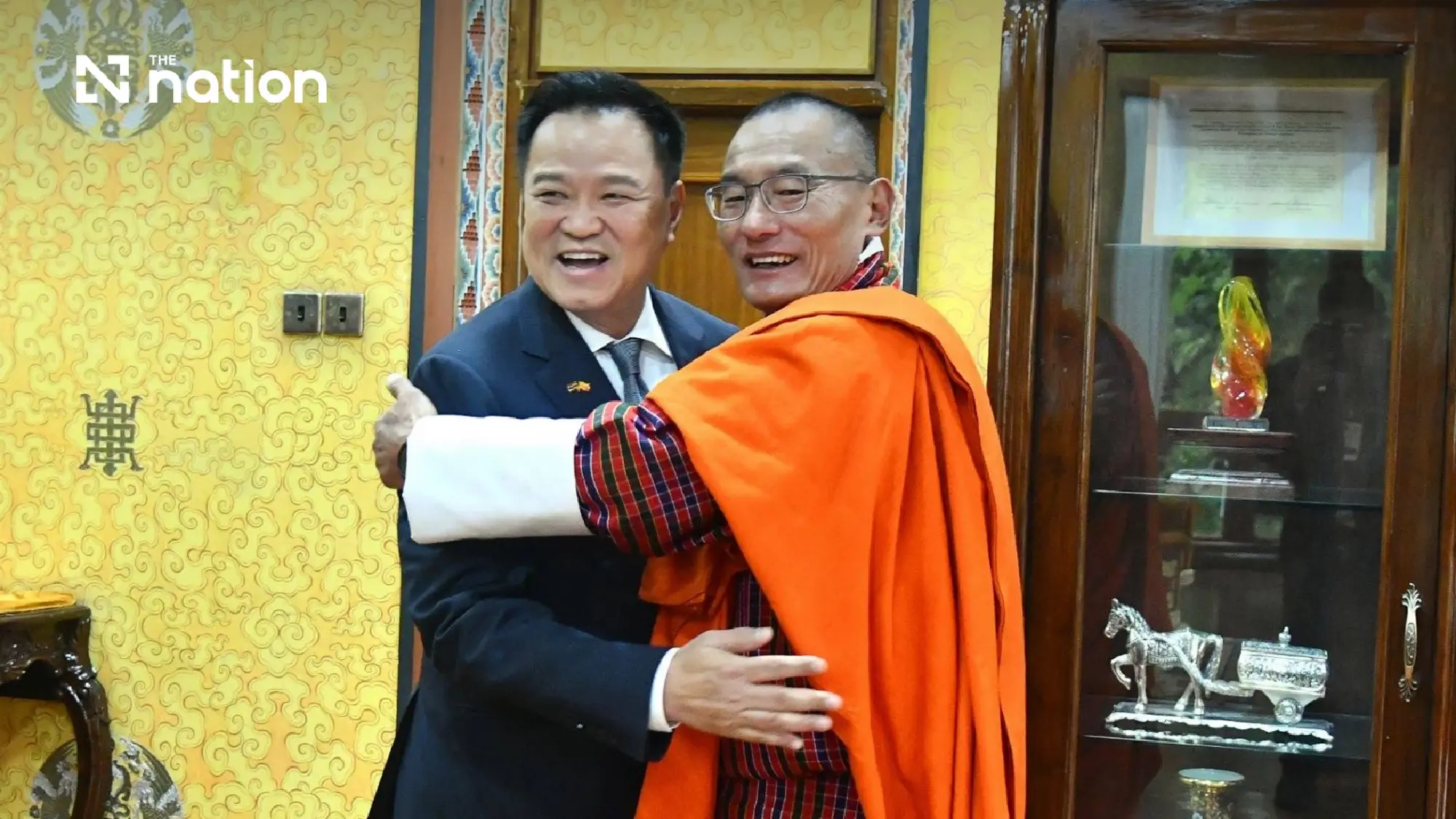
On economic relations, trade and investment, the two leaders welcomed the Thailand-Bhutan Free Trade Agreement, agreeing that it would serve as an important mechanism for increasing bilateral trade and creating new economic opportunities.
Tshering Tobgay described the agreement as a significant turning point that would improve the competitiveness of Thai products in the Bhutanese market.
He highlighted the automotive industry, noting Bhutan's interest in importing more vehicles from Thailand, as well as processed food manufacturing, which could use Bhutanese raw materials to create higher-value products.
Anutin stressed that there was considerable room to expand trade and investment between the two countries. Thailand has the capacity to supply high-quality food and agricultural products, including jasmine rice, seafood, chicken and pork, which match demand in the Bhutanese market.
He also encouraged Bhutan to provide opportunities for Thai businesses to participate in developing infrastructure, logistics systems, industrial estates and energy projects.
Both sides should also promote agricultural trade and explore further investment opportunities in Gelephu, which has considerable potential for future economic development, Anutin added.

Healthcare and education cooperation
On public health and medical personnel development, Anutin reaffirmed Thailand's readiness to support improvements to Bhutan's healthcare system and the training of its medical workforce.
Bhutan, meanwhile, expressed interest in encouraging more of its citizens to travel to Thailand for medical treatment and healthcare services, particularly for complex conditions requiring specialised expertise and facilities.
In education and human resource development, Tshering Tobgay expressed interest in expanding educational cooperation with Thailand, particularly by encouraging more Bhutanese people to learn the Thai language.
The initiative would help develop personnel capable of supporting Thai businesses operating in Bhutan, creating more employment opportunities and strengthening economic links between the two countries.

Clean energy and private-sector partnerships
On clean energy and sustainable development, Anutin proposed that the energy ministers of both countries hold discussions to identify ways to broaden cooperation in clean energy, encourage investment in environmentally friendly industries and support sustainable economic growth.
He also proposed organising a business forum to bring together private-sector representatives from Thailand and Bhutan, giving entrepreneurs from both countries an opportunity to establish contacts and explore partnerships in promising areas such as technology, energy and infrastructure.
The two leaders welcomed plans to sign three cooperation agreements on October 31, describing them as another important step towards expanding bilateral ties in the years ahead.
At the end of the meeting, Tshering Tobgay conveyed that Bhutan's King attached great importance to Anutin's visit and wished the Bhutanese side to extend a particularly warm welcome to the Thai prime minister.
The gesture reflected the friendship and close relationship shared by the two countries.
