
US embassy issues warning over possible attack at Moscow museum
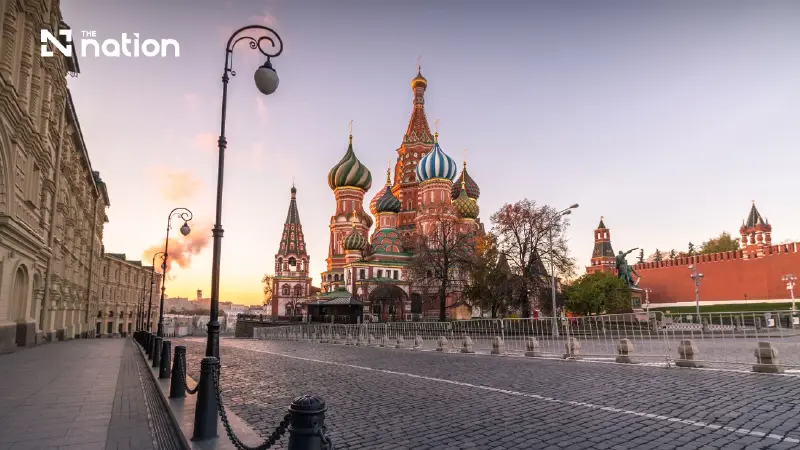


Russian authorities ordered an evacuation at Tsaritsyno Museum Reserve during a concert, following a US warning about a threat of mass casualties.
- The US embassy in Moscow issued an emergency security alert based on "credible information" of a potential mass casualty attack at the Tsaritsyno Museum Reserve.
- The US government is coordinating directly with Russian agencies, and Russia's Federal Security Service (FSB) confirmed it received the intelligence from its US partners.
- Following the warning, Russian authorities evacuated the museum, citing "technical reasons," and deployed a significant number of security officers to the site.
The US embassy in Moscow issued an emergency security alert on Saturday (October 31, 2026), warning of a high risk of a mass casualty event in the Russian capital and coordinating directly with Russian officials to address the threat, The Moscow Times reported.
“The US embassy in Moscow has received credible information about a threat that could cause large numbers of injuries and deaths today at Tsaritsyno Museum Reserve, a museum and historic park at 1 Dolskaya Street, Moscow, Russia.
The US government is coordinating closely with the relevant Russian agencies on further action,” the embassy’s statement read.
It also warned people to avoid the area and take additional precautions for their personal safety.

A Russian state news agency subsequently reported that Russia’s Federal Security Service (FSB) had received information from US authorities about the terrorist attack plans.
FSB officials stated: “We have received information from our US partners about plans for a terrorist attack in Moscow and are now taking appropriate measures in response.”
Following the warning, Russian authorities ordered people to evacuate Tsaritsyno Museum Reserve immediately while musician Lilia Pechenkina was giving a concert.
“As I was playing the final piece on the programme, an emergency evacuation announcement suddenly sounded over the loudspeakers,” she told the news outlet Ostorozhno, Novosti! Meanwhile, security staff told reporters that the museum had to close temporarily for “technical reasons”.
The Baza Telegram channel, which is believed to have links to Russia’s security services, reported that around 50 officers had been urgently deployed to the area and that police vehicles were carrying out intensive patrols around the site.
The episode prompted comparisons with a US warning to Moscow about an impending terrorist threat in 2024, before the Crocus City Hall attack on Friday (March 22, 2024) left 145 people dead and hundreds injured.
However, at the time, Russian intelligence head Sergei Naryshkin criticised the US information as “too broad” and insufficient to allow officers to identify the perpetrators in time.
