
US strikes Iran’s Qeshm Island before November 3 midterms
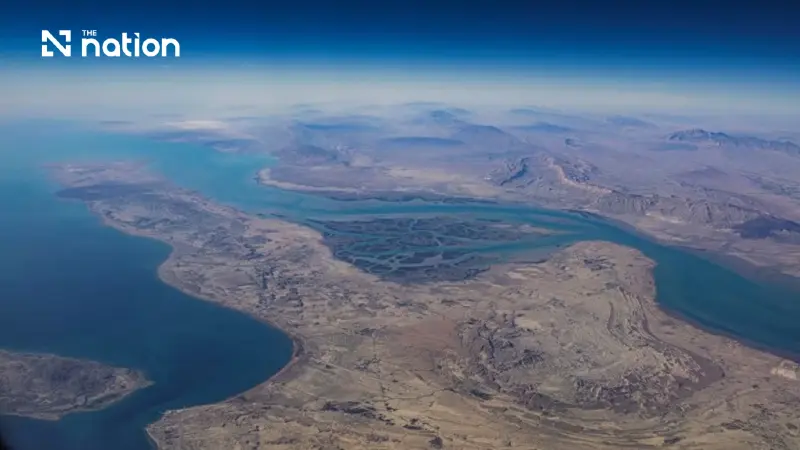


US officials describe the Qeshm Island strikes as defensive, while Iran threatens retaliation and Trump leaves open both a deal and further attacks.
- US forces carried out limited strikes on Iran's Qeshm Island on November 2, 2026, the day before the midterm elections.
- US officials described the operation as a defensive measure to protect American assets, specifically in response to Iran firing surface-to-air missiles.
- The administration reportedly kept the attack quiet to avoid overstating the defensive action while diplomatic negotiations with Tehran were ongoing.
- In response to the strikes, Iranian leaders rejected the military pressure and threatened an "unpredictable" retaliation to any further attacks.
US forces carried out limited strikes on Iran’s Qeshm Island on November 2, 2026, three US officials told CNN, describing the operation as defensive and intended to protect American assets ahead of the following day’s midterm elections.
Iran’s state-affiliated Fars News Agency reported several explosions on Qeshm in the early hours of November 3 local time. Residents of nearby Hengam Island and the port city of Bandar Abbas also heard the blasts, according to Fars.
The operation came as President Donald Trump and Vice President JD Vance expressed optimism about negotiations with Tehran, while Iranian leaders threatened a wider response to renewed military action.
US officials link Qeshm strikes to fire on American aircraft
One US official attributed the operation to Iran firing at an American aircraft. Another described the action as a response to Iranian forces using surface-to-air missiles against US assets.
“This was a defensive measure for Iranians using surface to air missiles against US assets,” the second official told CNN.
The Qeshm strikes appeared narrower in scope than the major combat operations under consideration in Washington. The Wall Street Journal, which first disclosed the operation, reported that other strikes had previously been conducted without public disclosure.
A person familiar with the matter told CNN that the administration deliberately kept the latest attack quiet to avoid overstating the defensive action. Protecting US assets was the purpose of the strikes, the person added.

Iran threatens an unpredictable response to further attacks
Iranian parliamentary speaker Mohammad Bagher Ghalibaf, who is leading negotiations with Washington, issued a statement early on November 3 rejecting military pressure.
“The Iranian nation will not surrender to the enemy’s threats and military actions,” Ghalibaf declared, adding that its “military and strategic response to any enemy miscalculation will be unpredictable”.
Iran’s Supreme Leader Mojtaba Khamenei had stated on October 31 that a major new attack would trigger a response “without geographical limitations”.
A senior security official in Tehran separately told CNN that Iran would try to target infrastructure beyond oil facilities, including infrastructure associated with artificial intelligence.
Trump keeps diplomacy open while raising nuclear-site strike option
Trump indicated on social media on November 2 that negotiations remained active and an agreement with Tehran “could happen”. The president had pledged on October 8 that the United States would not attack Iran before the midterm elections, while leaving the prospect of subsequent action unresolved.
Vance also reported progress towards ending the conflict. Speaking to reporters after discussing the war with Trump, the vice president indicated that both men felt “pretty good” about the possibility of a negotiated settlement.
“The Iranians are always a little unpredictable, and as the president always says, he retains kinetic options, he retains non-kinetic options. But we’ve certainly made some progress. We’ll see if we can make some more,” Vance said.
Trump nevertheless raised another possible military target during a Fox News interview broadcast on November 2. Without specifically addressing reports of the Qeshm operation, the president suggested that US forces “might have to go after” Pickaxe Mountain.
Pickaxe Mountain is a suspected underground nuclear site where Israel believes Iran has stored part of its enriched uranium stockpile and advanced enrichment centrifuges.
“That’s not a big deal. We can do it in literally, we can do that in one hour. Okay, as soon as we want, at any time we want,” Trump said.
Trump has repeatedly floated an attack on the site during the war. In July, the president suggested that US forces would strike Pickaxe Mountain “probably pretty soon”.
During the Fox interview, Trump also defended his decision to launch the war while playing down the extent of recent fighting.
“We’re not fighting a war. Everyone says ‘you’re at war!’ Well, when was the last time we fired anything? This isn’t a war — it’s a very soft war … But this isn’t like a war that’s going on. There’s no war raging. It could happen if they don’t make a deal, but they want to make a deal very badly and there’s a very good chance we make a deal,” Trump said.

Qeshm’s position near Hormuz gives the strikes wider significance
Qeshm lies about 23 kilometres, or 14 miles, from Bandar Abbas and is important to Iran’s efforts to control shipping through the Strait of Hormuz. Before the war, approximately 20 million barrels of oil passed through the waterway each day.
US forces have previously targeted Qeshm during the conflict.
Oil prices rose in early Asian trading on November 3 after reports of the latest strikes. Prices had previously fallen sharply as traders assessed signs of progress in US-Iran diplomacy.
Despite that earlier decline, US petrol and diesel prices remained on course to be the highest recorded on any American Election Day, according to CNN.
Source and images: CNN
