
US urges stronger cyber defences for industrial refrigeration
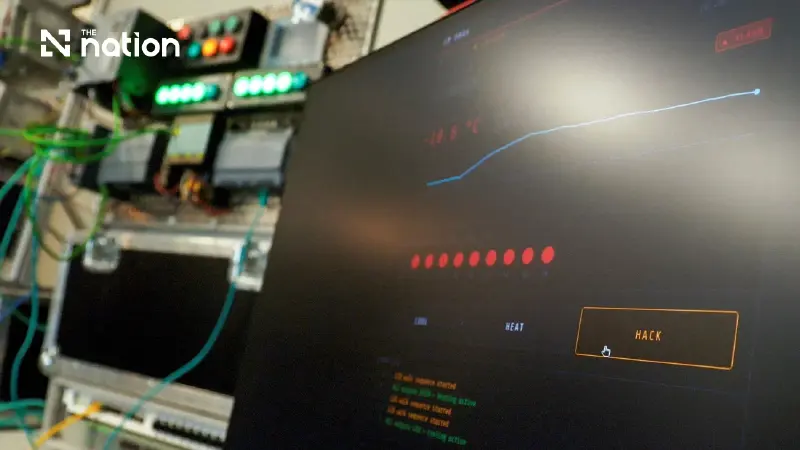


Hackers are targeting internet-accessible controls at grocery retailers and cold storage sites, where tampering could cause stock losses and fire hazards.
- US federal agencies, including the FBI and CISA, issued a joint alert following a series of recent cyberattacks on industrial refrigeration systems in Europe and the US.
- Hackers are targeting vulnerabilities in two types of internet-accessible devices: electronic temperature controllers and commercial refrigeration controllers.
- A successful attack could allow hackers to remotely change temperatures, potentially causing inventory loss, equipment damage, and fire hazards.
- Authorities are urging organizations to strengthen defenses by removing refrigeration controls from the public internet, isolating them from corporate networks, and applying software updates.
Federal agencies in the United States issued a joint alert on Thursday (November 5, 2026) after a wave of hacking affected more than 100 stores across Europe on Monday (November 2).
With the cyber threat to industrial refrigeration still active, the agencies urged every organisation that relies on cold storage to assume it could be targeted.
Commercial fridges and freezers in the US and Europe have faced three or more waves of hacking in recent months.
A widespread attack on freezers in France in October caused damage running into tens of millions of euros.
Refrigeration units at grocery stores on US military bases malfunctioned for unexplained reasons in August.
Reuters first reported last week that Pentagon investigators were treating the incidents as a suspected cyberattack.

The incidents have raised concerns that hackers could tamper remotely with refrigeration equipment and other critical devices.
Brett Leatherman, Cyber Branch operations director at the Federal Bureau of Investigation (FBI), said US authorities were “seeing these systems targeted across critical infrastructure sectors globally”.
The FBI issued the alert with the Cybersecurity and Infrastructure Security Agency (CISA) and the US departments of Health and Human Services, Transportation and Agriculture.
The agencies did not identify the hackers but said they were targeting flaws in two types of devices that can be reached over the internet at grocery retailers and cold storage sites.
These are electronic temperature controllers and commercial refrigeration controllers.
“If successfully exploited, the actors could change the temperature and possibly cause physical impacts such as fire hazards, loss of inventory and changes to the service life of the system,” the agencies said.
“Every organization that depends on refrigeration and monitoring systems should assume it could be a target,” said Chris Butera, CISA’s acting executive assistant director for cybersecurity.
The agencies urged operators to remove industrial refrigeration controls from the public internet, isolate them from corporate networks and apply software updates promptly.
Source: Reuters
