
Pots of gold in the valley of death: clues for investors


The global turbulence in financial markets since the beginning of August has undoubtedly zapped investors' confidence.
The price of almost every type of financial asset has fallen to a level not seen since the last financial crisis gripped the world. It seems we have entered the “valley of death”, where any kind of return is killed by the immortal monster of a financial crisis born from the collapse of Lehman Brothers in late 2008.
Looking past this present turmoil, however, we see a paradigm shift on several fronts of the world economy that, if correctly envisaged, might lead to handsome returns in the future. Visionary investors may be able to turn this seeming “valley of death” into their pot of gold.
These “tectonic” shifts are elaborated in a recent special report by the Economist magazine. To sum up, this shift in paradigm covers five main areas: First and foremost is the area of the world economy. Crippled by the crisis, it’s a no-brainer to predict that growth in emerging economies, especially those with huge resources and large labour pools, will be stronger than in developed ones. According to PricewaterhouseCoopers, China and India will overtake the US and Japan as the world’s No 1 and No 3 economy in a decade or two, while the IMF forecasts that in the next two years, the emerging market as a whole will produce more than half of the world’s total output, measured at purchasing-power parity.
Having said that, there are modifications that these economies need to make in order to achieve sustainable growth path. For example, the reliance on one economic component as a sole engine of growth is dangerous and prone to crisis. This varies on a case-by-case basis. China, for example, needs to be less reliant on export and investment, and increase its domestic consumption. The opposite case is true for Brazil where 61 per cent of GDP comes from indebted consumers.
The other point of concern is the financial industry, in which state-owned institutions normally play a major role. This frequently results in a bad allocation of capital and inefficient lending, which leads to ill-judged projects and, subsequently, bad debts. The promotion of privately owned financial institutions, capital and money markets is needed to achieve a more sustainable growth.
The second paradigm shift is in world currency. The current system, where 60 per cent of the world’s US$9.7-trillion reserve is in US dollars and another 20 per cent in euros, is a troublesome regime. By placing its trust in the US and European central banks, the world is in effect handing a blank cheque to these two to print money as much as they want. This has created a global financial imbalance – the root cause of the current crisis.
Some economists expect the yuan to replace the dollar as the world anchor currency in the next 10 years, due to the increasing size of the Chinese economy and its dominance in global exports. The launch of yuan-denominated (or “dim sum”) bonds is seen as a way to increase the quantity of the currency’s financial asset in the global financial market. But with only 0.3 per cent of global currency trade in yuan, compared with the dollar’s 85 per cent, regime change has a long way to go.
The third shift is on the commodity front. Since the beginning of the new century (except during the height of financial crisis in 2009), commodity prices, especially in the industrial sector, have generally experienced an upward trend. This is simply due to the surge in demand – especially from the resource-hungry emerging markets – and limited supply. China has played a big part, with its GDP and resource growth (especially oil) growing at roughly the same rate – 8-10 per cent per year. This increase in commodity prices will be with us for years to come.
The fourth shift is in the job market, in both emerging markets and developed economies. The rise of emerging markets has created a greater demand for skilled labour in those countries, which will subsequently lead to a rise in wages. The recession in the rich world, on the other hand, means that demand for skilled labour there is reduced. Moreover, the advance in communication technology means that some of the high-paying jobs in the rich world can be “off-shored” to developing countries.
The last area of paradigm shift is capital flow. Conventional wisdom has it that foreign direct investment (FDI) will flow from wealthy and cash-rich countries to poorer emerging ones. Since 2003, however, that trend has started to reverse. The World Bank reports that so-called south-north mergers & acquisitions have risen 17 per cent since then. Flagship deals, like those between India’s Tata Motors and the UK’s Jaguar, and Thailand’s TUF and Europe’s MW brand, made headlines for several days.
These tectonic shifts provide investors with invaluable clues. Emerging economies’ growth implies that their financial assets will make reasonable investments. In currency, it is reasonable to assume that the yuan’s attractiveness is rising due to its potential role as the world currency. However, its recent flattening-out makes investment in other emerging currencies interesting. The rise in global commodity prices (albeit fluctuating); the skilled-labour shortage in emerging markets, resulting in higher wages for specialists; and the reversed “south-north” M&A trend, are all priceless clues to secular investors with a long-term view.
While the window of opportunity in the rich world is closing, another one in emerging markets is opening up, although the path to prosperity is far from rosy. Only the smart, prudent and far-sighted investor will seize the moment during this turbulent decade.
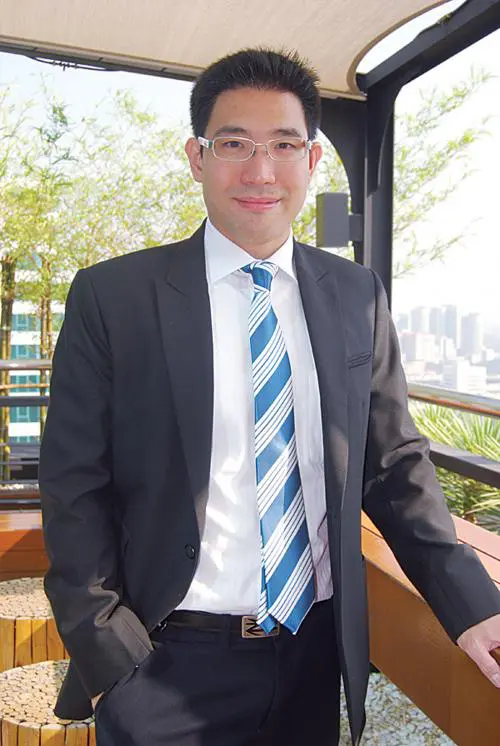
Piyasak Manason is vice president for research & planning at Kiatnakin Bank.
